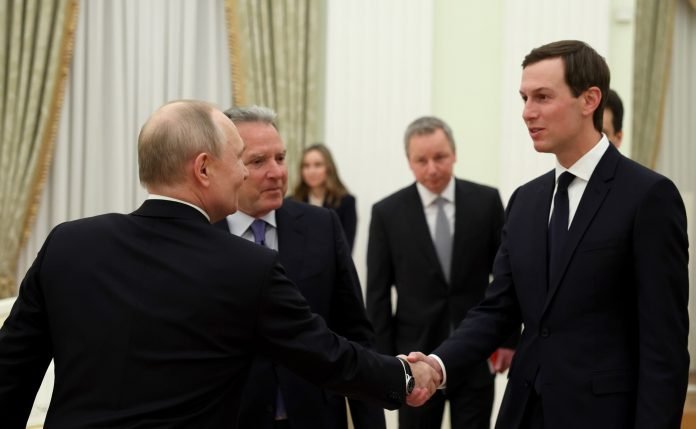
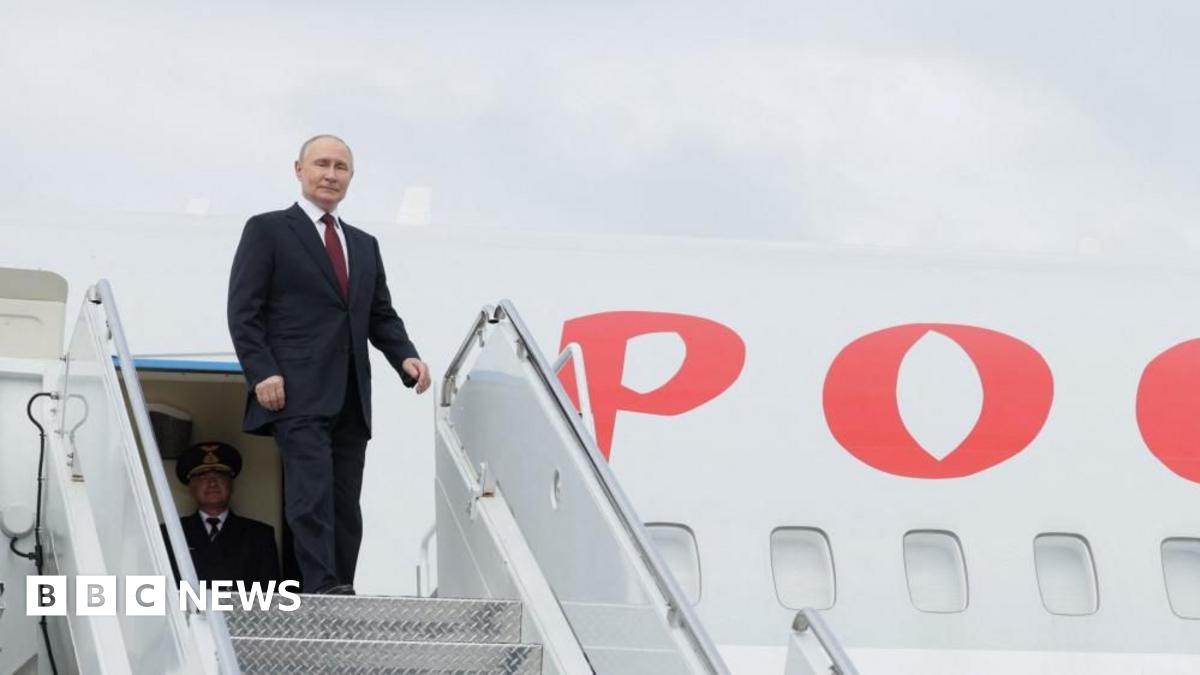
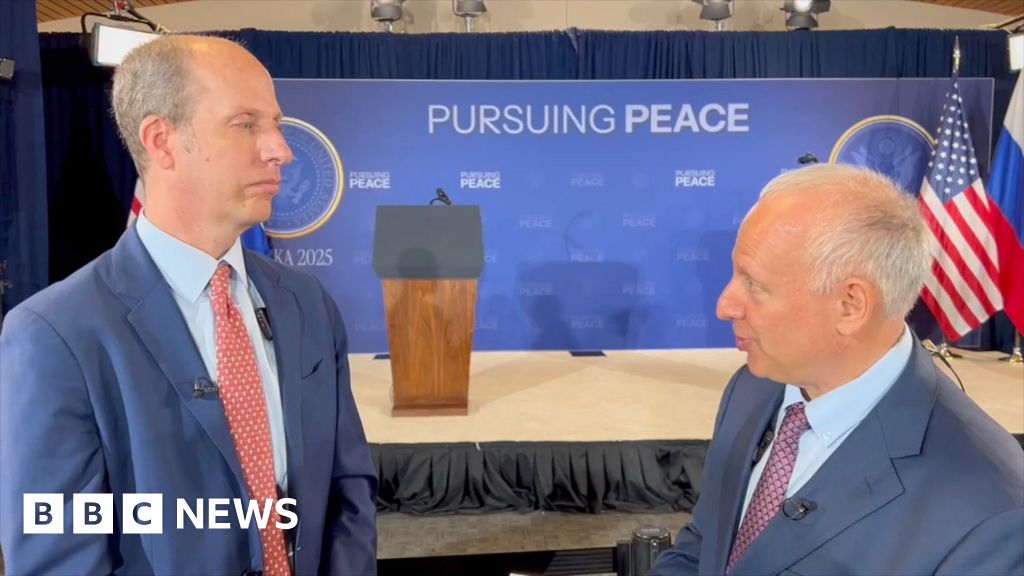
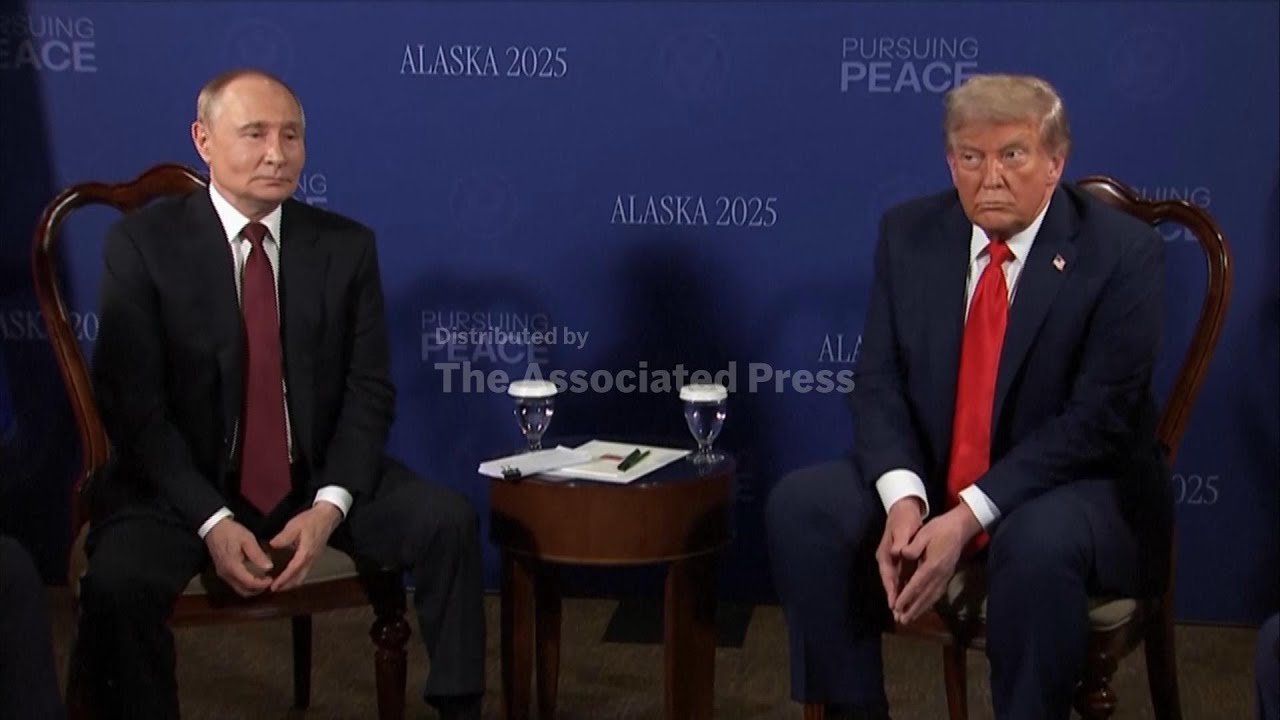
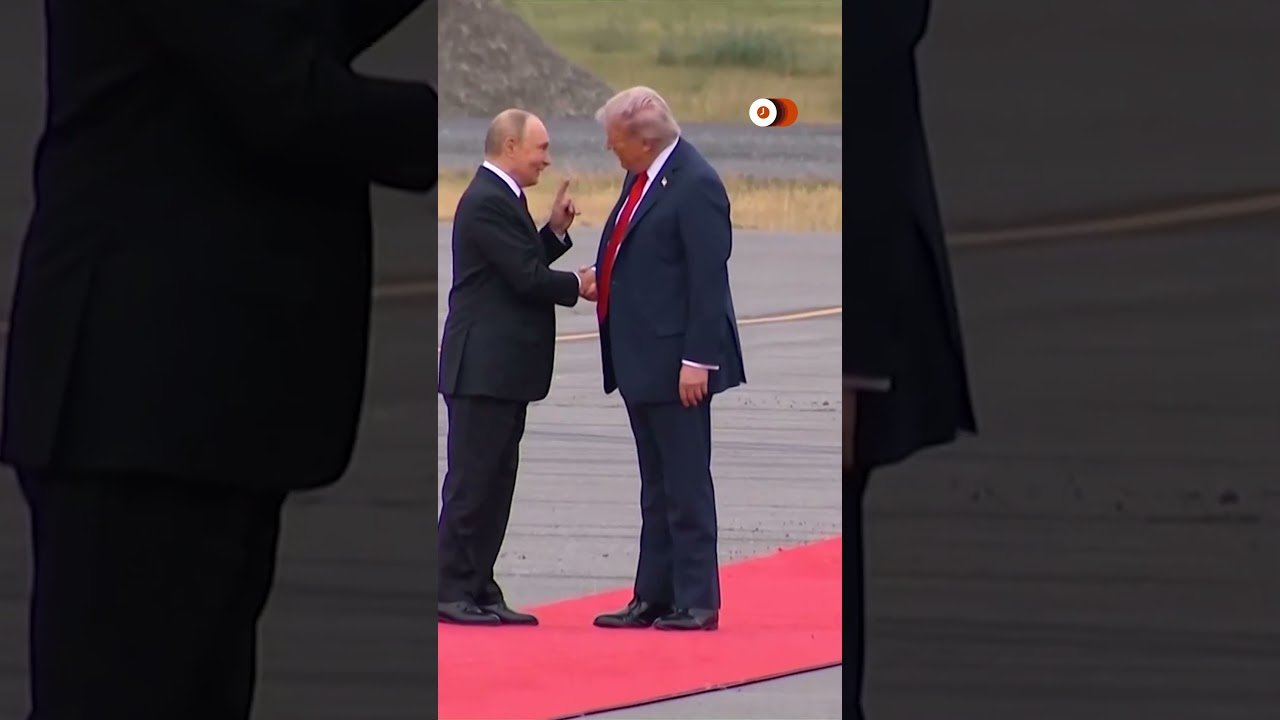
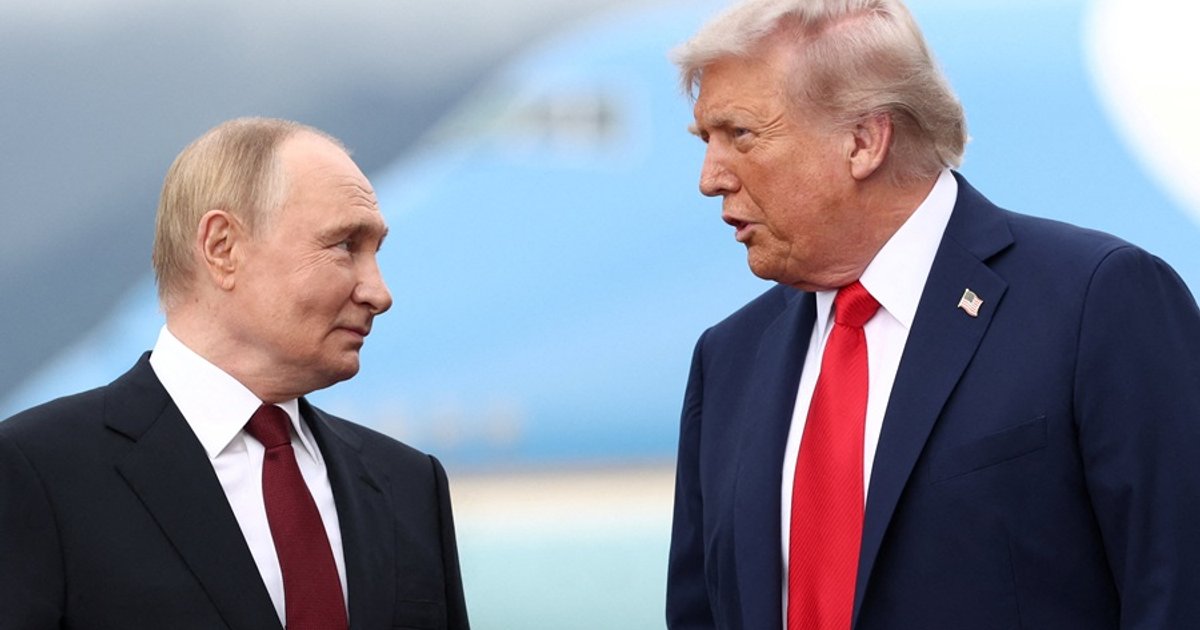
US President Donald Trump and Russian President Vladimir Putin met on 15 August 2025 at Joint Base Elmendorf-Richardson in Anchorage, Alaska, in their first face-to-face summit since Trump’s return to office, as efforts to end the war in Ukraine intensified.
The high-stakes meeting lasted roughly five hours but ended without a ceasefire agreement, despite expectations of a potential breakthrough.
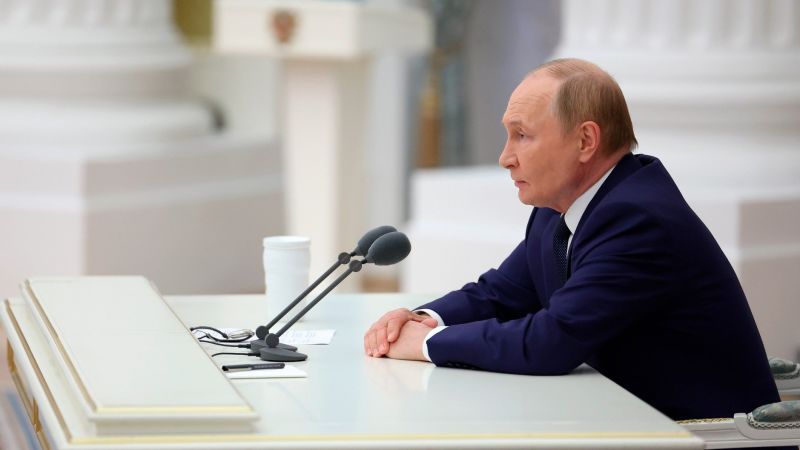
Trump pushed for an immediate ceasefire, while Putin insisted that any deal must address what he described as the “root causes” of the conflict, including demands related to Ukraine’s neutrality and recognition of Russian control over occupied territories.
Both leaders delivered brief statements after the talks but did not take questions, and a planned working lunch was cancelled. Trump said discussions had made “great progress” but acknowledged that no agreement had been reached, reiterating his preference for a comprehensive peace deal over a temporary ceasefire.
The choice of Alaska was framed symbolically, with Putin highlighting the proximity of US and Russian territory across the Bering Strait as a reflection of shared geography despite geopolitical tensions.
The “Anchorage formula”
Talks reportedly centred on a proposed framework informally referred to as the “Anchorage formula”, though details remained unclear and contested.
Putin was also said to have spent significant time outlining historical arguments related to Russia’s past presence in Alaska, which contributed to friction during private discussions.
Beyond Ukraine, both sides noted a modest increase in bilateral trade and expressed interest in potential cooperation in areas such as the Arctic and space.
Nuclear diplomacy returns
The summit also revived discussions around nuclear arms control ahead of the February 2026 expiration of the New START treaty.
Putin raised the possibility of a new agreement during the lead-up to the meeting, while Trump confirmed that both sides had discussed denuclearisation and the risks associated with their nuclear arsenals.
Trump reiterated that any future long-term deal should include China, though substantive negotiations on that front were seen as unlikely to progress until the Ukraine conflict is resolved.
International reactions
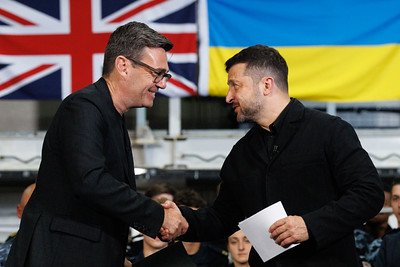
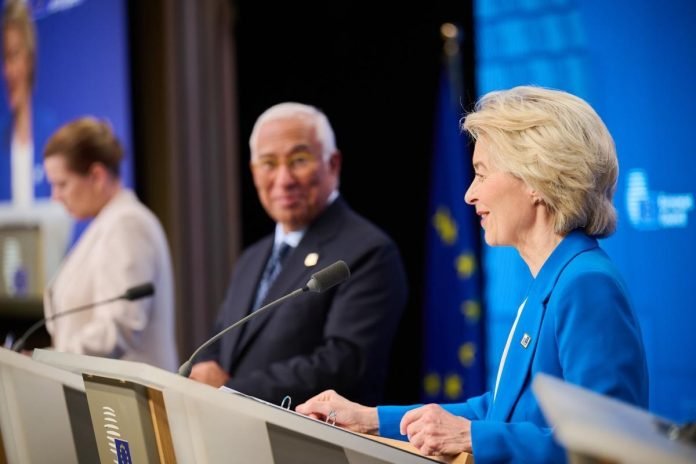
Ukraine’s President Volodymyr Zelenskyy criticised the summit, arguing it risked legitimising Russia without securing meaningful concessions.
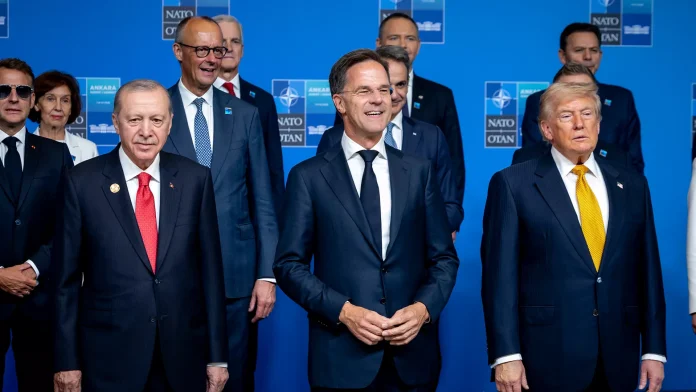
European and NATO allies also expressed concern about being sidelined from discussions, particularly on territorial issues, prompting follow-up engagement between US and Ukrainian officials.
It was determined by all that the best way to end the horrific war between Russia and Ukraine is to go directly to a peace agreement, which would end the war, and not a mere ceasefire agreement, which often times do not hold up.
President Trump wrote on Truth Social post-meeting


Read also:
Trump proposes Ukraine Peace Plan
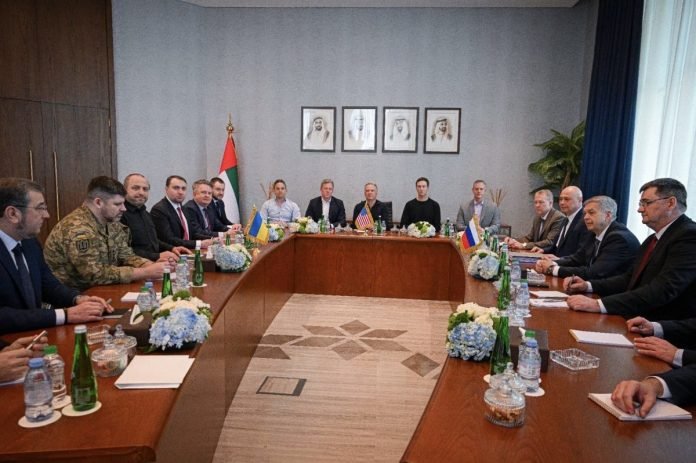
Ukraine-Russia-US Trilateral Summit