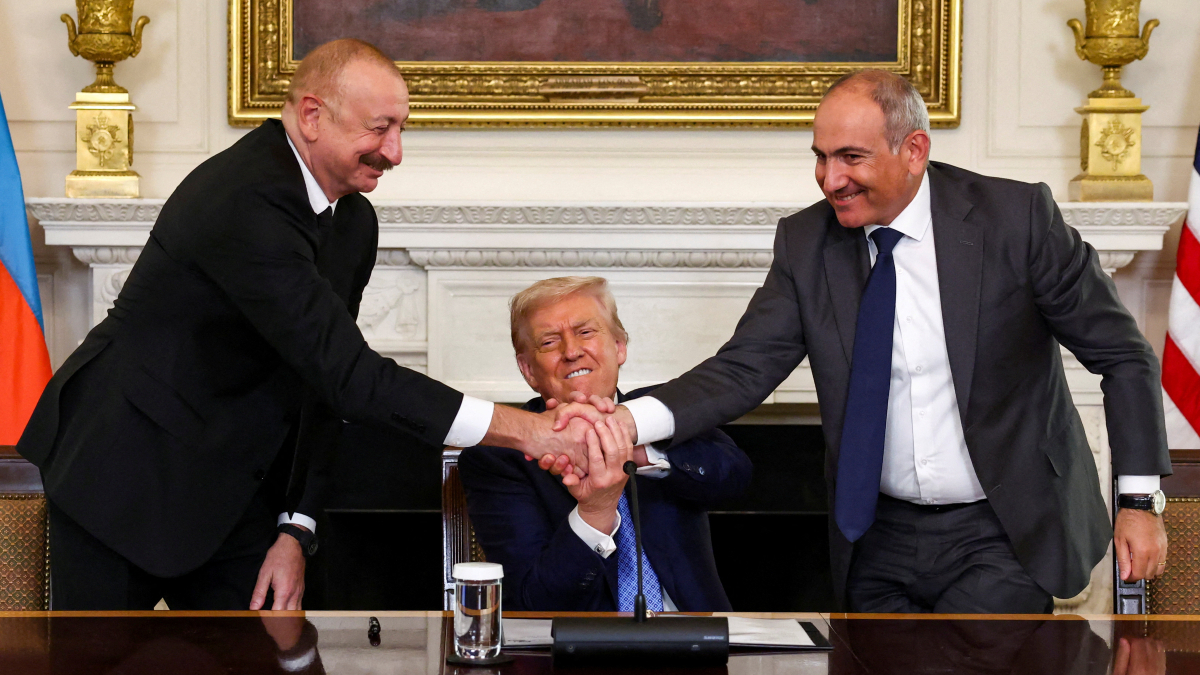
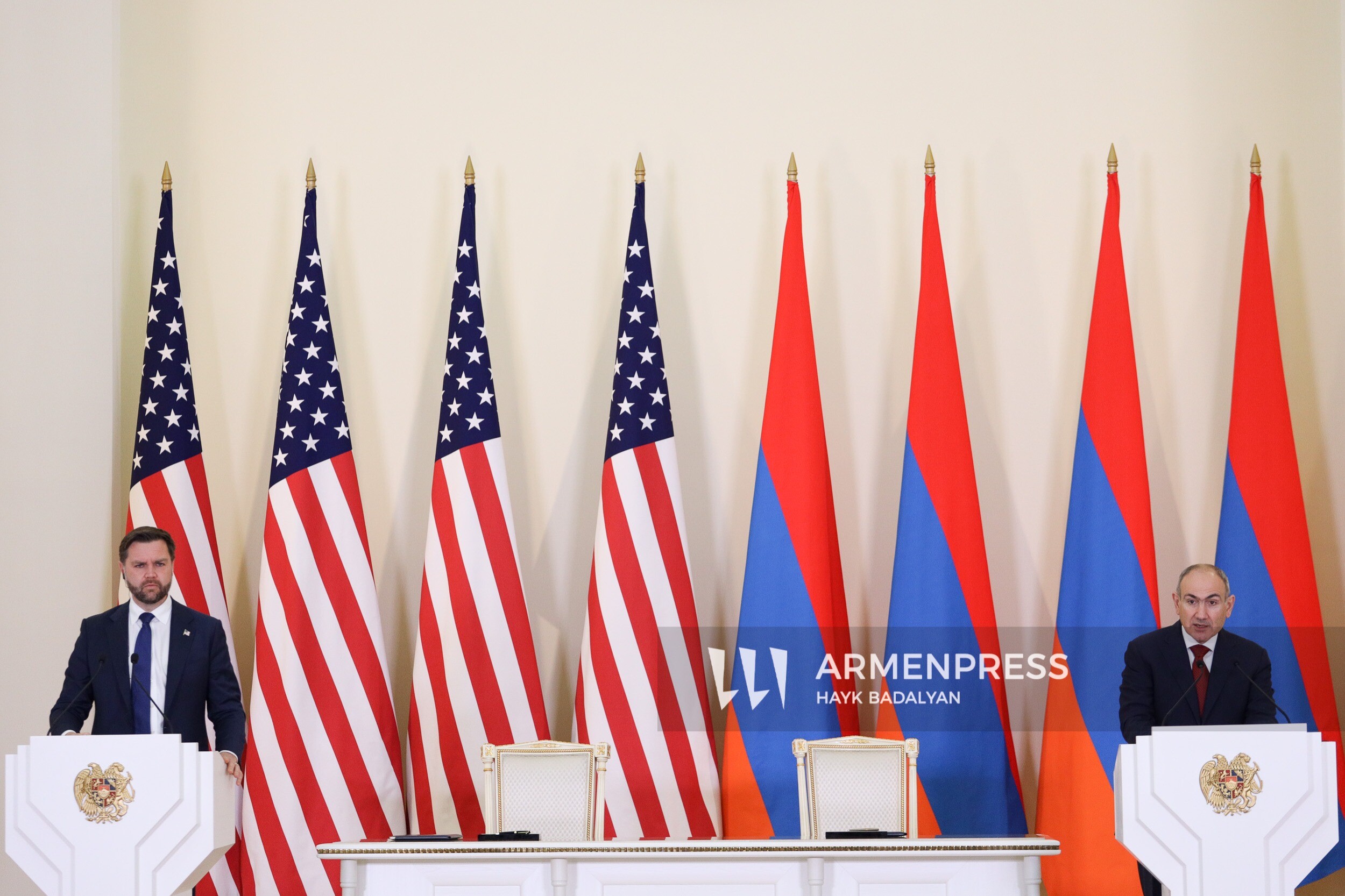
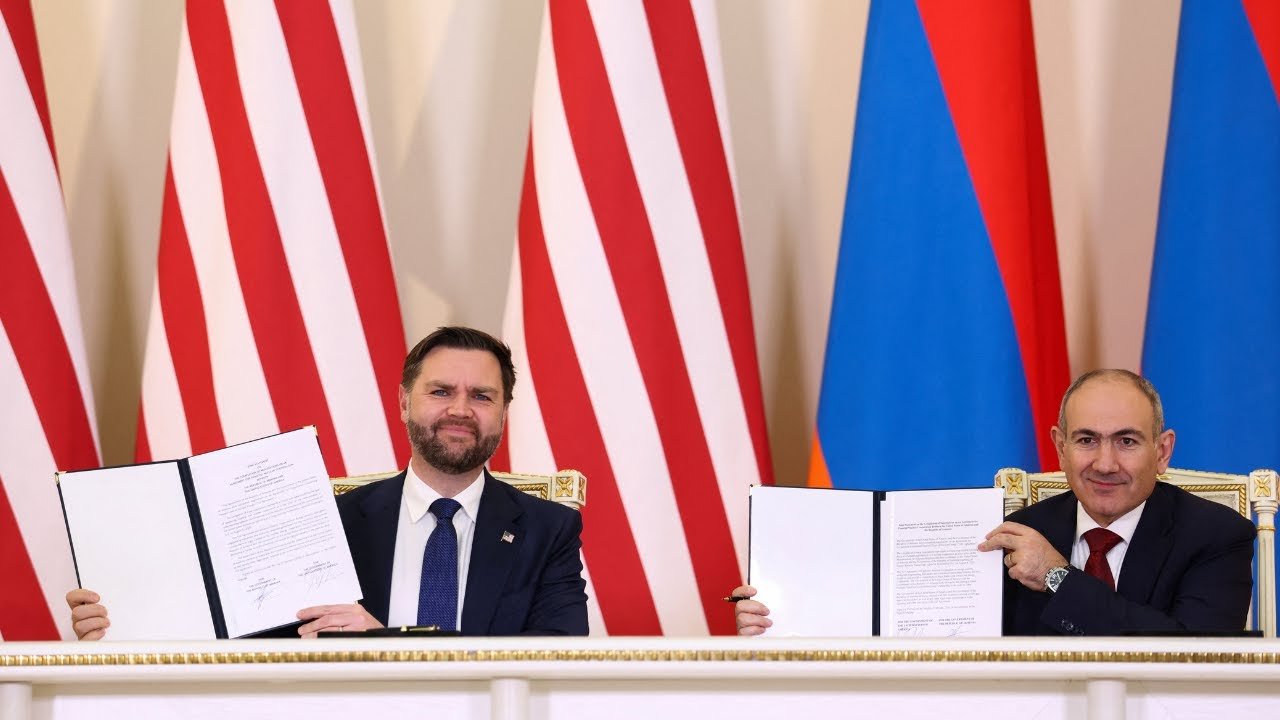
On February 9, 2026, US Vice President JD Vance signed a landmark nuclear cooperation agreement with Armenian Prime Minister Nikol Pashinyan during his two-day visit to the country. His visit marked the first time a sitting US President or Vice President has ever visited Armenia or Azerbaijan.
Under the agreement, the US pledges up to $9billion in potential US nuclear-related exports and services, which include $5 billion in initial exports for nuclear technology and equipment and $4 billion for long-term fuel supply and maintenance contracts.
As a “123 Agreement,” it provides the necessary legal authorization for the US to transfer nuclear technology, equipment, and fuel to Armenia while ensuring non-proliferation standards. The deal specifically paves the way for the deployment of American Small Modular Reactors (SMRs).
The trip was a high-stakes effort to finalize a US-brokered peace process and displace Russian influence in the South Caucasus. The US and Armenia finalized two major technological and security agreements that signal a fundamental shift in regional influence.
First-ever US military sale to Armenia
The US approved an $11 million sale of advanced military technology to Armenia, marking the first time the US has sold lethal or major defense equipment to the former Soviet state.
Armenia purchased V-BAT vertical takeoff and landing (VTOL) reconnaissance drones developed by the US firm Shield AI. The V-BAT (MQ-35A) is a “tail-sitter” drone that can launch from a 4×4 meter space without a runway. It uses Hivemind AI software to operate in GPS-denied or jammed environments. These drones have been combat-proven in Ukraine, where they were used to identify missile storage sites 100km behind enemy lines for HIMARS strikes.
Prime Minister Pashinyan called the deal a “green light” for future US-Armenia military-technical cooperation, shifting away from traditional reliance on Russian hardware.
The AI Supercomputer “Megaproject”
Alongside the defense deal, a massive expansion of Armenia’s AI infrastructure was announced, led by the US-based company Firebird. The project was scaled from an initial $500 million to a $4 billion “megaproject”.
The US government issued export licenses for 41,000 NVIDIA GB300 GPUs (Blackwell architecture), bringing the total cluster to 50,000 GPUs. This cluster will make Armenia home to one of the top five largest AI GPU clusters in the world.
Vice President Vance noted that Armenia is now part of an exclusive group of only six countries (including the UK, Japan, and Israel) authorized to access these specific high-end chips.
The data center will allocate 20% of its power to domestic Armenian companies and 80% to US-based firms operating in the region, effectively creating a “digital export of electricity”.
This “Data Diplomacy” is closely linked to the nuclear deal. The proposed US nuclear reactors are intended to provide the massive amounts of stable power required to run the Firebird AI data centers.
Strategic & Geopolitical Context
A primary goal is to help Armenia diversify its energy sector away from Russia’s Rosatom, which currently operates Armenia’s only nuclear facility, the aging Metsamor plant.
Vance described the deal as a “win-win” that would create high-tech jobs in the United States while securing Armenia’s energy future. This pledge is the largest single economic commitment in the history of US-Armenia relations.
The signing occurred during a broader diplomatic tour by Vance to advance the TRIPP (Trump Route for International Peace and Prosperity) corridor, a proposed transit route intended to foster peace between Armenia and Azerbaijan.
The corridor is designed to provide “unimpeded transit” between mainland Azerbaijan and its Nakhchivan exclave, eventually connecting to Turkey and the broader Middle Corridor. For the US, the project serves to integrate the South Caucasus into Western-aligned trade routes while actively reducing the regional influence of Russia and Iran.
The visit signaled a “shifting balance of power” as the US enters territory Russia considers its “near abroad”. Azerbaijan also began fuel deliveries to Armenia for the first time in decades as a confidence-building measure following the peace initiative.
What happens next?
Armenia has not yet made a final decision on which country will build its next reactor. While the US is now a leading contender, Armenia continues to review competing proposals from Russia, France, South Korea, and China. A final selection for the reactor model is expected in 2026 or 2027.
Read also: