The initial wave of attacks on February 28 killed Iran’s Supreme Leader Ayatollah Ali Khamenei along with several top military commanders from the Islamic Revolutionary Guard Corps.
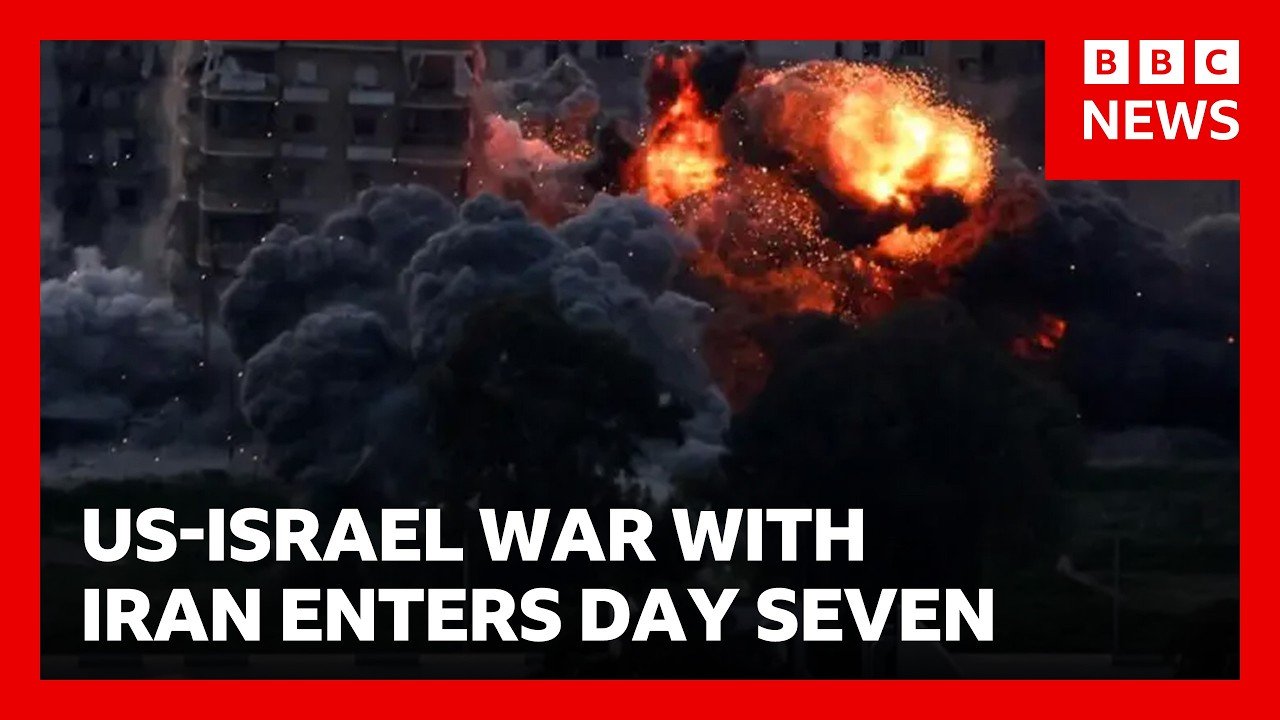
The Israel Defense Forces reported striking over 300 targets over the weekend of March 7 and 8, focusing on missile storage, drone launch sites and command centers.
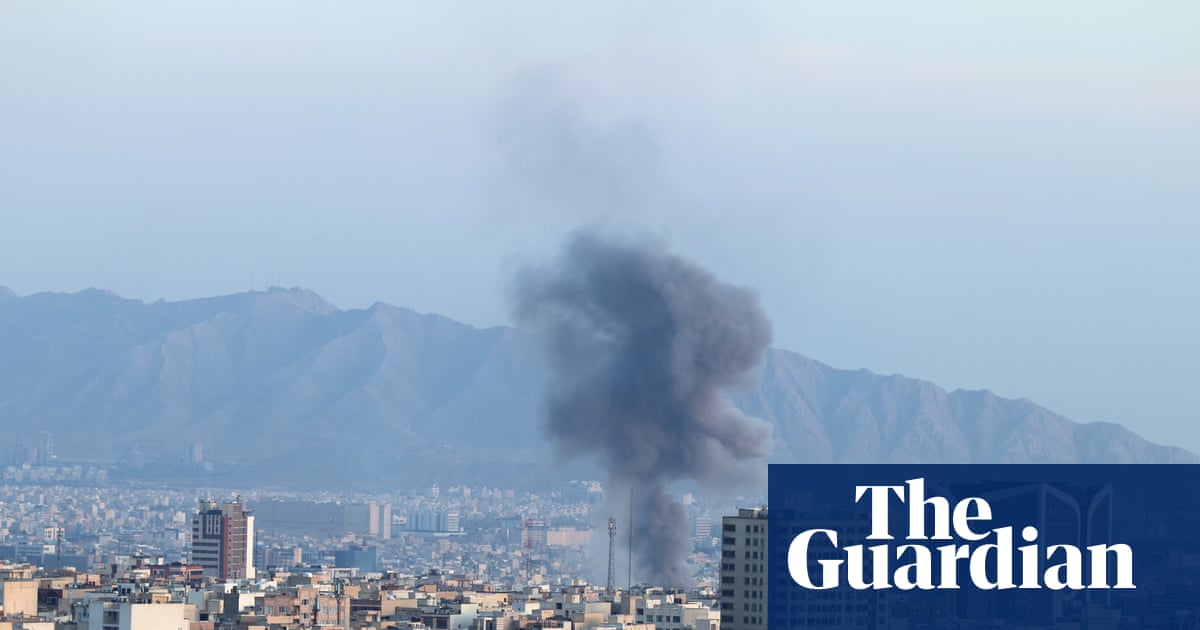
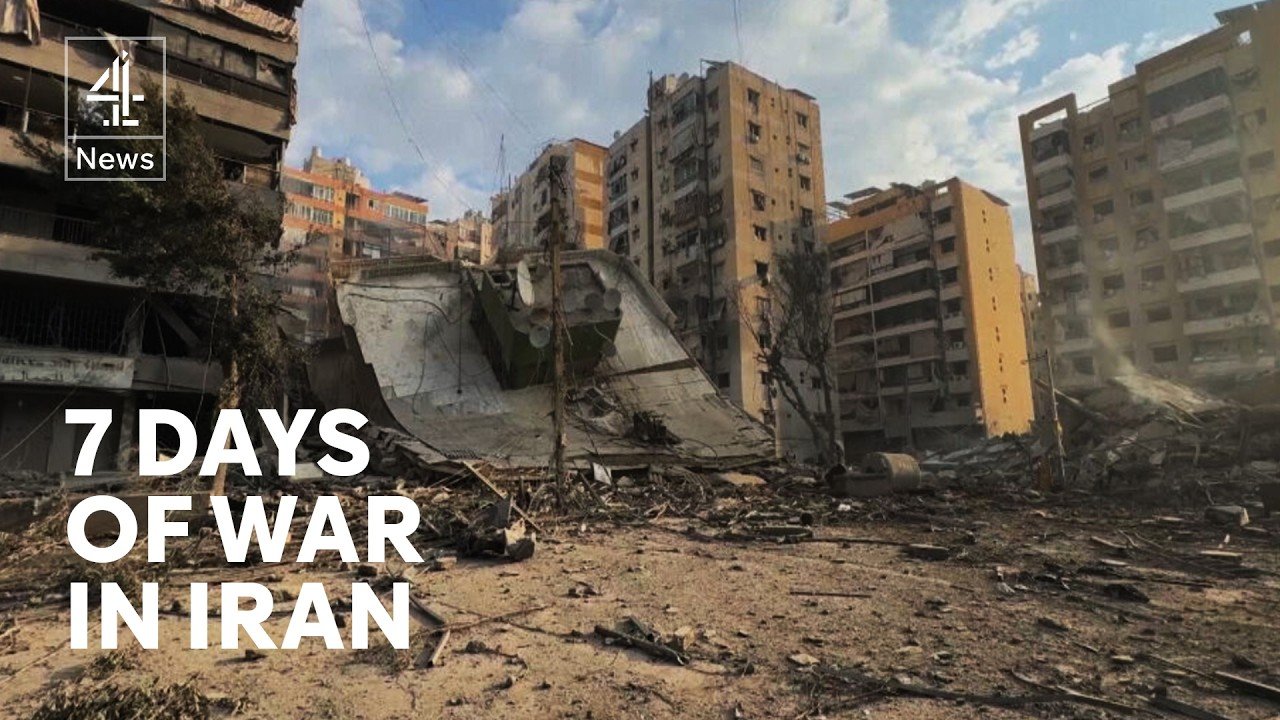
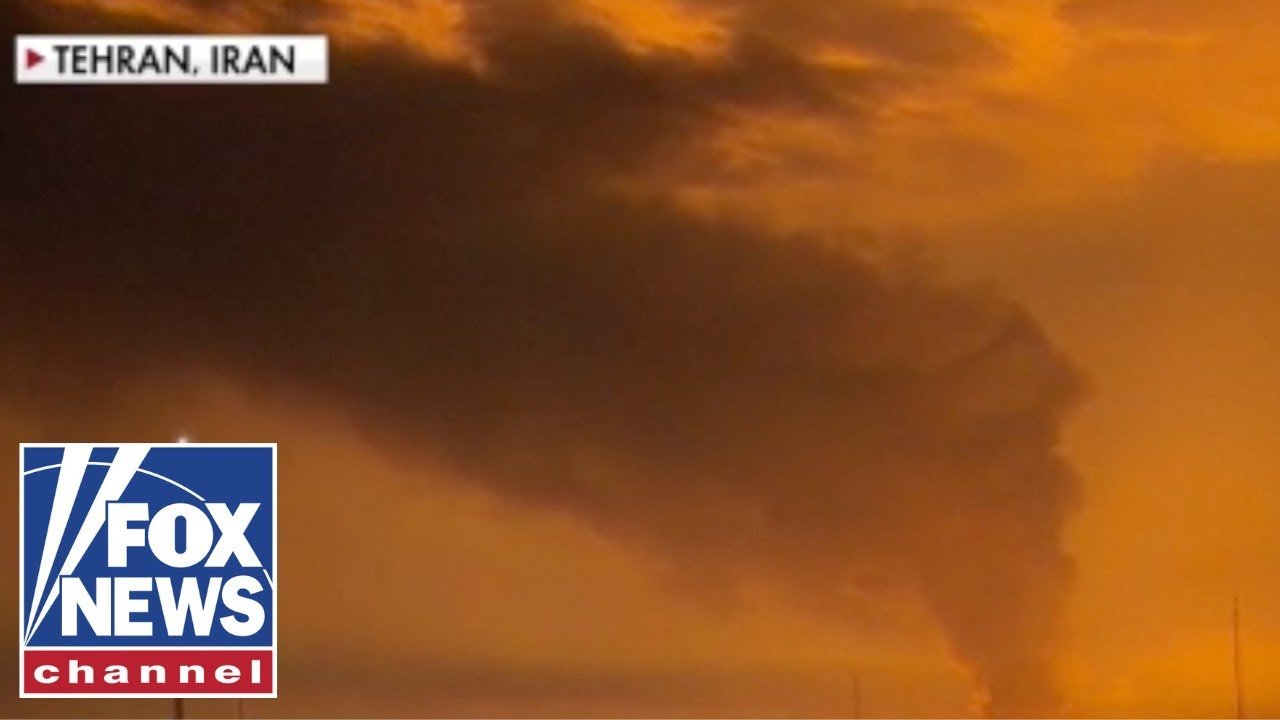
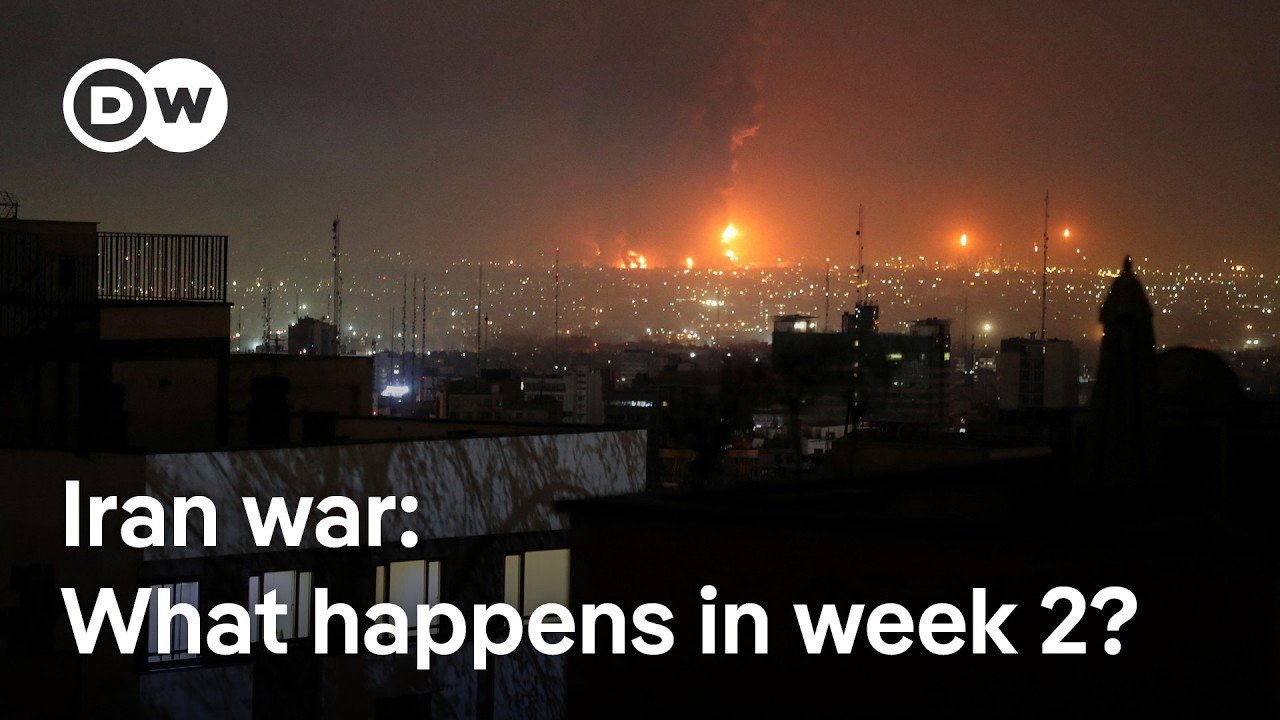
Israeli strikes have expanded beyond military sites to include Iran’s energy infrastructure. On March 8, Israeli jets hit multiple oil storage facilities and refineries in Tehran and Alborz, causing massive fires and thick smoke over the capital. This marks the first time Israel has targeted civilian industrial facilities in Iran.
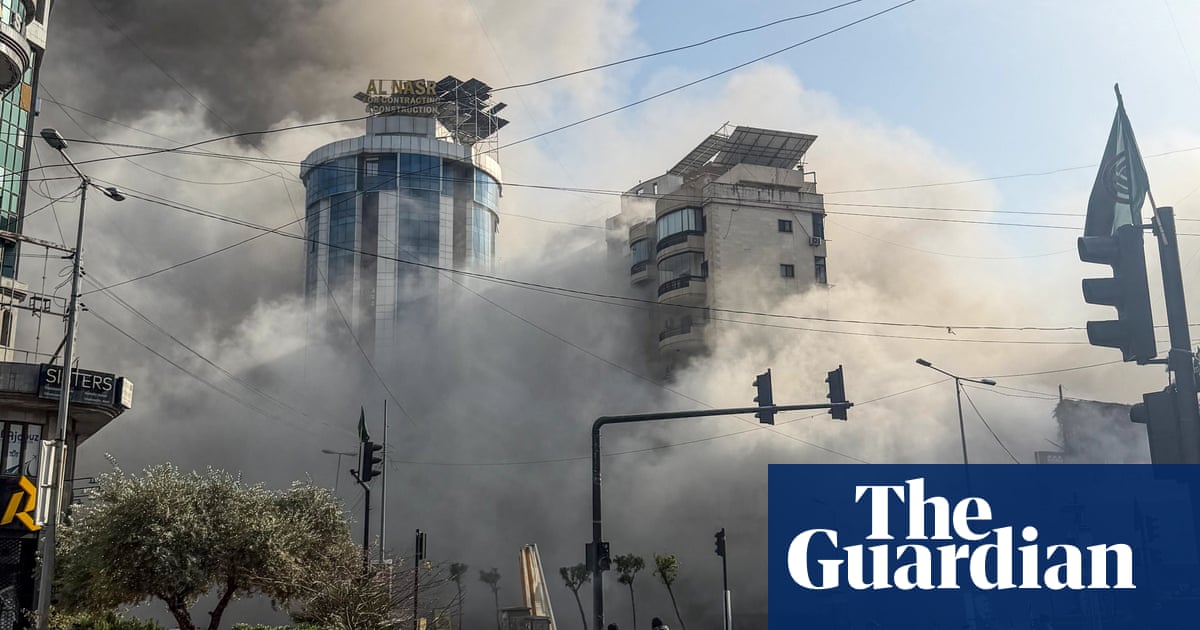
Israel has simultaneously intensified strikes in Lebanon, targeting IRGC commanders and Hezbollah infrastructure in Beirut and southern Lebanon.
Strikes across Iran’s leadership and military infrastructure
The campaign has hit hundreds of targets across at least 26 provinces in Tehran and central Iran, focusing on decapitating leadership and dismantling military infrastructure.
The Pasteur Street district, housing the Supreme Leader’s residence, the Presidential Office and the National Security Council, was struck on Day 1, killing Ayatollah Ali Khamenei and top IRGC commanders.
Strikes leveled the Assembly of Experts building, the Expediency Council and the IRIB state media headquarters. On March 8, major strikes hit the Tehran refinery, the Aghdasieh oil warehouse and depots in Shahran and Karaj. Mehrabad Airport was destroyed to prevent officials from fleeing.
The Natanz Nuclear Facility was hit on March 2, damaging at least three entrance buildings. A “secret” site called Min Zadai in Tehran was also targeted. Over 300 ballistic missile launchers have been destroyed. Major strikes hit bases in Kermanshah, Tabriz, Qom, Khorramabad, Isfahan and Yazd.
The Esfahan Optics Industry and the Malek Ashtar University Aerospace Complex in Tehran were targeted to degrade drone and missile production.
Strikes at Bandar Abbas, Jask Port and Bushehr have neutralized much of Iran’s naval capability. The US and Israel reported sinking 17 Iranian warships, including the frigate IRIS Dena.
Regional operations against Iran’s “Axis of Resistance”
Israel has expanded operations to counter Iran’s “Axis of Resistance” and retaliatory threats.
In Lebanon, over 250 strikes have hit Beirut’s Dahiyeh suburb, southern Lebanon and the Beqaa Valley, targeting Hezbollah’s Unit 127, weapons depots and intelligence headquarters.
High-ranking officials killed include Hussein Makled of Hezbollah intelligence and Daoud Alizadeh of the Quds Force Lebanon branch. Israel has launched “forward defense maneuvers” and limited ground incursions south of the Litani River.
Israeli forces also left 41 civilians and 3 Lebanese soldiers dead in an operation to find the remains of IDF pilot Ron Arad in eastern Lebanon. Arad, an Israeli Air Force weapon systems officer, has been missing since 1986 when his F-4 Phantom II went down during a mission over southern Lebanon. While his pilot was rescued, Arad was captured by the Lebanese Amal militia and is believed to have later been handed over to Hezbollah or Iranian forces.
In Iraq and Syria, limited strikes have targeted Popular Mobilization Forces and other Iran-backed brigades in areas like Jurf al-Sakhar and Erbil.
Strikes hit Law Enforcement Command headquarters in Kurdish-majority areas like Sanandaj and Marivan to support potential internal uprisings.
In Cyprus, after Iranian drones hit the UK’s RAF Akrotiri base, Israel and allies increased defensive coordination in the Eastern Mediterranean.
Non-kinetic actions and internet blackout
Coordinated attacks caused a near-total internet blackout in Iran, with connectivity dropping to 1 to 4 percent.
Hacked prayer apps including BadeSaba were used to send push notifications urging Iranian military personnel to defect.
Mixed international diplomatic response
The global reaction has been polarized, with Western allies largely supporting the strikes and other nations condemning them as violations of international law.
The UN Security Council met in emergency sessions but remained deeply divided, with no resolution or vote passed as of early March.
UN Secretary-General António Guterres condemned the “military escalation” and “unlawful attacks” by all sides, stating they squandered diplomatic opportunities and undermined international security.
UN Human Rights Experts have formally condemned the strikes as violations of the UN Charter and the right to life.
The United States defended the operation as a “necessity” to eliminate an existential threat to core national security interests.
UK Prime Minister Keir Starmer condemned Iranian counter-strikes and called for a return to diplomacy, while Opposition Leader Kemi Badenoch expressed full support for the US and Israel.
Canada and Australia have both expressed open support for the joint US-Israeli strikes.
Russia and China have denounced the strikes as “unprovoked acts of armed aggression” and a “blatant killing of a sovereign leader.”
The European Union has condemned Iranian retaliatory strikes on Gulf states and called for maximum restraint and respect for international law.
The Gulf Cooperation Council and individual nations like Qatar and Oman issued some of their strongest condemnations in history, calling the strikes “reckless and irresponsible.”
Israel outlines next phase of campaign
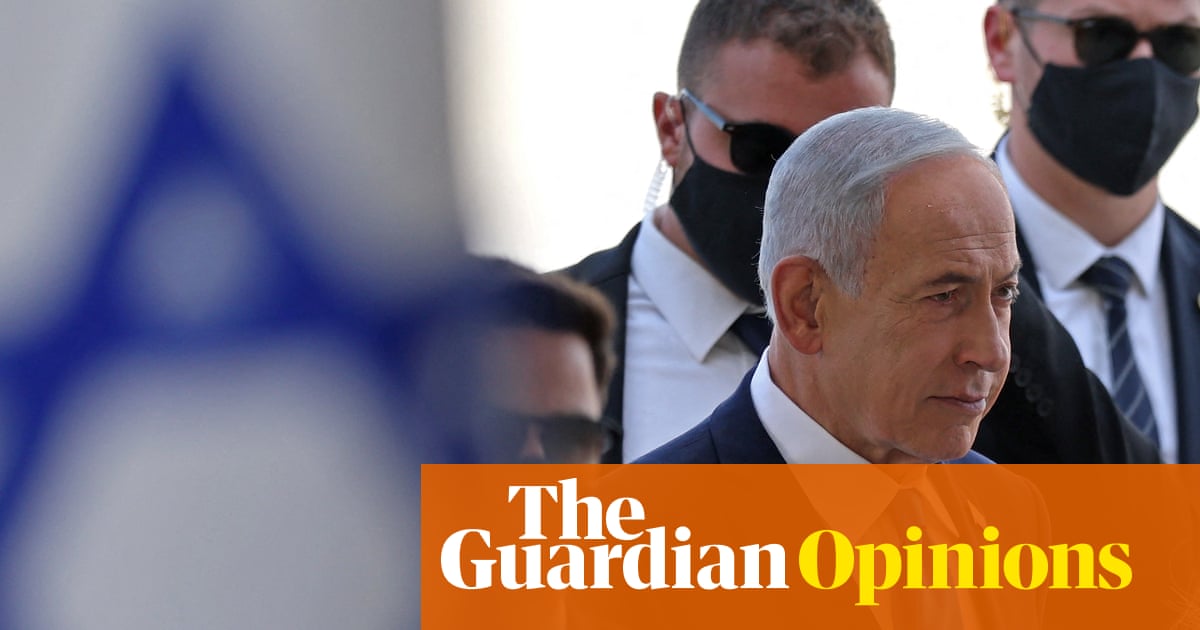
On March 8, Prime Minister Benjamin Netanyahu stated that Israel has “many more targets and surprises prepared” aimed at further undermining the Iranian regime.
IDF Chief of Staff Eyal Zamir announced on March 5 the transition to a “next phase” of the campaign. He confirmed that while the initial surprise strikes secured air superiority, Israel has “additional surprising moves” that he does not intend to reveal yet.
The military’s focus has shifted from initial decapitation strikes to “systematically dismantling” Iran’s missile production capability and the “foundations of the regime.”
Israel targeted civilian industrial facilities for the first time on March 7 and 8, , striking major oil storage and fuel depots in and around Tehran. The IDF issued a direct threat to the Assembly of Experts, warning that any attempts to convene in Qom to elect a successor to the late Ali Khamenei would be met with further targeted assassinations.
Netanyahu’s “surprises” also extend to Lebanon, where Israel has renewed its assault to prevent IRGC and Hezbollah elements from regrouping.
Read also:
Iran War enters ‘most intense’ phase after Trump’s comments on near completion
Iran appoints Mojtaba Khamenei as Supreme Leader