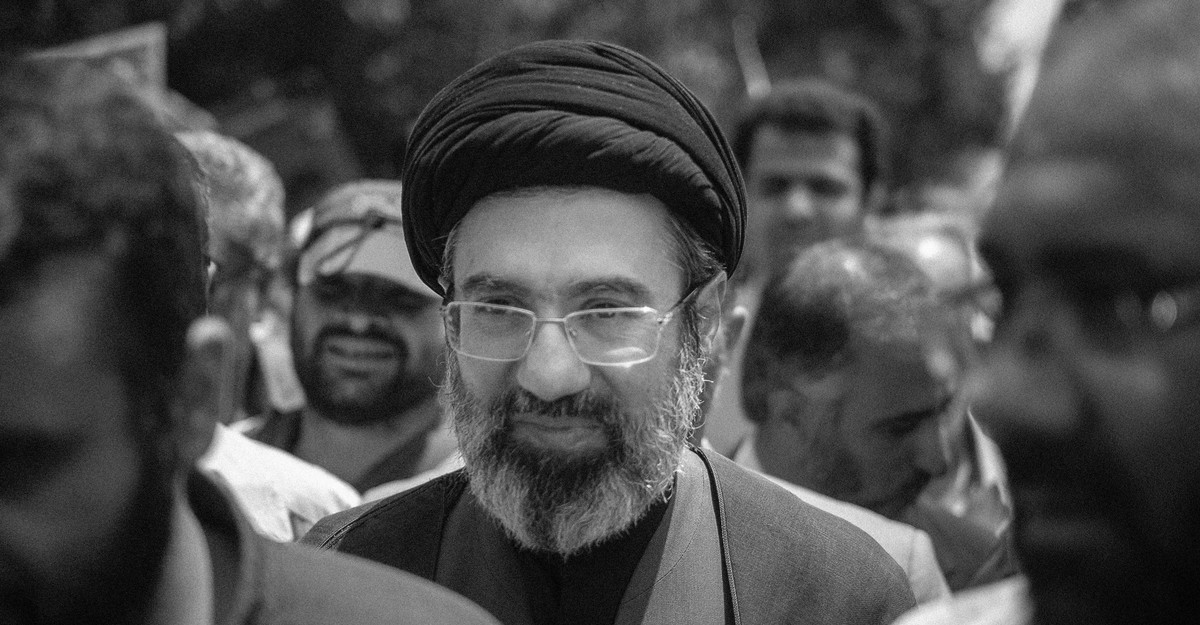
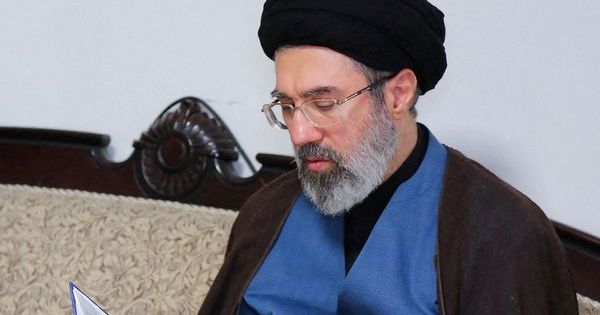
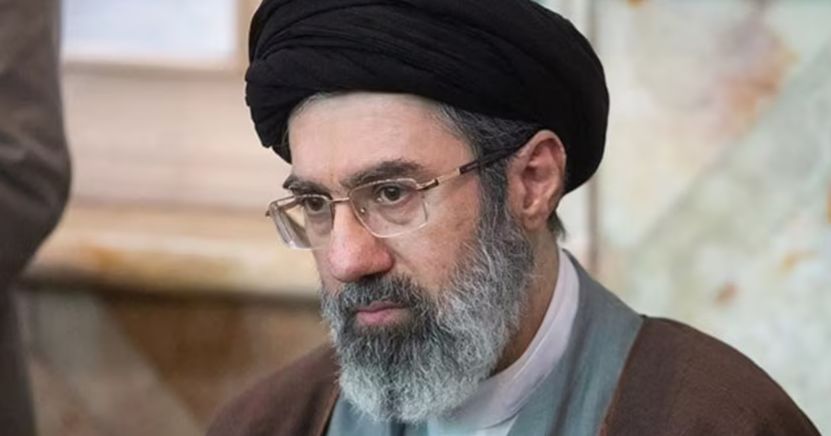
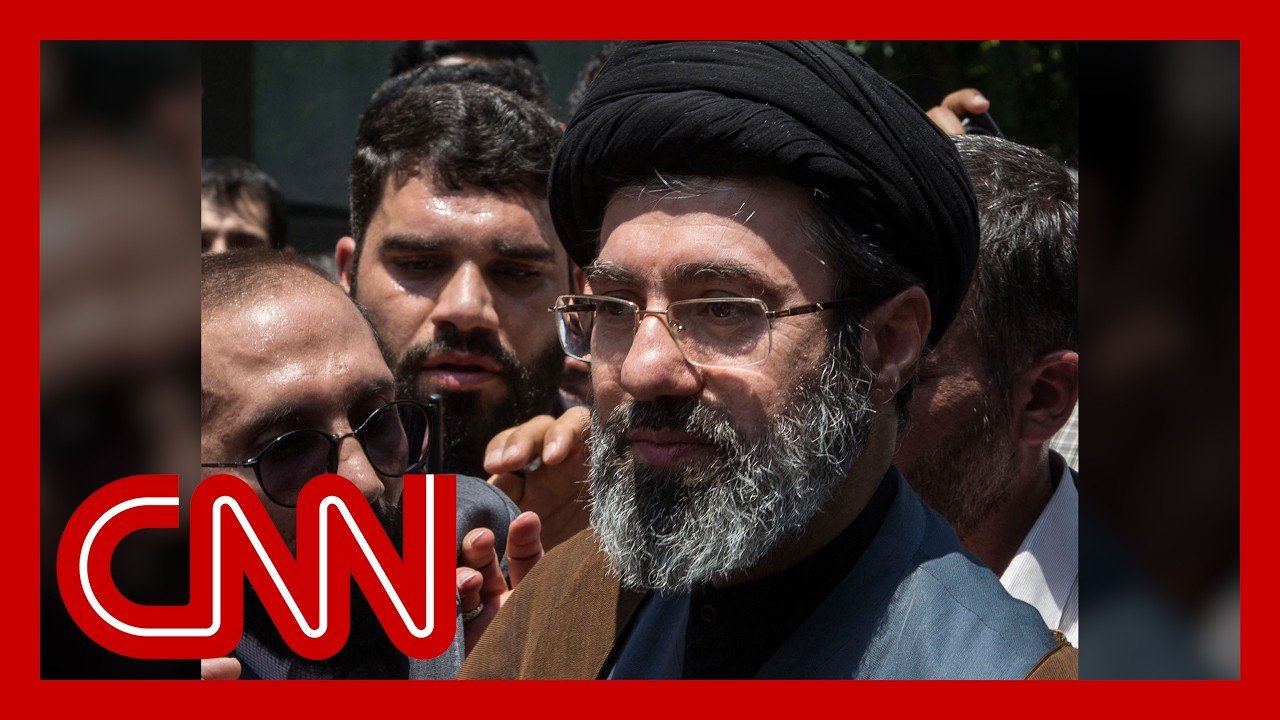
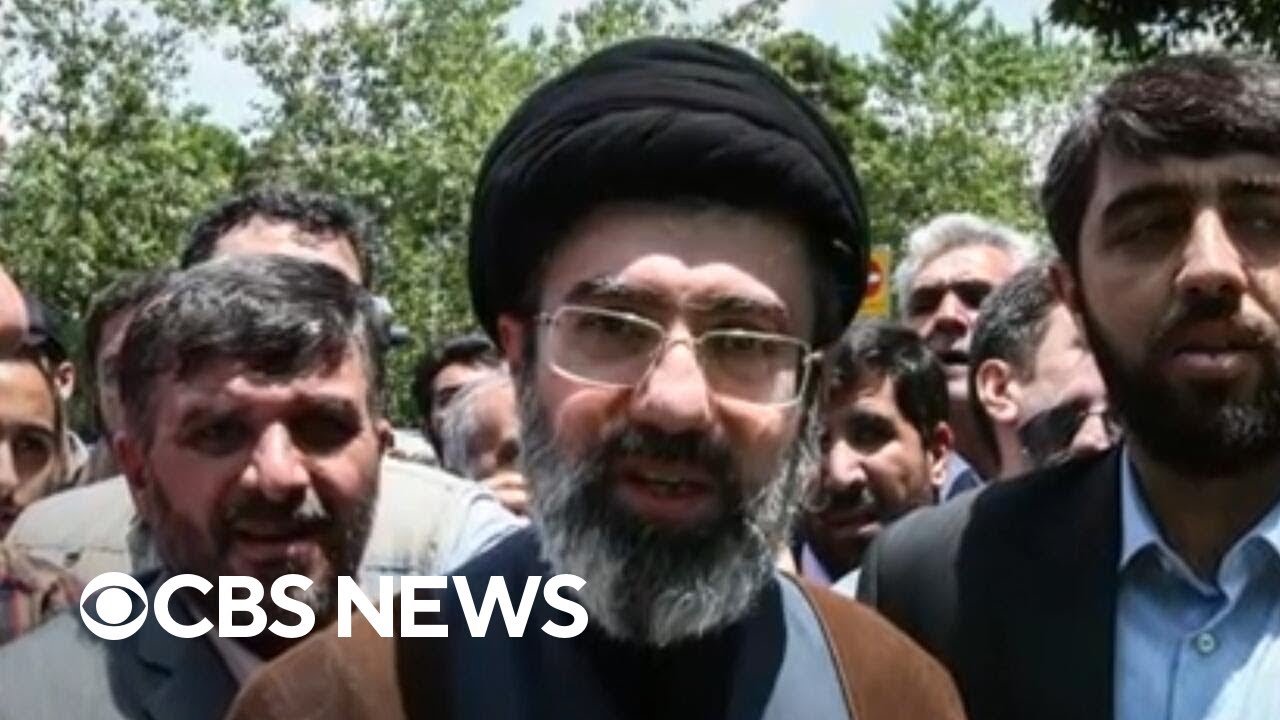
On March 8, Iranian state-run media confirmed that the Assembly of Experts has selected Mojtaba Khamenei, the second son of Iran’s slain supreme leader Ayatollah Ali Khamenei, as the third leader of the Islamic Republic.
An Interim Leadership Council, including President Masoud Pezeshkian and Chief Justice Gholam-Hossein Mohseni-Eje’i, managed state duties during the eight-day vacancy following Ali Khamenei’s death.
The 88-member Assembly of Experts selected Mojtaba in an extraordinary session, reportedly after intense pressure from the Islamic Revolutionary Guard Corps to ensure a rapid transition during the ongoing conflict.
Analysts describe Mojtaba Khamenei as a “shadow power” and a hardliner who is even more radical than his father, particularly regarding Iran’s nuclear program and regional confrontation. He is closely aligned with the IRGC and previously oversaw the Basij paramilitary militia.
Establishment backing and public backlash
President Masoud Pezeshkian hailed the appointment as the start of a “new era of dignity and strength,” while the IRGC immediately pledged allegiance. Hezbollah, the Iran-backed Lebanese militant group, posted a portrait of Mojtaba Khamenei on Telegram, calling him the “leader of the blessed Islamic revolution.”
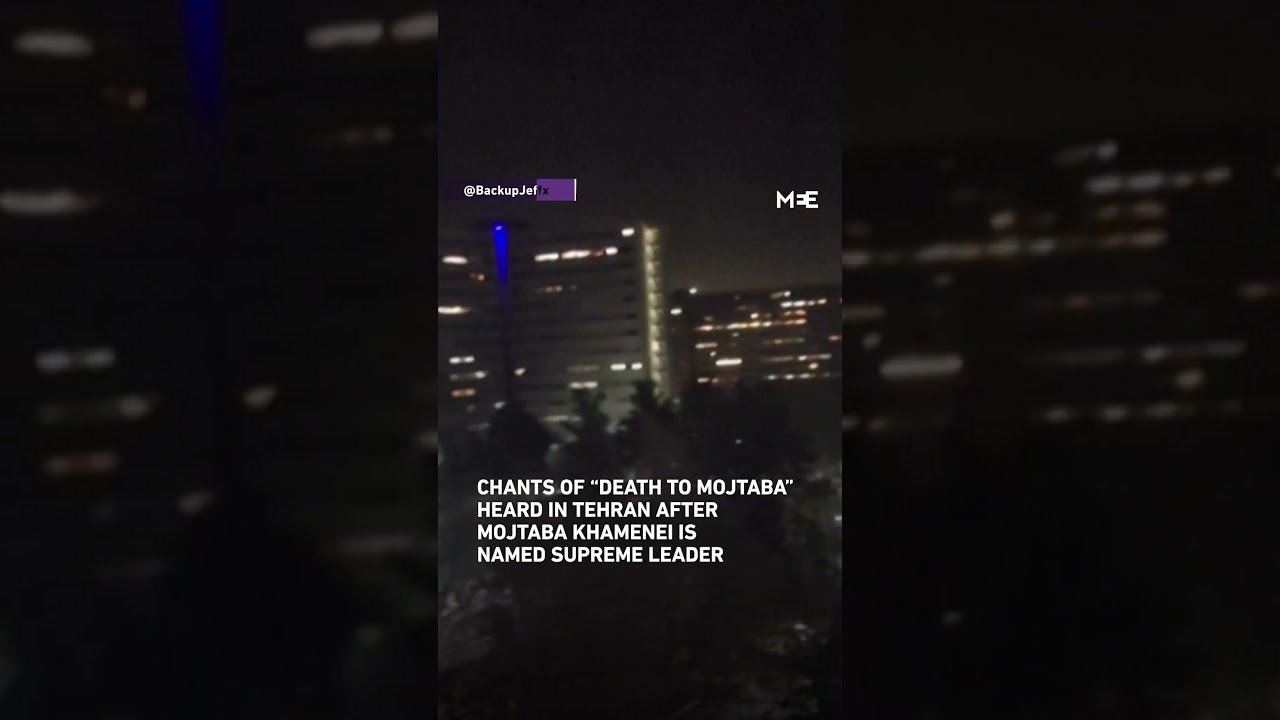
Anti-government protests have reignited in several cities, including Tehran and Qom, with demonstrators chanting “Death to Mojtaba.” Many Iranians view the transition as a move toward a hereditary “clerical monarchy,” which they say betrays the anti-monarchist roots of the 1979 Revolution.
Reports indicate that at least eight members of the Assembly of Experts boycotted the emergency session in protest of “heavy pressure” from the IRGC to confirm Mojtaba.
Regional and global reactions
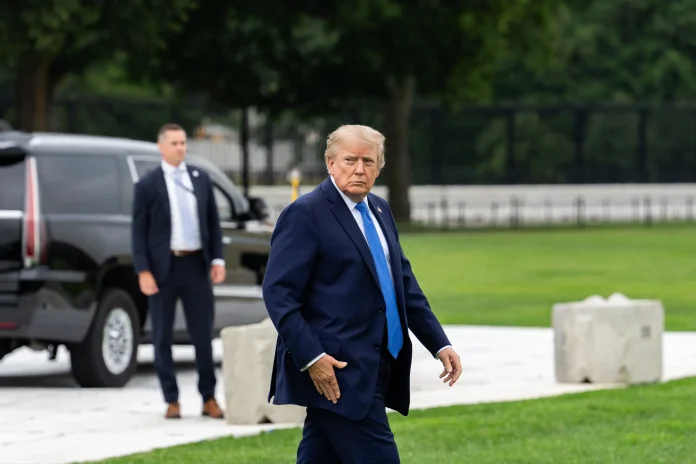
US President Donald Trump stated the appointment must have “Washington’s approval” to be legitimate and warned the new leader would not “last long” otherwise.
Israel Defense Minister Israel Katz designated Mojtaba an “unequivocal target for elimination” as Israel continues its military campaign.
Saudi Arabia warned that Iran would be the “biggest loser” if it continues retaliatory strikes against Gulf infrastructure. Bahrain, Qatar and Kuwait also condemned recent drone attacks on their territories.
Immediate escalation after appointment
Immediately following news of the appointment, the conflict between Iran and the US-Israeli coalition escalated with a new wave of direct military strikes.
Hours after his appointment, Iran launched its first wave of missiles toward Israel under the new leadership. Iranian forces and proxies targeted US and allied infrastructure across the Gulf.
In Bahrain, a drone strike hit the Sitra desalination plant and an oil refinery, injuring at least 32 people. In Saudi Arabia, projectiles struck a residential building in Kharj, killing two people. In Iraq, drone and rocket attacks targeted a US diplomatic facility near Baghdad and a military base near Erbil.
Israeli and US counter-strikes intensify
The Israeli military announced a “new wave” of strikes on March 9, specifically targeting the core foundations of the Iranian government in central Iran.
Attacks focused on IRGC command centers in Isfahan, a rocket engine production facility and long-range ballistic missile launch sites.
Israeli jets bombarded oil storage depots and refining facilities in Tehran, including the Kuhak and Shahran areas, and Karaj, causing massive fires and toxic smoke clouds over the capital.
Khamenei reportedly injured in airstrikes
Mojtaba Khamenei was reportedly injured during a series of US and Israeli airstrikes that occurred on February 28.
Government officials and state media have confirmed he was injured but describe him as “safe and sound.” State television has referred to him as a “wounded veteran” of the current conflict.
Multiple sources, including The New York Times and Israeli intelligence, report significant injuries to his legs. Some reports specify a fractured foot, a bruised left eye and minor facial lacerations. He has not made a public appearance since his appointment on March 8.
Read also:
Iran’s President apologizes to Gulf states, but rules out ‘unconditional surrender’
Trump asks Iran for ‘unconditional surrender’ and say in appointing its leader
Iran forms transition government with three-member interim council