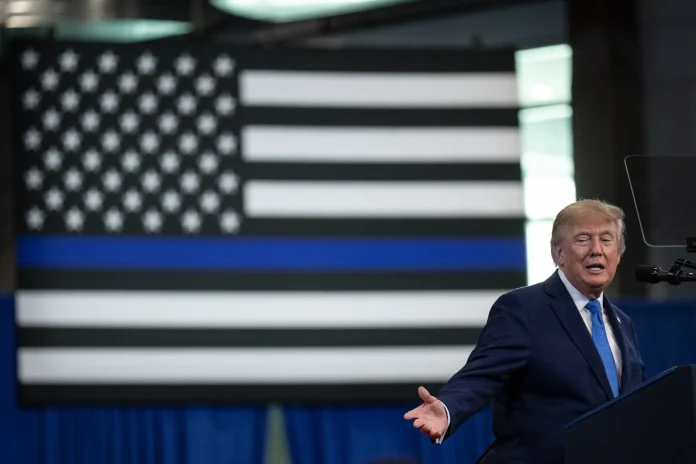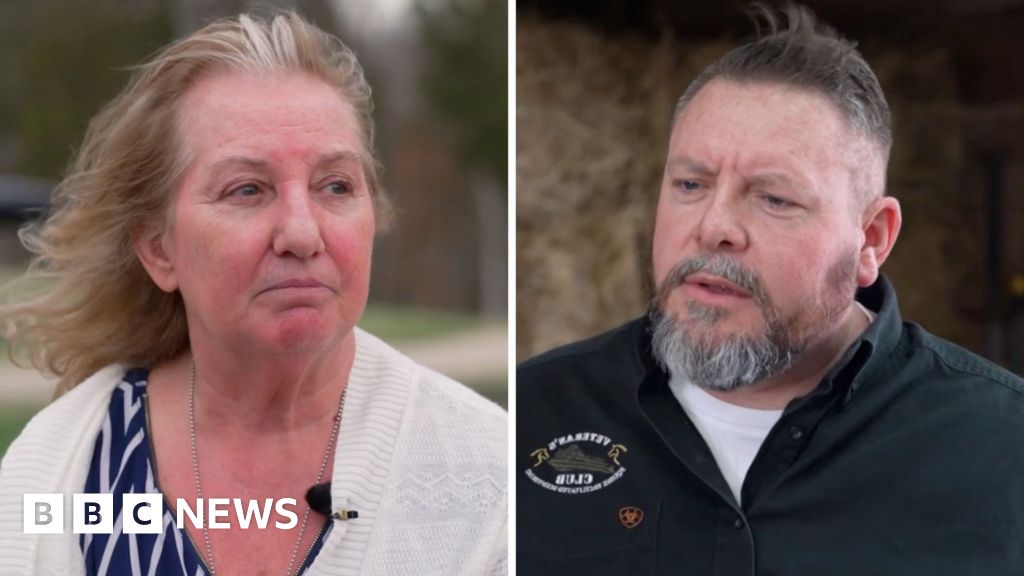
US President Donald Trump told the media on March 9 that the war would end soon, stating there is “practically nothing left to target”.
He claimed Iran has “no navy, no communications, they’ve got no air force”. Trump suggested the conflict would end “very soon,” though he clarified it would not be finished within the current week.
While calling the war “complete”, he noted the United States had intentionally “left some of the most important targets for later,” such as electricity production, to maintain leverage.
US Defense Secretary Pete Hegseth described March 10 and 11 as the “most intense” days of strikes to date, aimed at dismantling Iran’s missile production and nuclear infrastructure.
Iran launches “heaviest operation” across the Gulf
Iran has launched its “most intense and heavy operation” since the war began, expanding its “revenge” to include all six Gulf Cooperation Council nations. Strikes hit military bases and civilian hubs in Kuwait, Qatar, Bahrain and Saudi Arabia for their perceived support of the United States.
Iran is targeting US assets in Kuwait and Qatar, as well as military and energy sites in Israel, including Haifa, and the eastern region of Saudi Arabia.
On March 11, Iran launched a coordinated three-hour operation targeting major Israeli cities, including Tel Aviv, Haifa and West Jerusalem.
The campaign is increasingly targeting critical infrastructure to destabilize the global economy. Recent strikes hit the Ruwais refinery in the UAE and oil tankers near the Iraqi port of al-Faw.
New wave of strikes on Tehran
Israeli and US strikes on Tehran have intensified, targeting the capital’s military, leadership and security infrastructure to weaken the regime’s internal control.
On March 11, massive waves of air attacks targeted leadership sites, including a bunker strike in a central residential district that reportedly eliminated several senior regime figures.
Recent strikes hit the IRGC Quds Force Headquarters for the second time in a week. Other targeted facilities include an IRGC weapons research and development center.
Strikes have repeatedly hit Basij centers and police stations to degrade the regime’s ability to manage internal social control. Forces targeted the Sahab Pardaz Company, a firm sanctioned for providing surveillance and internet censorship tools to the Iranian government.
Mehrabad International Airport remains under heavy bombardment to prevent leadership from fleeing. Israeli strikes reportedly destroyed the Islamic Republic of Iran Broadcasting headquarters.
The Iranian Red Crescent has reported strikes hitting residential buildings, including one near Resalat Square where at least six people were killed.
US officials are investigating a Tomahawk missile strike on a girls’ school in Minab that killed over 170 people, which they have preliminarily attributed to a “targeting mistake.”
On March 12, Israeli forces reported launching a fresh wave of drone attacks specifically targeting Tehran’s “terror infrastructure.”
Israel escalates campaign in Lebanon
Israel has significantly escalated its military campaign in Lebanon, launching a “large-scale wave of strikes” following retaliatory rocket fire from Hezbollah.
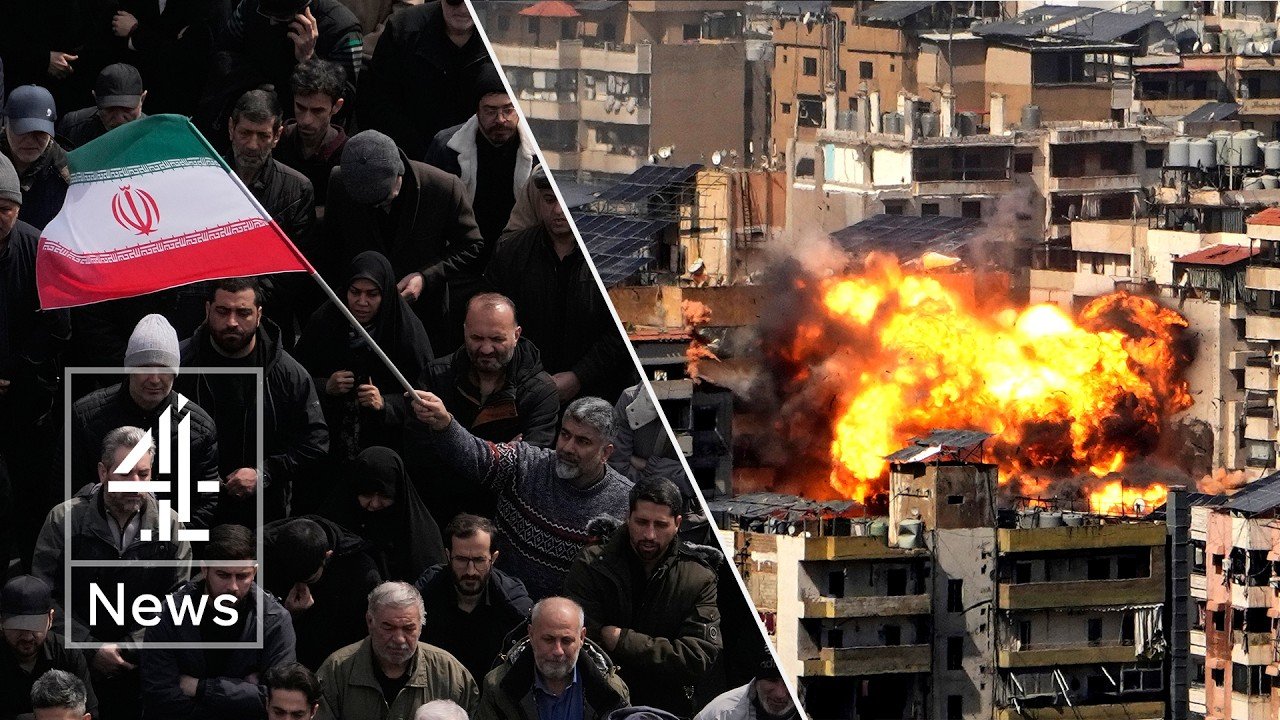
Israeli jets targeted the Dahiyeh suburb, a known Hezbollah stronghold, hitting what the IDF described as “executive council headquarters,” training camps and UAV facilities.
In a rare move, an Israeli strike also hit a multi-storey residential building in the Aisha Bakkar neighborhood of central Beirut on March 11.
Massive strikes were reported in the Beqaa Valley, specifically the town of Tamnin al-Tahta, where seven people were killed. Additional strikes hit Tebnine, Bint Jbeil and Tyre.
The Lebanese Ministry of Health reported that 64 people were killed and 142 injured on March 11 alone. Total deaths since the conflict began on March 2 have reached 634, including 91 children.
Israel’s Army Chief has ordered the elite Golani Brigade to move from the Gaza Strip to the Lebanese border. The IDF is also sending an additional infantry brigade to the border to support ongoing ground incursions.
IDF troops have been verified operating approximately 2.75 kilometers inside Lebanese territory near the village of Qaouzah.
The IDF issued urgent evacuation warnings for approximately 55 towns and villages across southern and eastern Lebanon.
An estimated 700,000 to 800,000 people have been displaced since the start of the war, with many fleeing the Dahiyeh suburb and southern border regions.
Israel rejects ceasefire overtures
Lebanese Prime Minister Nawaf Salam condemned Hezbollah’s rocket fire as “irresponsible” but also called for an end to Israeli aggression.
As of March 12, 2026, Israel has rejected diplomatic overtures from the Lebanese government for a “cessation of fire” aimed at facilitating peace talks.
The Israeli government, led by Prime Minister Benjamin Netanyahu, insists that any discussions must take place “under fire” rather than after a truce.
Israel’s UN Ambassador Danny Danon stated that Lebanon must “confront Hezbollah” and ensure its disarmament as a prerequisite for peace.
Israel maintains that its offensive will continue until the threat to its northern communities is eliminated.
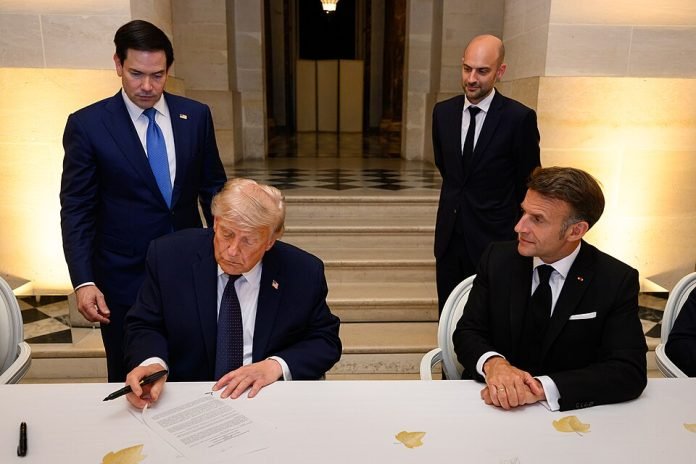
Despite the rejection, US envoy Tom Barrack and French President Emmanuel Macron have been actively pushing for de-escalation.
The UN Security Council met on March 11 to discuss the crisis, where several member states condemned the escalating violence and called for an urgent return to the 2024 ceasefire terms.
Rising casualties and human toll
Casualty figures vary by source as of March 12, 2026.
In Iran, over 1,300 civilians have been killed and nearly 10,000 civilian sites hit, according to Iranian officials.
In Lebanon, at least 634 deaths have been reported following continuous Israeli bombardment.
Reported deaths include 12–28 in Israel, 12 in Kuwait, including 6 US service members, and 6 in the UAE.
Total US service member deaths have reached seven, with approximately 140 wounded in the first 10 days.
Strait of Hormuz under threat
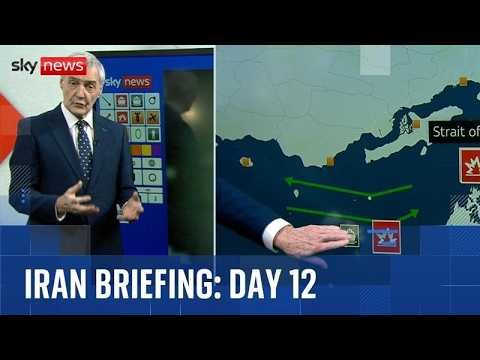
The US military reported destroying 16 Iranian mine-laying vessels near the Strait of Hormuz to keep the critical oil waterway open.
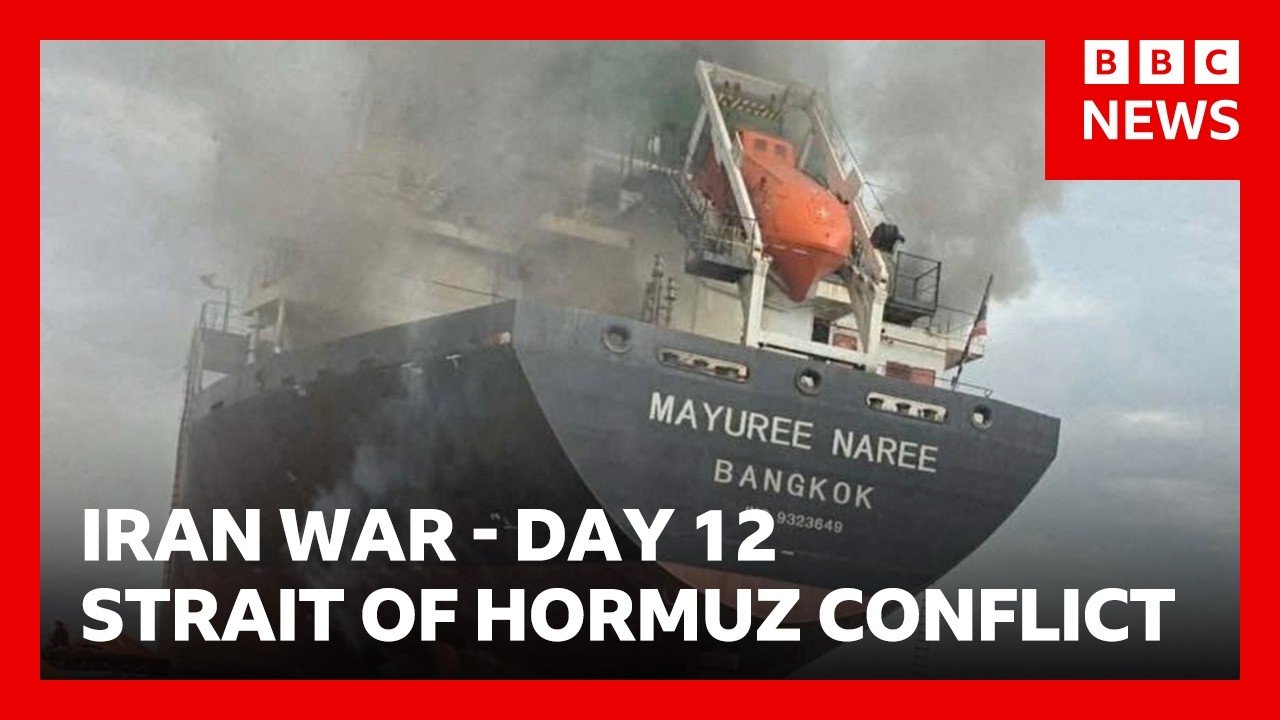
Iran’s Islamic Revolutionary Guard Corps fired on and stopped multiple vessels, including a Thai-flagged carrier and a Liberia-flagged ship, for allegedly ignoring warnings.
Read more:
IEA to release record oil reserves amid Iran’s $200-per-barrel threats
Iran appoints Mojtaba Khamenei as Supreme Leader