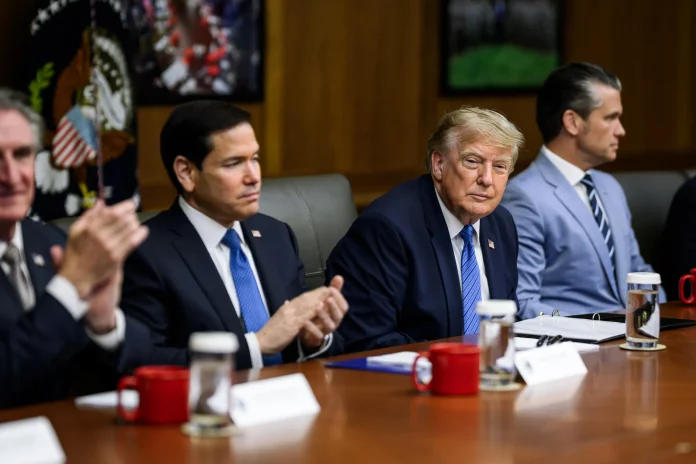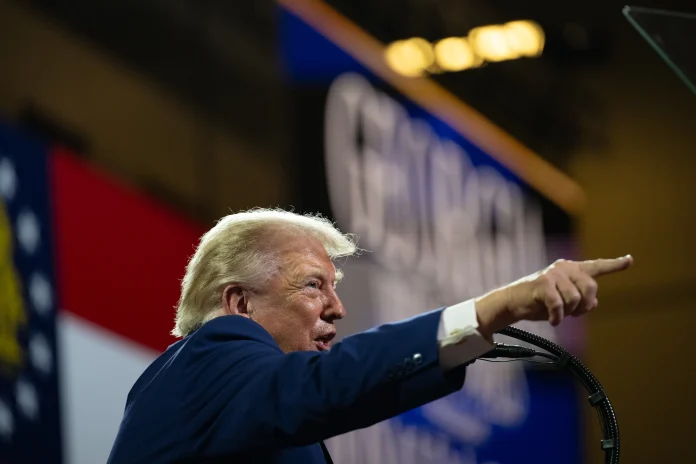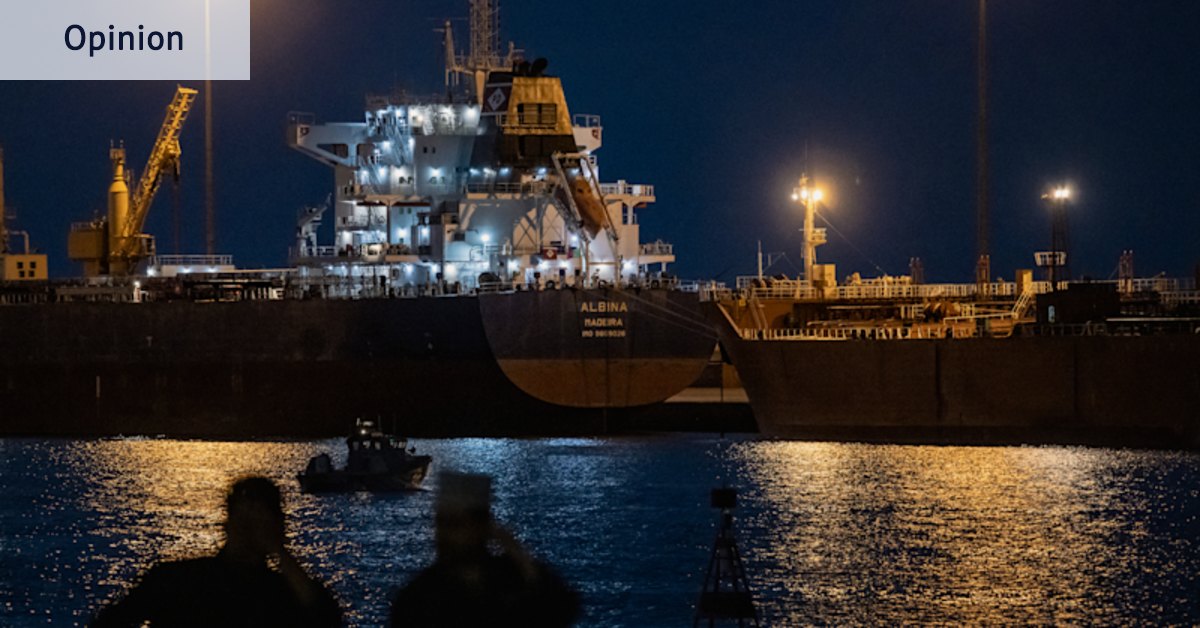
US President Donald Trump has issued a high-stakes ultimatum regarding the Strait of Hormuz while claiming that significant diplomatic progress is being made with Tehran to end the ongoing 2026 Iran war.
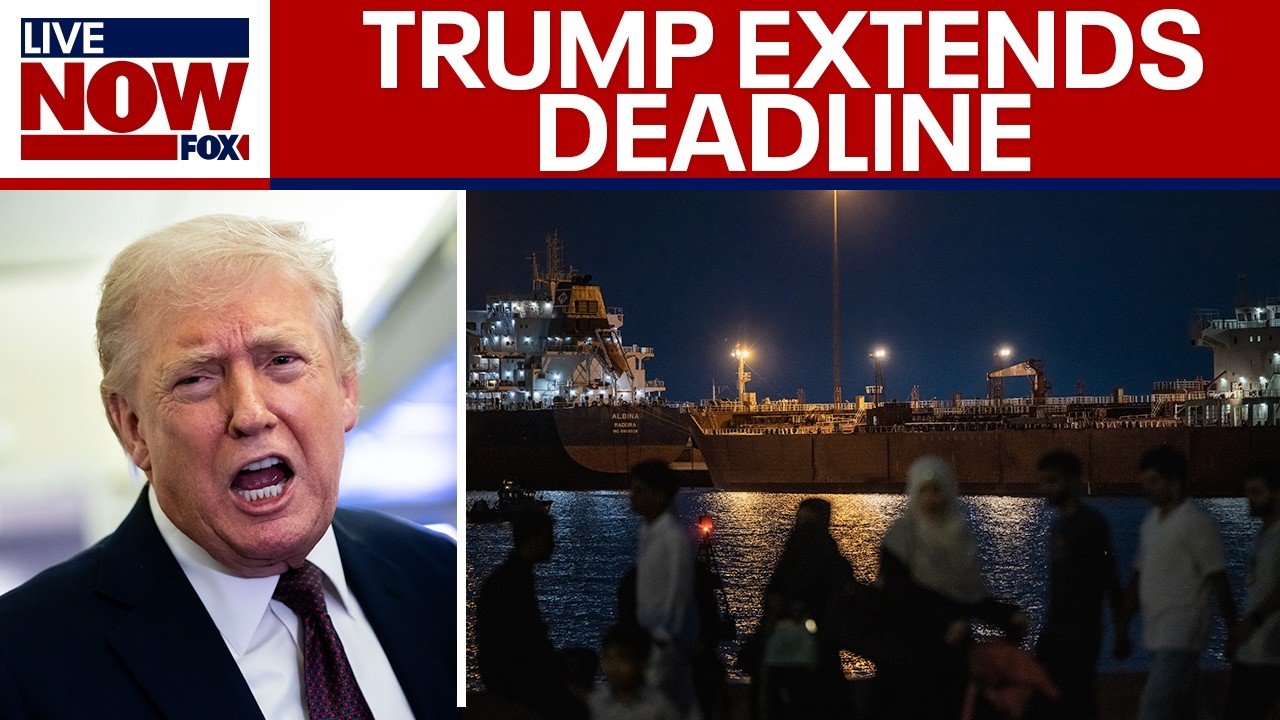
Trump issued a 48-hour deadline on March 2, threatening to “hit and obliterate” Iran’s power plants, starting with the largest, if the Strait of Hormuz was not “fully open, without threat”.
Iran responded by vowing to target energy and water infrastructure across the Middle East, including desalination plants and facilities supplying US bases.
On March 23, hours before the deadline was set to expire, Trump announced a five-day moratorium on the planned strikes. He stated this “reprieve” was to allow time for ongoing negotiations that could lead to a “complete and total resolution” of hostilities.
US-Iran “Negotiations”
President Trump told reporters that US envoys, including Steve Witkoff and Jared Kushner, have held “very good and productive” conversations with a “respected” Iranian leader. He suggested a 15-point deal is possible, which might include joint US–Iranian control of the Strait.
Tehran’s Foreign Ministry and Parliamentary Speaker Mohammad-Bagher Ghalibaf have dismissed these claims as “fake news”. They argue the US is using psychological warfare to manipulate financial and oil markets.
Foreign Minister Abbas Araghchi has stated that past “bitter experiences”, specifically US strikes on nuclear sites, have eroded all trust, making a formal return to the “negotiation table” nearly impossible without a cessation of aggression.
However, a senior Iranian official reportedly informed CBS News that Tehran has received specific points from the US through mediators and that these points “are being reviewed”.
Foreign Ministry spokesperson Esmaeil Baqaei shifted the narrative by stating that while there is “no dialogue,” messages have been received via “friendly countries” indicating a US request for negotiations to end the war.
While direct talks are unconfirmed, reports indicate Turkey, Egypt, Qatar and Pakistan have been passing messages between the two nations to prevent further escalation. Pakistan’s foreign ministry hinted that direct talks in Islamabad could occur as early as this week.
Trump suggests joint control of the Strait
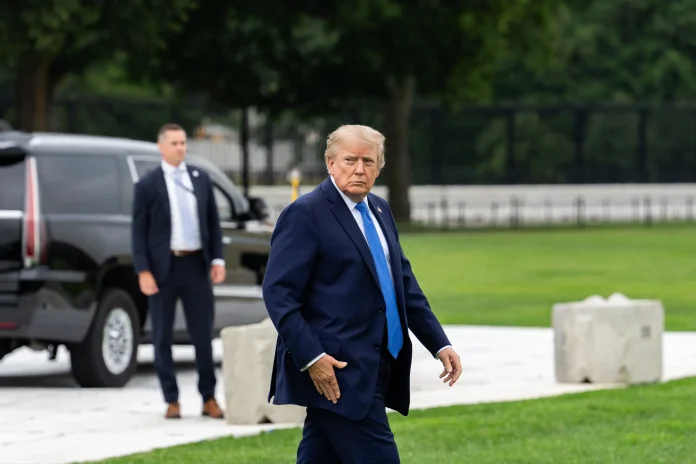
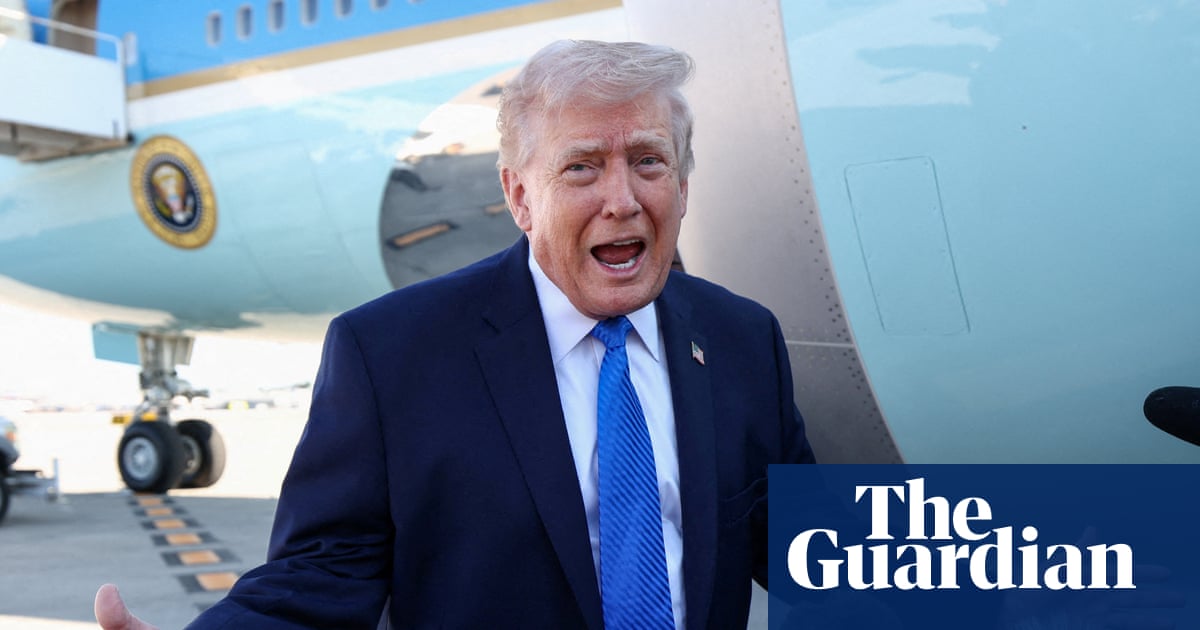
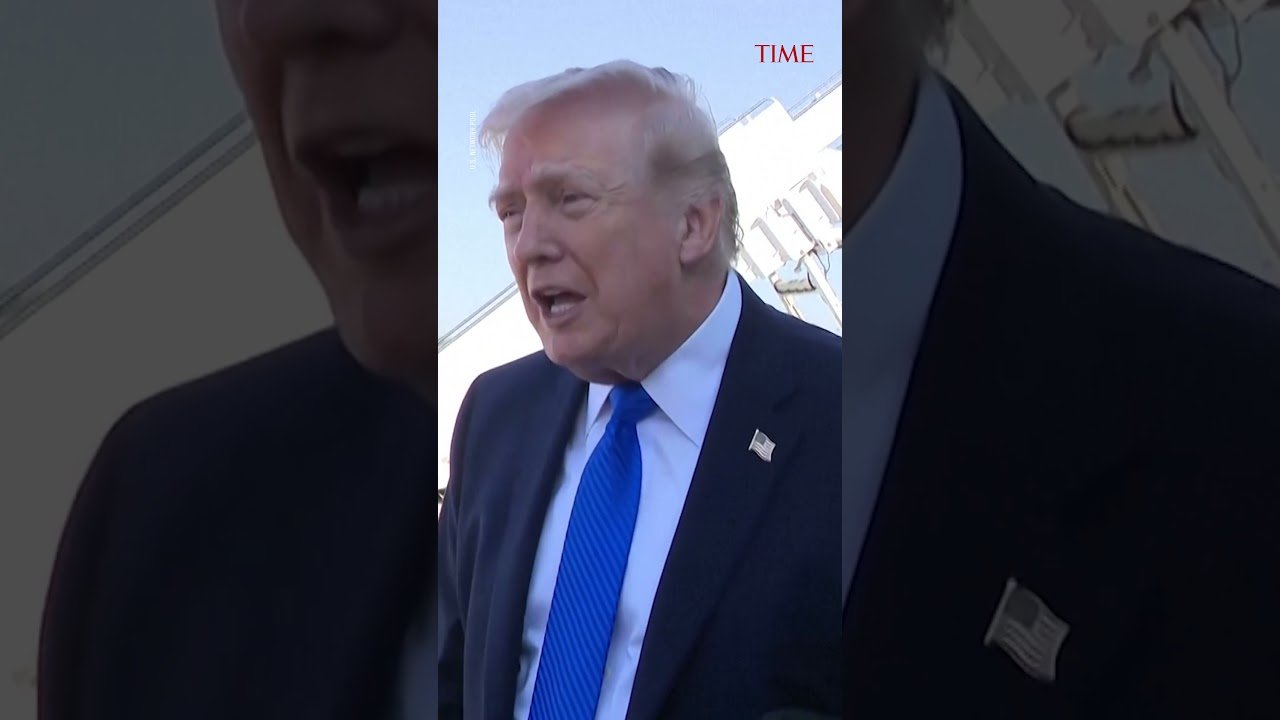
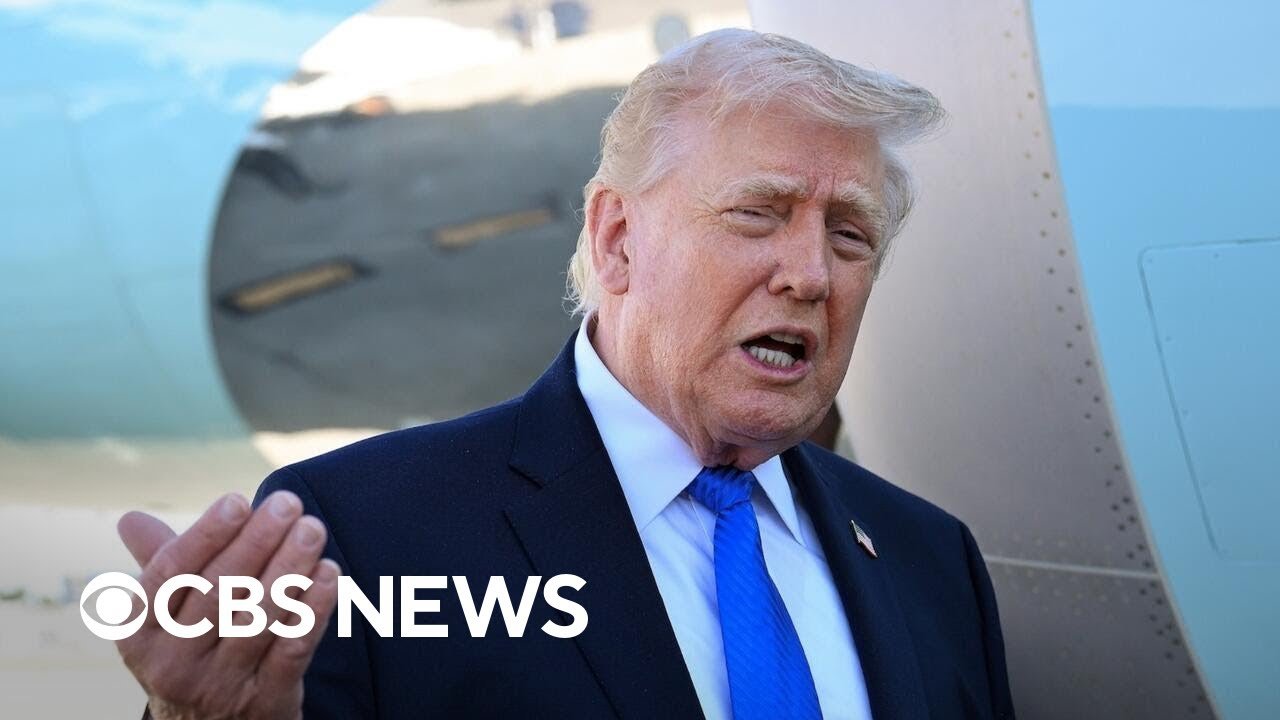
During a press briefing at Palm Beach International Airport on Monday, March 23, Trump was asked who would oversee the Strait if it reopened.
Maybe me… me and the Ayatollah, whoever the next Ayatollah is, we would control it together.
Trump responded to press on oversight of the Strait
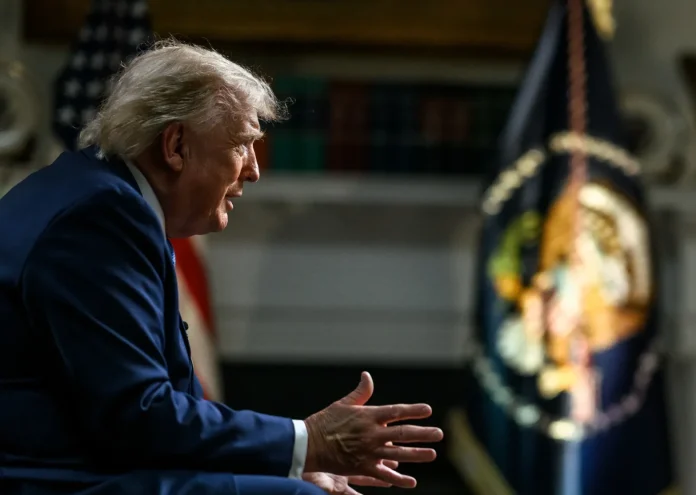
Trump responded: “Maybe me… me and the Ayatollah, whoever the next Ayatollah is, we would control it together”.
He further suggested this joint arrangement would be part of a “very serious form of regime change”, implying that the current Iranian leadership might be replaced as part of the agreement.
Trump did not provide technical details on how such “joint leadership” would function legally or militarily, given the Strait is an international waterway governed by maritime law.
Market Impact
President Trump told reporters, “The price of oil will drop like a rock as soon as the deal is done”.
The price of oil will drop like a rock as soon as the deal is done
Trump told reporters
Analysts view Trump’s repeated optimistic updates on negotiations as a deliberate effort to “jawbone” or manage market volatility, which has seen some of the largest price swings in history during this conflict. Following his announcement of a five-day reprieve on strikes, Brent crude prices plummeted by approximately 11% to 14%, falling below $100 per barrel for the first time in nearly two weeks.
While prices initially tanked, they began to rebound slightly on Tuesday as investors grew skeptical of Iran’s public denials that any talks were actually occurring.
Read also:
Israel and Iran hits nuclear sites, Iran hits Israel’s civilian towns
US-UK base in Diego Garcia targeted by missiles; Iran denies role
Israel hits South Pars gas field; Iran attacks Qatar, UAE energy facilities