Is Russia helping Iran in the Middle East conflict?

Jump to Timeline

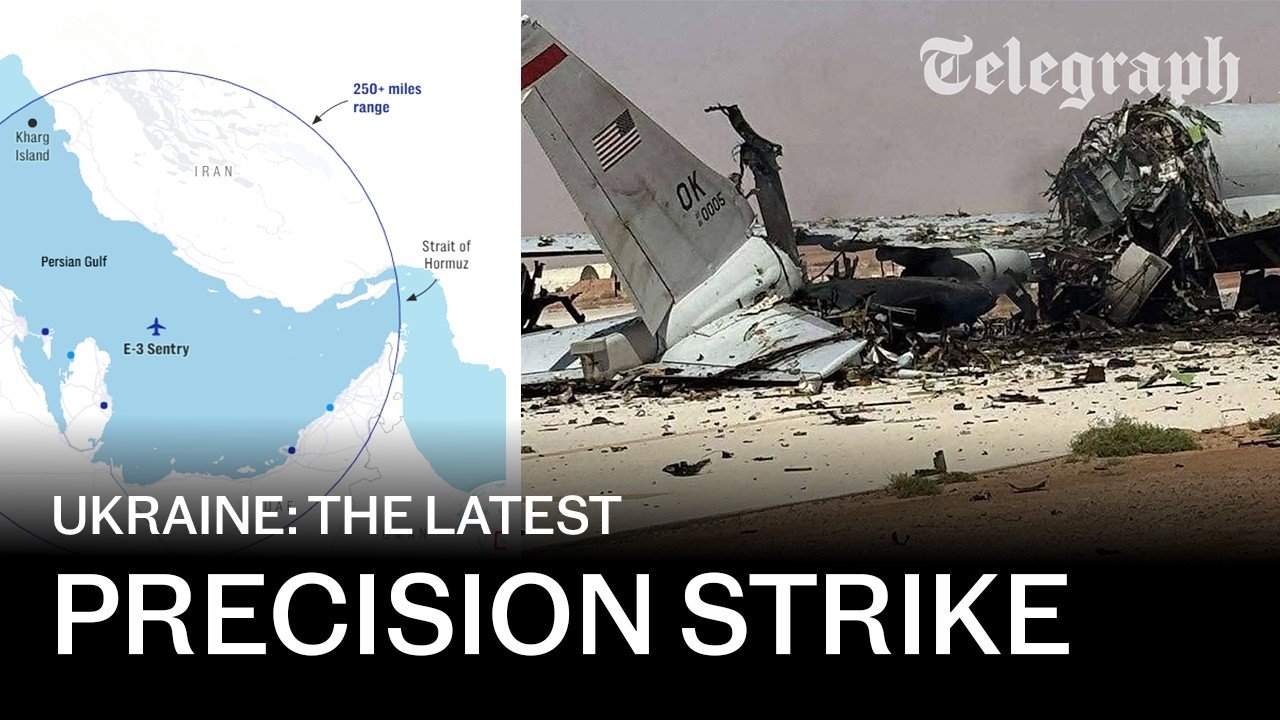
During the ongoing conflict between the United States, Israel, and Iran, Russia is reportedly providing significant intelligence and logistical assistance to Tehran. While Moscow has avoided direct military intervention, its support has been critical in helping Iran target US and Israeli assets in the Middle East.

Russia is reportedly providing Iran with real-time intelligence to facilitate more precise strikes against US and Israeli forces, the Washington Post reported.

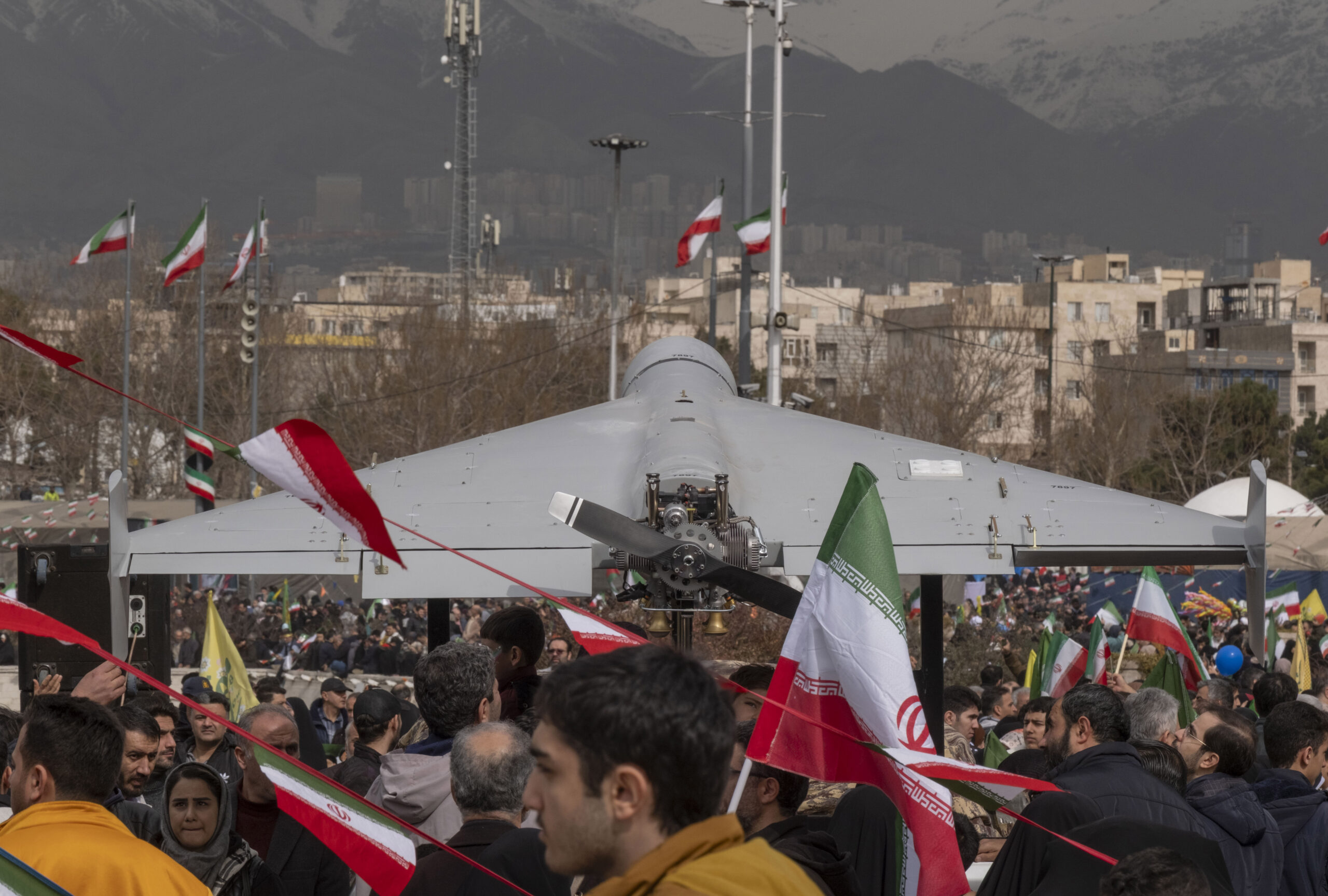
While Iran previously supplied Shahed drones for Russia’s use in Ukraine, Russia is now reportedly shipping its own modernized, mass-produced versions of these drones back to Iran.

Intelligence sharing and targeting

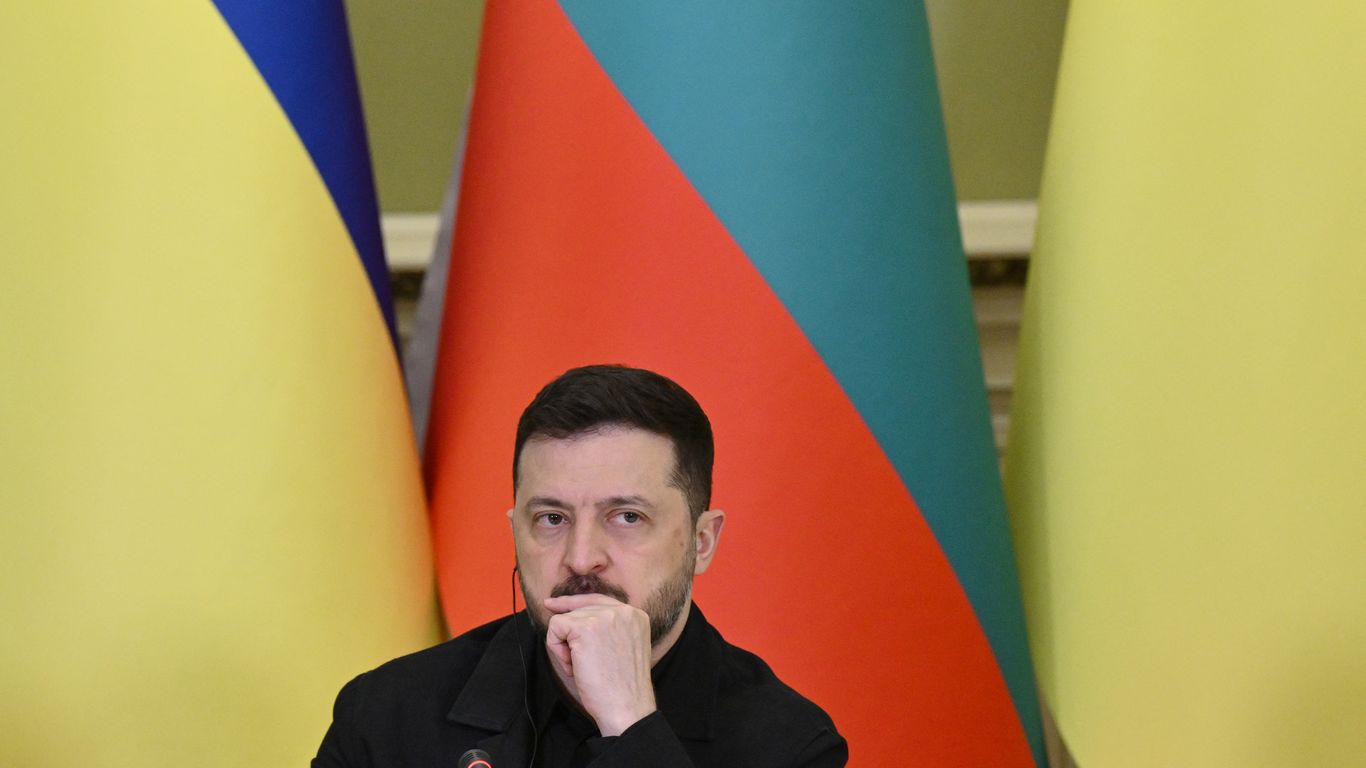
According to Ukrainian President Volodymyr Zelenskyy and Western intelligence, Russia has used its Liana spy satellite system to provide images of US air bases, including those in Saudi Arabia, Qatar, and Kuwait.

Reports indicate that Moscow is sharing the precise locations of American warships and aircraft operating in the Gulf.

Russia has supplied Iran with Krasukha electronic warfare systems, which can interfere with radar and satellite signals used by Western reconnaissance platforms.

Military and drone cooperation

On top of supplying their modernized drones to Iran, Western intelligence suggests Russia is sharing specific drone tactics developed during the war in Ukraine to help Iran penetrate sophisticated air defense systems.

Russia’s Foreign Minister Sergey Lavrov confirmed that Moscow continues to supply Iran with “certain types of military products” under existing technical cooperation agreements. 

Diplomatic and financial support

Diplomatically, Russia (often alongside China) has blocked or abstained from UN Security Council resolutions condemning Iranian actions, framing them as responses to “unjustified aggression”.

Surging oil prices caused by the war have provided a financial windfall for the Kremlin. Additionally, the US has partially lifted certain sanctions on Russian oil to mitigate the economic impact of the Gulf conflict.

As both nations face heavy Western sanctions, they have increasingly sought to integrate their financial systems, including connecting their national messaging services to bypass SWIFT. 

Iran’s SEPAM system is now connected to Russia’s SPFS (System for Transfer of Financial Messages). This link allows 52 Iranian bank branches and over 100 Russian and Eurasian institutions to communicate without Western oversight.

Over 80% of bilateral trade is now conducted in national currencies (Rials and Rubles), completely removing the US dollar from these transactions.

The Iranian-Russian Treaty on Comprehensive Strategic Partnership, signed in early 2025, has solidified these ties across the political and economic sectors.

youtube placeholder image

Read also: Financial Times: Iran inks secret shoulder-fired missiles with Russia

Key widely reported facts from verified sources including Politico.eu, The Washington Post, The Guardian, BBC, CBS News, CNN, NBC News

US launches “Operation Economic Outcast,” widening Iran sanctions to five new sectors

The US launched Operation Economic Outcast against Iran that expands secondary sanctions risk across five critical sectors and targets nearly 60 entities.
Read more

Trump declares ‘Economic D-Day’ on Iran in unprecedented sanctions escalation

US President Donald Trump has launched what he calls an “Economic D-Day” against Iran, vowing the “most crushing economic operation ever taken against any country”.
Read more

Trump threatens to bomb Oman as US-Iran ceasefire collapses

Trump posted an AI-generated image on his Truth Social platform labeling the Strait of Hormuz as "NEW US TERRITORY."
Read more

US-Iran peace deal collapses as 60-day deadline expires

Both Washington and Tehran have ruled out extending the deal, with President Donald Trump declaring that Iran must "put up the white flag of surrender".
Read more

Trump and Iran trade claims over Strait of Hormuz as shipping traffic collapses

Washington says its naval blockade has secured the strategic waterway while Tehran insists no vessel may pass without its approval.
Read more

“Deeply Duplicitous”: Trump issues ‘last chance’ warning to Iran

After Iran denied holding talks, Trump publicly lashed out, calling the Iranian leadership "unbelievably duplicitous" and insists talks are ongoing.
Read more

Trump meets Zelenskyy and Netanyahu before Lindsey Graham funeral

The overlap highlighted Graham’s standing as a longtime foreign-policy hawk, bringing together leaders tied to two of the world’s most consequential conflicts.
Read more

House votes to curb Trump’s Iran war powers, but Senate blocks the move

Trump framed the war powers vote as an attack on ongoing diplomacy, while critics said Congress was overdue to reassert its constitutional role over war-making decisions.
Read more

Trump threatens major strike as Red Sea conflict widens

Trump signaled that he sees little room for compromise at this stage, saying Iran is “not ready” and has not “received enough pain yet”.
Read more

Former Iranian President rejects allegations of Israeli Plot

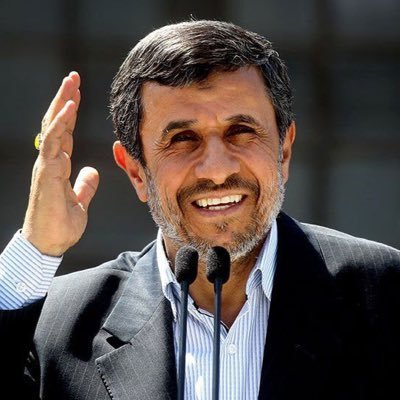
Former Iranian President Mahmoud Ahmadinejad denied allegations that he was recruited by Israeli intelligence as part of a regime-change plot.
Read more
Timeline

May 2022: Following Russia’s invasion of Ukraine, the two nations formally agree to switch trade settlements to national currencies (Rials and Rubles) as much as possible.

Jan 2023: A memorandum of understanding is signed to link their national interbank messaging systems, SPFS (Russia) and SEPAM (Iran), creating an alternative to SWIFT.

May 2023: VTB Bank, Russia’s second-largest lender, opens a representative office in Tehran, becoming the first Russian bank with a permanent presence in Iran.

Dec 2023: The governors of the two central banks finalize a formal agreement to fully transition bilateral trade to local currencies.

Jul 2024: Technical preparations for the three-stage integration of the Mir (Russia) and Shetab (Iran) payment networks are finalized.

Nov 11, 2024: Phase 1 of the payment link goes live, allowing holders of Iranian Shetab cards to withdraw Rubles from Russian ATMs.

Jan 17, 2025: Presidents Vladimir Putin and Masoud Pezeshkian sign the Treaty on Comprehensive Strategic Partnership, which includes 47 provisions covering finance, defense, and energy.

May 12, 2025: Phase 2 is launched, enabling Russian visitors to use Mir cards for purchases at over 160,000 POS terminals in Iran via the MirPay app.

Oct 2025: Officials report that over 80% of bilateral trade is now conducted in national currencies.

Dec 2025: Phase 3 is completed, allowing Iranian citizens to use their cards for direct retail payments within Russia.

Jan 2026: VTB Bank begins the process of converting its Tehran office into a full-service branch to facilitate direct trade and export financing.

Feb 2026: The 19th Joint Economic Committee meeting in Tehran establishes a new monitoring system to accelerate the implementation of existing financial and energy agreements.

Opinion & Analysis


You may also be interested in

LEAVE A REPLY

Please enter your comment!
Please enter your name here