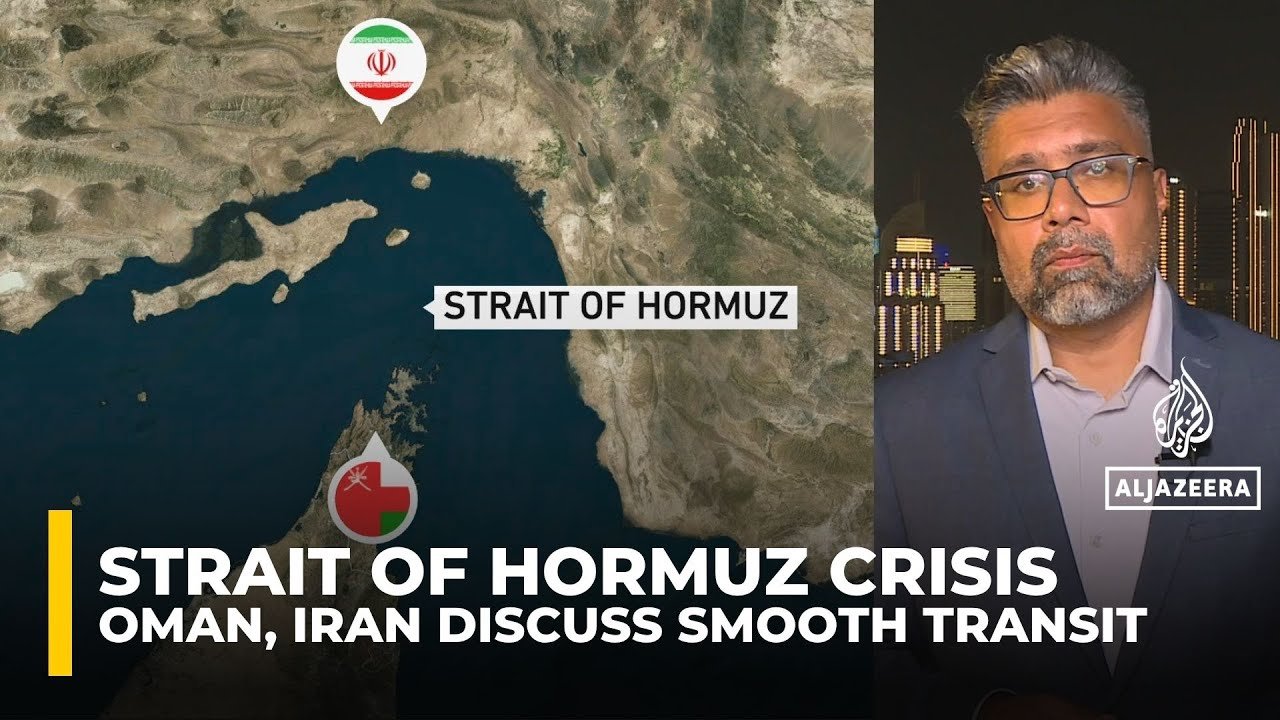
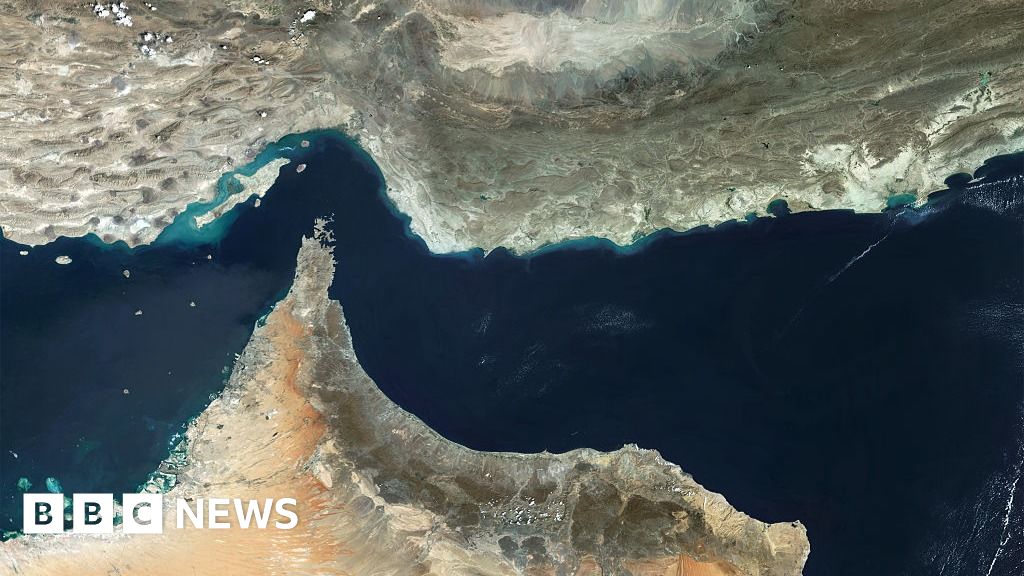
Iran and Oman are reportedly drafting a joint protocol to monitor and supervise maritime traffic through the Strait of Hormuz. Iranian Deputy Foreign Minister Kazem Gharibabadi announced on April 2, 2026 that the framework is intended to establish long-term oversight of the strait, even after the current war concludes.
The protocol aims to ensure that all vessel transits are coordinated under the joint supervision of Iran and Oman as the two primary coastal states. Iranian officials claim the requirements are meant to facilitate safe passage and provide better services to ships, rather than to impose restrictions or permanent blockades.
The first “neutral” vessels linked to Western Europe and major Asian economies began transiting the Strait of Hormuz on 2 April 2026. This follows weeks of a near-total blockade by Iran, which has since transitioned into a “selective denial” or “permission-based” transit regime.
Iran’s toll booth system
Iran has instituted a “toll system” for the Strait of Hormuz, which evolved from an ad hoc wartime blockade into a structured, permission-based transit regime as of April 2026. This system, often called the “Tehran Toll Booth”, is currently operated by the Islamic Revolutionary Guard Corps (IRGC) and is being formalised through new legislation in the Iranian Parliament.
Iran reportedly uses a ranking system (1 to 5) for nations. Vessels from “friendly” countries like China or Pakistan receive faster clearance and better terms, while those from “hostile” states (US, Israel) are banned. Operators must contact an IRGC-linked intermediary to submit detailed ship information, including ownership, flag, cargo manifest, crew list, and destination.
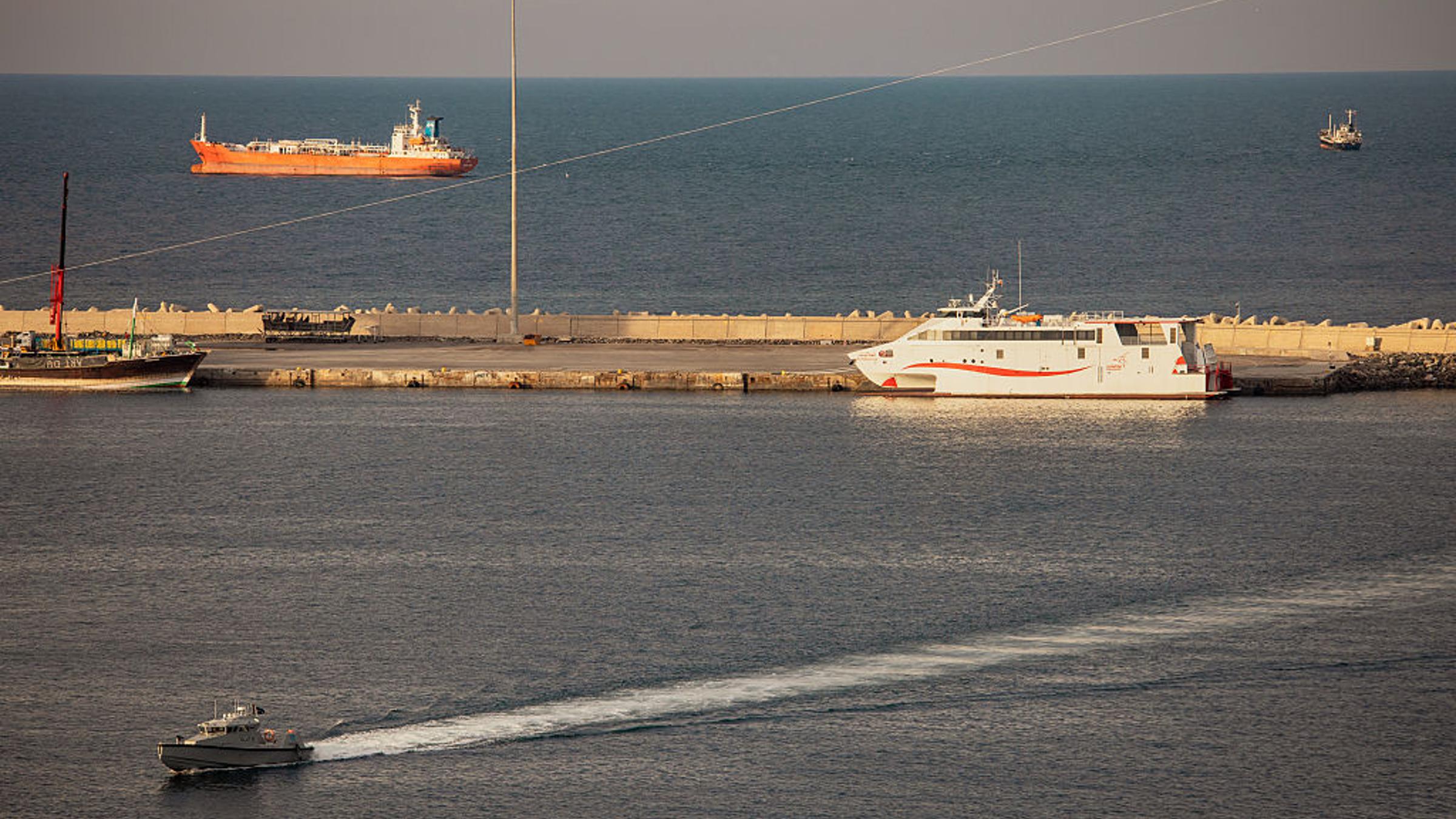
Approved ships are directed away from the standard southern shipping lanes and through a specific IRGC-controlled corridor near Larak Island and Qeshm Island. Once a ship provides its unique clearance code over VHF radio, it is often met and escorted through Iranian territorial waters by Iranian naval boats.
Payments are settled in Chinese yuan (RMB) or cryptocurrency (primarily stablecoins) through offshore intermediaries.
Reports indicate that the protocol to be drafted by Iran and Oman may institutionalise transit fees for ships passing through the strait. Some Iranian parliamentary proposals suggest fees could reach up to $2 million per transit, potentially settled in yuan or cryptocurrency.
The arrangement could formalise existing informal practices by the IRGC, such as requiring crew manifests, cargo details, and visual verification of “non-hostile” vessels.
Notable first transits
The Malta-flagged container ship CMA CGM Kribi, owned by France’s CMA CGM, successfully exited the Gulf on April 2, 2026. It reportedly used a new Iranian-approved route through its territorial waters and updated its AIS destination to “Owner France” to signal neutrality.
The Panama-registered tanker Sohar LNG, part-owned by Japan’s Mitsui OSK Lines, crossed the strait on April 3, 2026, making it the first liquefied natural gas carrier to do so since the war began.
While Western transits only began in April, several “friendly” or neutral Asian nations secured early access in mid-March.
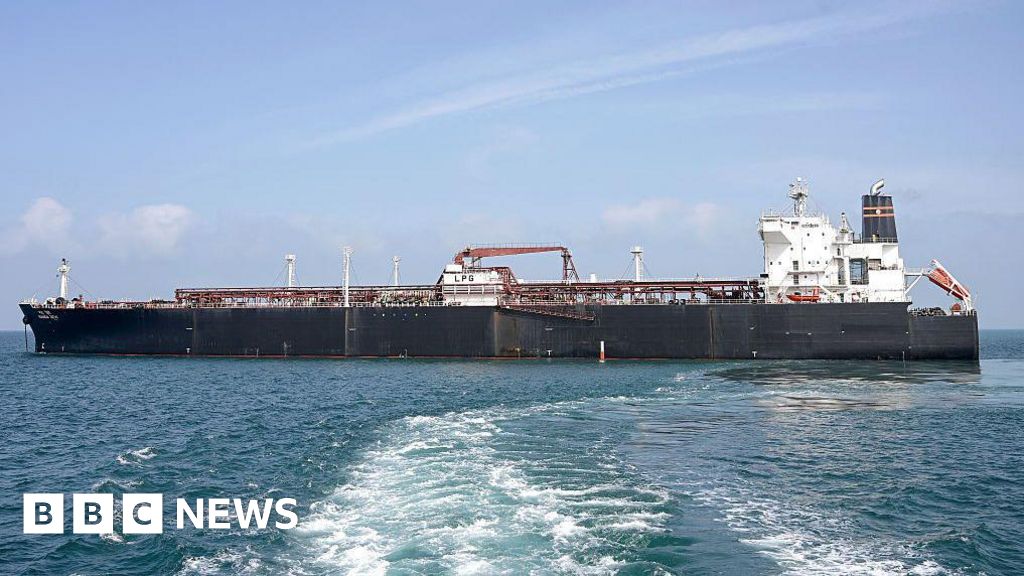
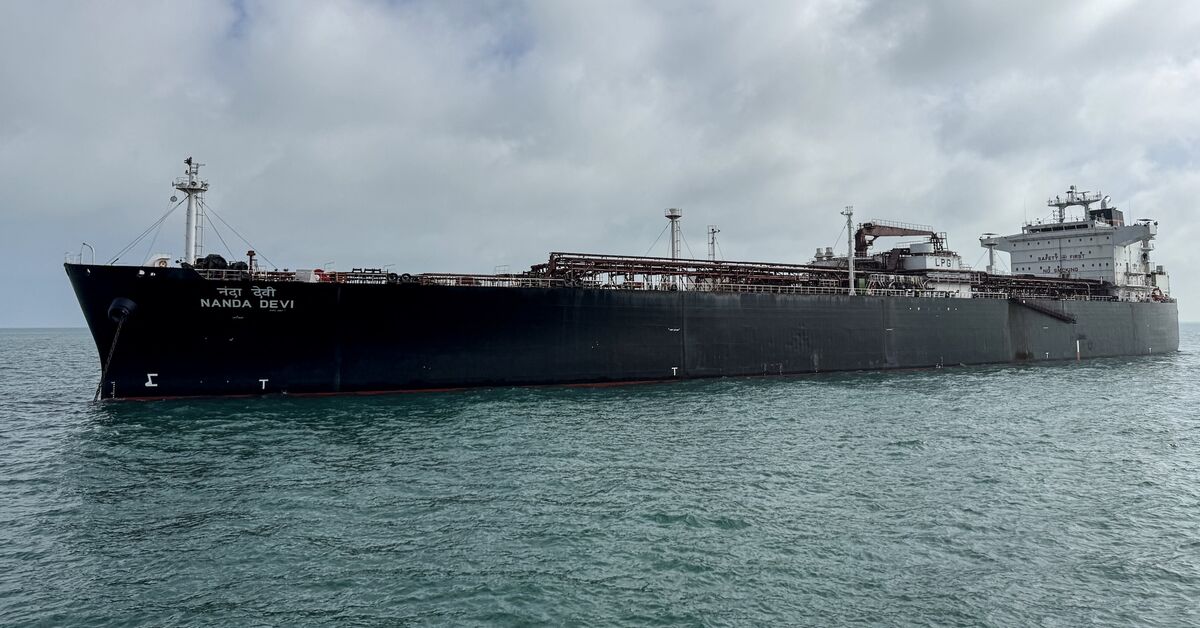
In mid-March, Iran granted rare exceptions for Indian-flagged vessels. On March 16, 2026, two tankers carrying LPG, the Shivalik and Nanda Devi, successfully crossed.
Malaysian Prime Minister Anwar Ibrahim announced on March 27, 2026 that Malaysian ships were granted “early clearance”. Seven stranded vessels were subsequently cleared to pass toll-free starting March 31.
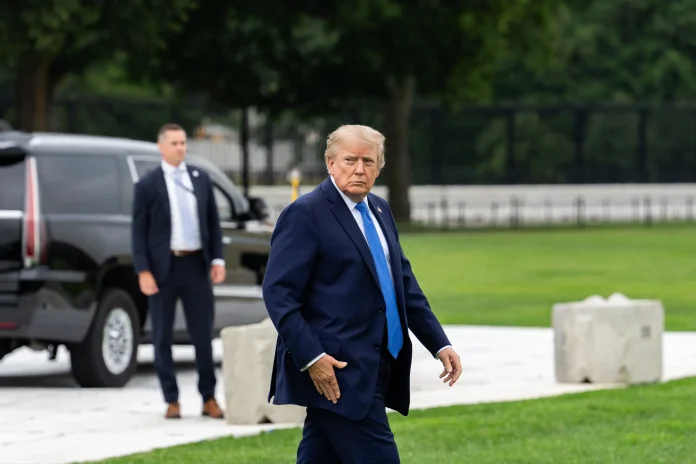
Trump claims the US could reopen the Strait
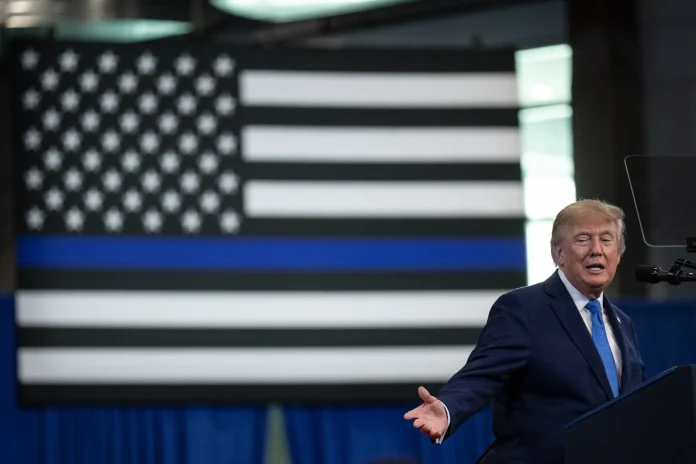
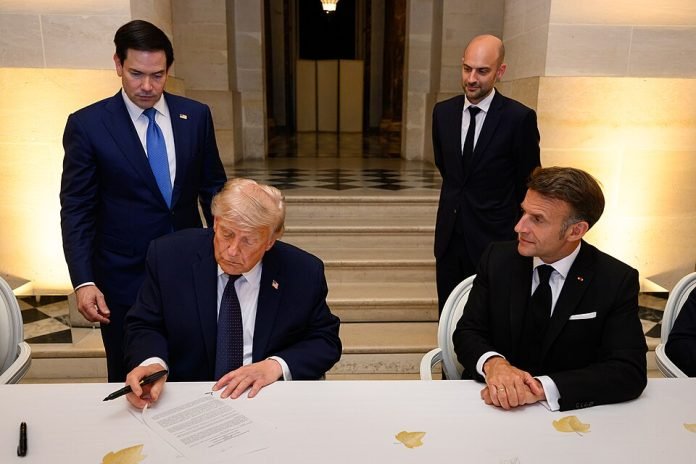
In a series of recent statements as of early April 2026, President Donald Trump has claimed that the US could “easily” reopen the Strait of Hormuz if given “a little more time” to continue military operations against Iran.
His comments, largely shared via Truth Social, emphasize a strategy of increased military pressure rather than reliance on international allies or the United Nations.
Legal and Diplomatic Status
The system remains highly controversial and legally precarious. Legal experts note that under the UN Convention on the Law of the Sea (UNCLOS), coastal states cannot charge for transit through natural international straits unless for specific requested services like pilotage.
Western shipping companies face severe legal risks, as paying these tolls could be seen as funding the IRGC, a designated Foreign Terrorist Organisation in the US.
Some nations, notably India, have secured passage for their vessels through high-level diplomatic intervention without public acknowledgement of direct toll payments.