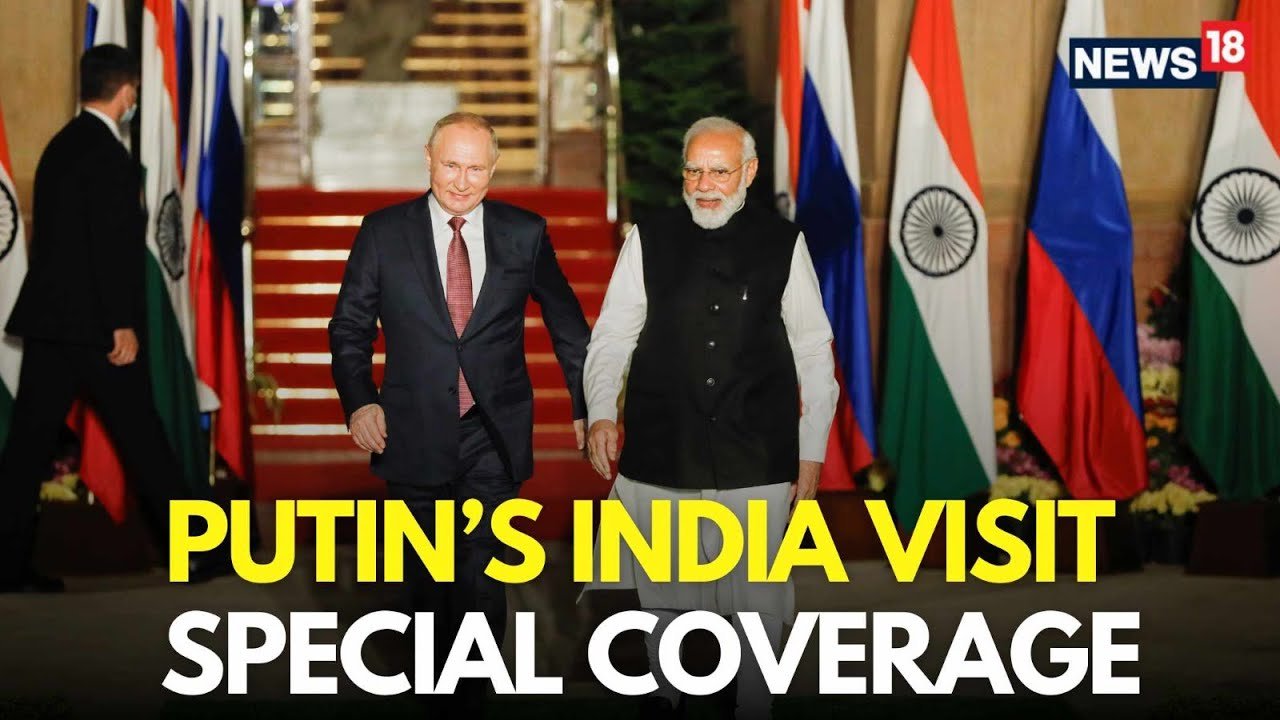
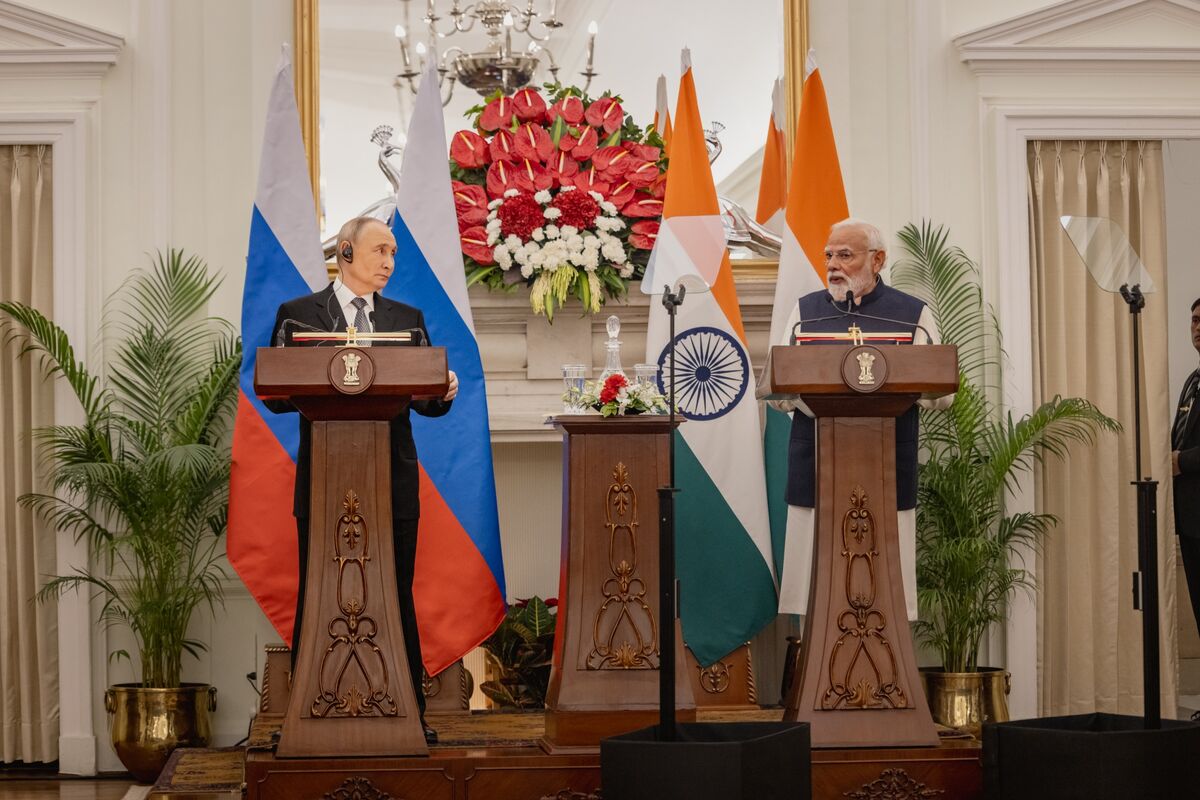
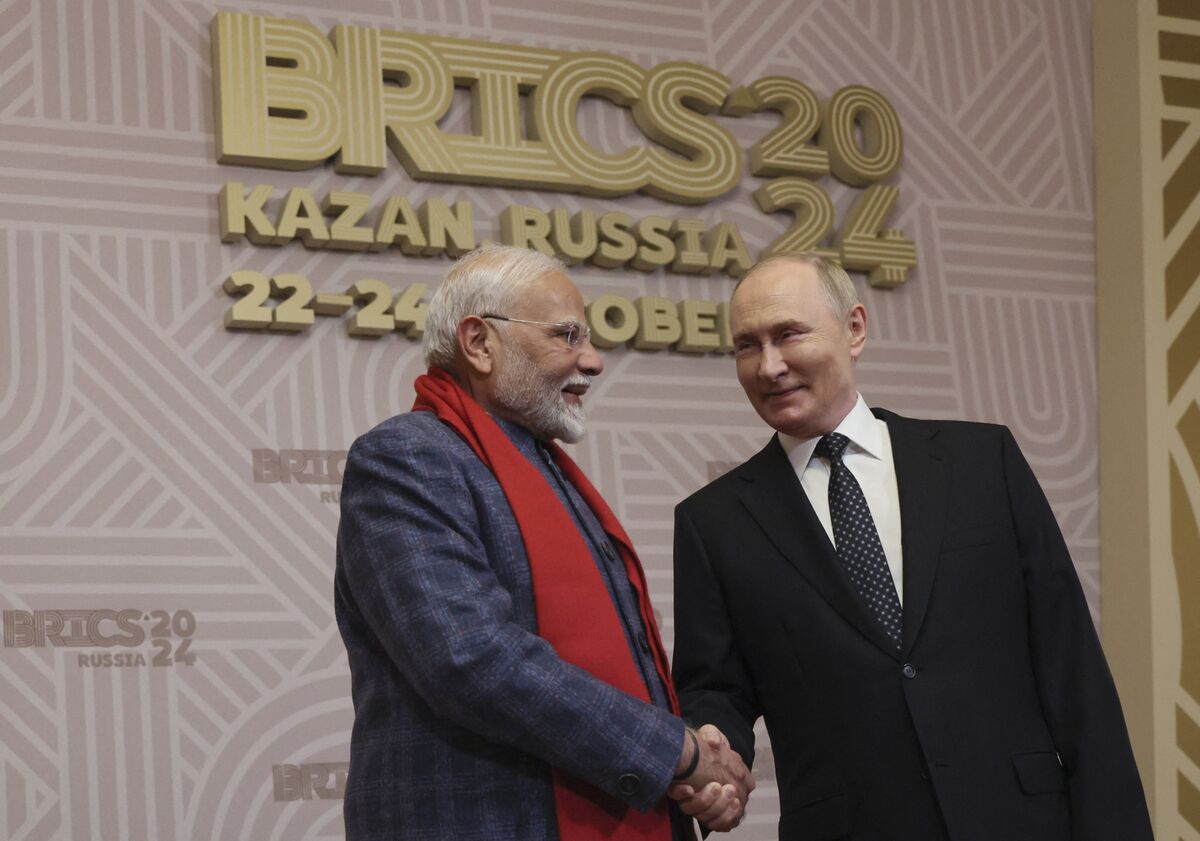
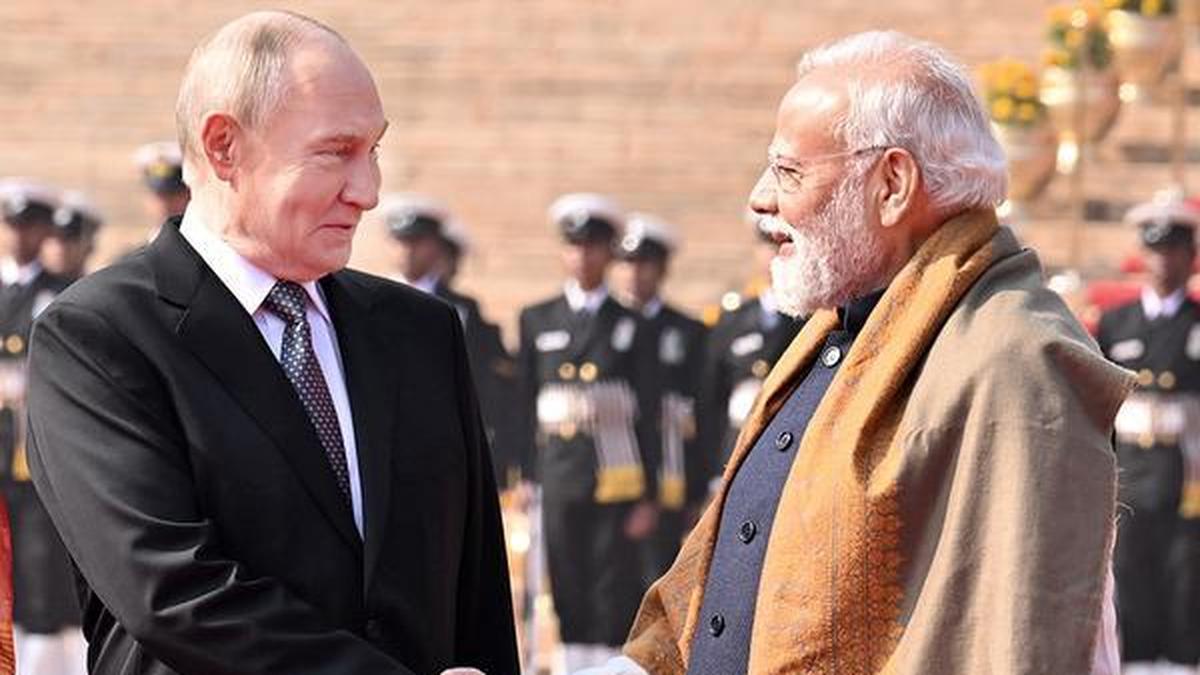
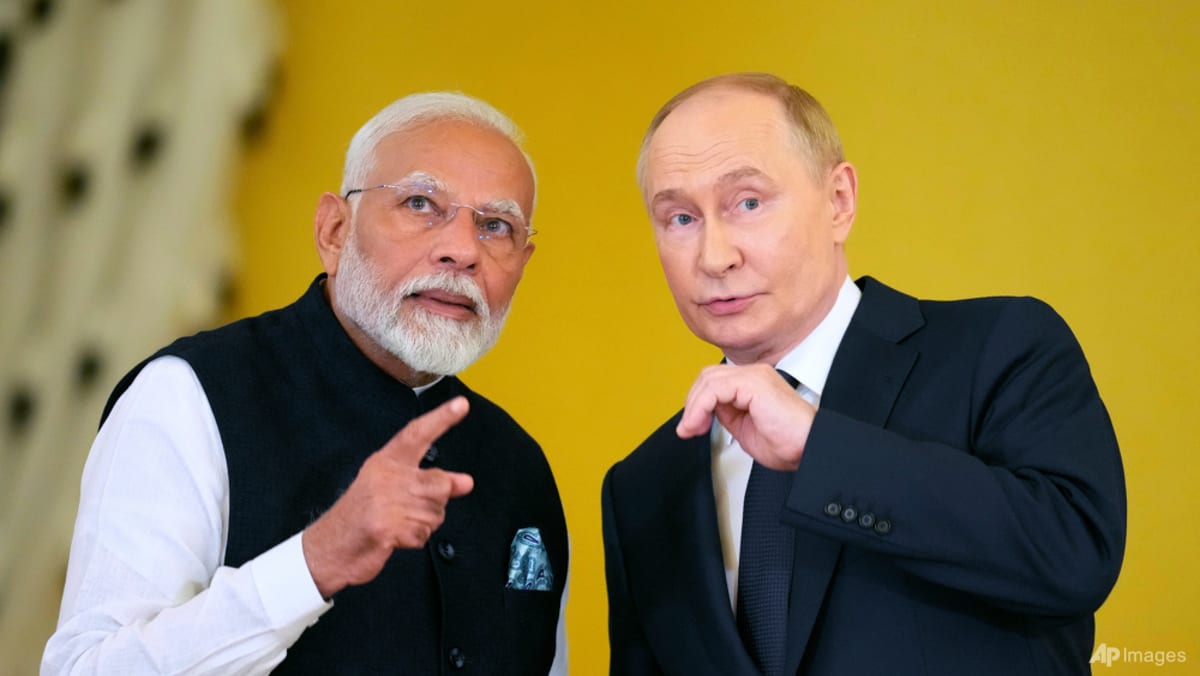
Russian President Vladimir Putin visited India from December 4 to 5, 2025 for the 23rd annual summit, coinciding with the 25th anniversary of the countries’ “Special and Privileged Strategic Partnership”. The summit was framed by both sides as a demonstration of resilience against Western pressure over the Ukraine war and sanctions on Russian energy.
India reiterated its stance on the Ukraine conflict, emphasizing a desire for peace through dialogue. Both countries strongly condemned all forms of terrorism.
Long strategic ties
The visit underscored the durability of a relationship that began with formal diplomatic ties in 1947 and deepened sharply during the Cold War, including Soviet backing during the 1971 war with Pakistan and a landmark treaty of friendship the same year.
Moscow remains central to India’s defense posture. Russia is still India’s largest arms supplier, accounting for more than 60% of military hardware, even as New Delhi has worked to diversify its partnerships.
Putin and Prime Minister Narendra Modi adopted a program for economic cooperation through 2030 and set a goal of lifting annual bilateral trade to $100 billion by 2030. Trade in fiscal 2024-25 reached $68.7 billion, though the balance remains heavily skewed toward Indian imports from Russia. The two sides also said they are exploring a free trade arrangement between India and the Eurasian Economic Union.
Around 16 agreements were exchanged in various sectors, including healthcare, academics, culture, maritime cooperation, customs, and logistics.
Energy and currency
Energy remained one of the summit’s core pillars. Putin pledged “uninterrupted shipments” of fuel, including oil, gas and coal, to India, which has continued buying discounted Russian crude despite pressure from Washington.
We are ready to continue uninterrupted shipments of fuel for the growing Indian economy
Russian President Vladimir Putin
The two countries also agreed to expand trade settlements in rupees and rubles, part of a broader effort to reduce reliance on the US dollar and blunt the impact of sanctions.
Labour and connectivity
The summit produced a labour mobility agreement designed to make it easier for skilled Indian workers, including engineers and IT professionals, to take jobs in Russia. Both sides also highlighted transport links, especially the International North-South Transport Corridor and the Chennai-Vladivostok maritime corridor, as key routes for expanding commerce.
Defence ties
Defence cooperation was reaffirmed, with both sides saying they want to reshape the relationship around joint production and technology sharing in line with India’s self-reliance drive.
A military logistics pact, RELOS, was signed shortly before the summit, but no major new arms purchase — such as Su-57 fighter jets — was announced, likely to avoid further U.S. sanctions.
Ukraine and Washington
India reiterated its position on Ukraine, calling for peace through dialogue rather than escalation. The summit also came amid heightened US pressure, including tariffs imposed by President Donald Trump on Indian goods over New Delhi’s purchases of Russian oil.
Putin pushed back, questioning why India was being punished for buying oil while the US itself imports nuclear fuel from Russia. Modi, meanwhile, described India-Russia ties as steady “like a guiding star”.
Over the past eight decades, the world has witnessed many ups and downs. Humanity has faced numerous challenges and crises. Yet, through all of this, the India-Russia friendship has remained steady like a ‘guiding star’.
Indian PM Narendra Modi