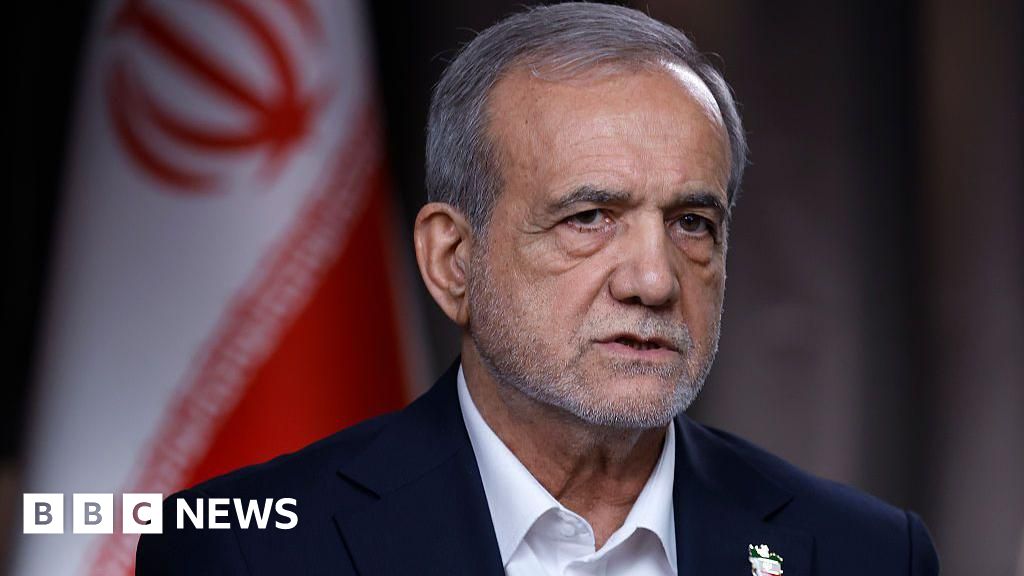
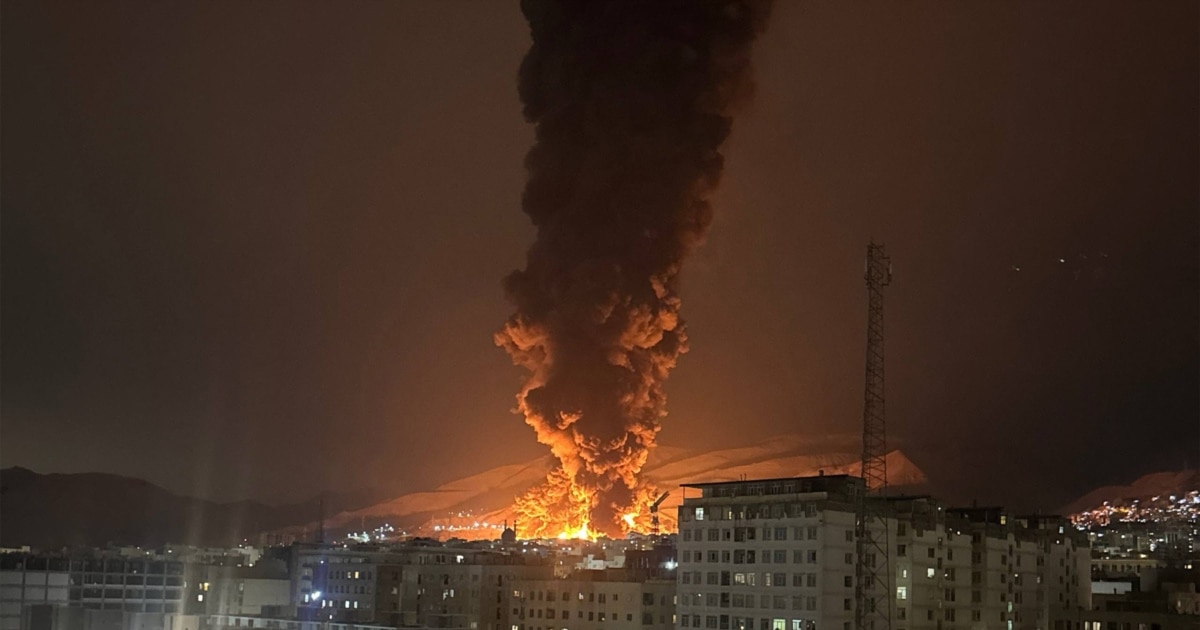
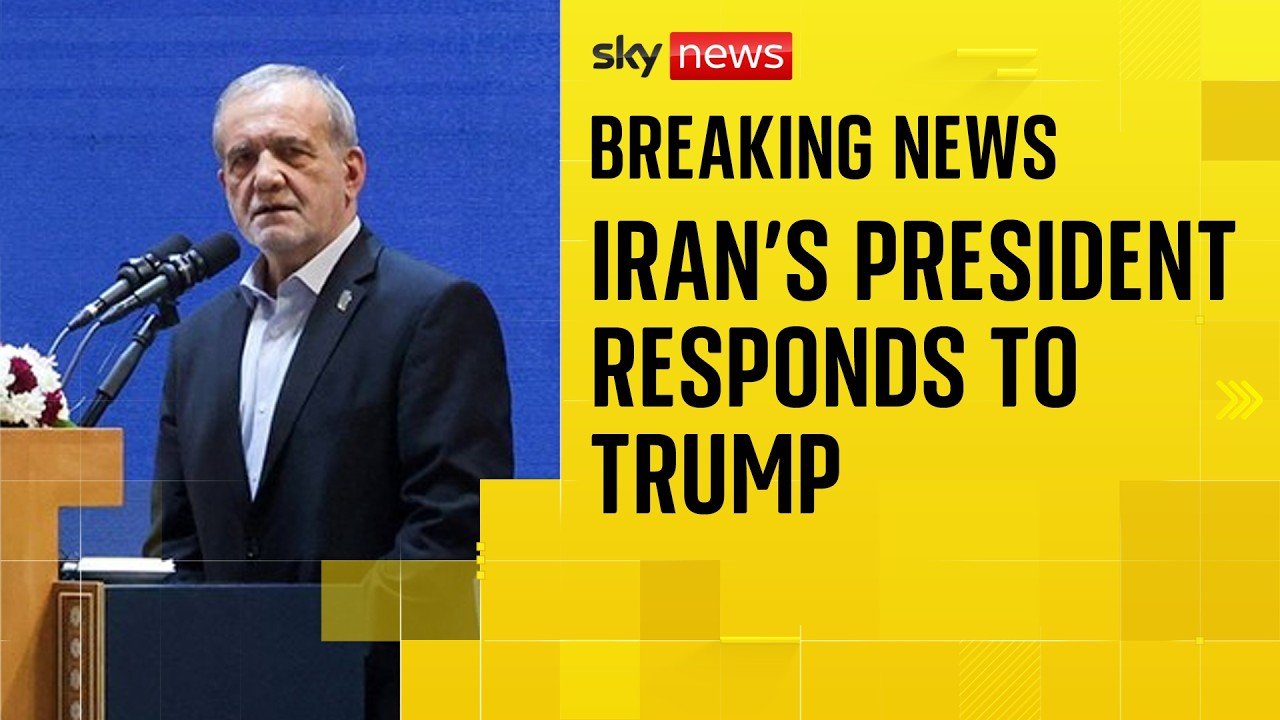
Iranian President Masoud Pezeshkian apologized to Gulf states including the UAE, Bahrain and Oman that have been caught in the crossfire of Iran’s retaliatory strikes against US and Israeli targets.
He suggested the strikes occurred under “fire at will” instructions following the assassination of Supreme Leader Ayatollah Ali Khamenei on February 28, 2026, which disrupted central military command.
He stated that Iran’s interim leadership council has ordered a halt to attacks on regional neighbors, provided they are not used as launchpads for strikes against Iran.
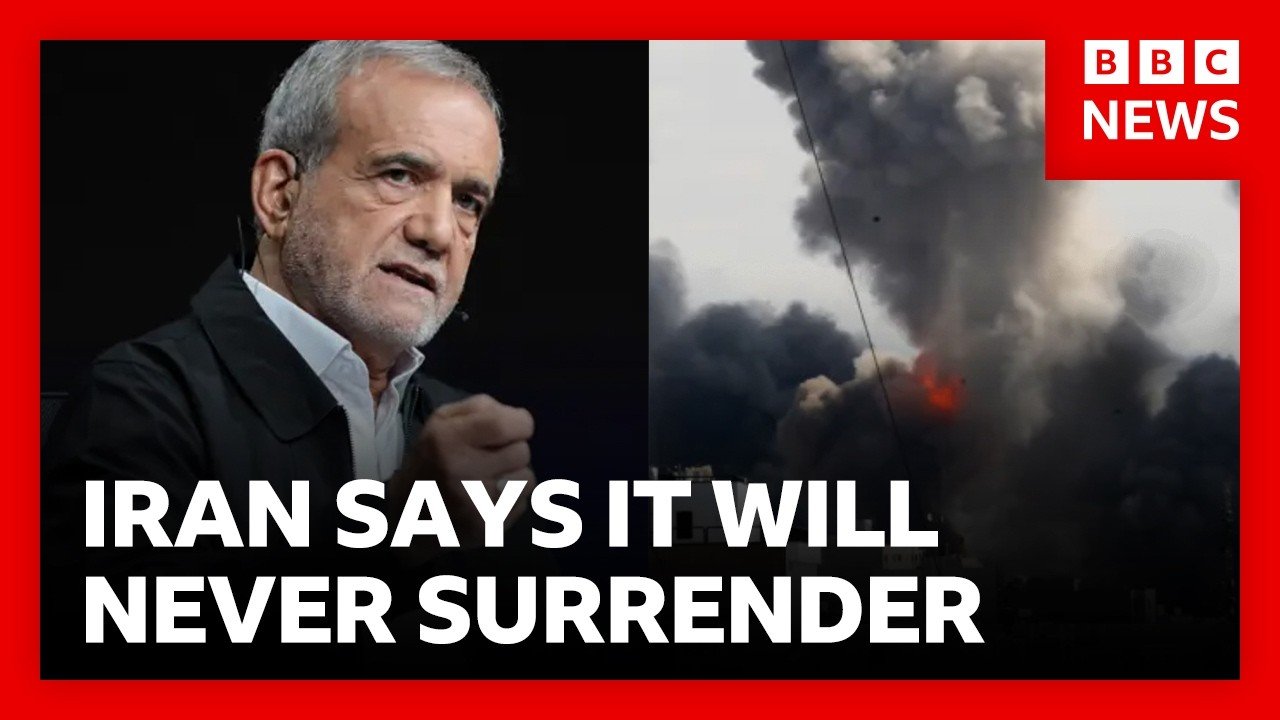
While apologizing to neighbors, Pezeshkian explicitly rejected US President Donald Trump’s demand for “unconditional surrender,” calling it a “dream that they should take to their grave.”
Domestic backlash and internal rifts
The apology exposed deep rifts within Iran. Hardline clerics and members of the Revolutionary Guard slammed the remarks as “weak” and “humiliating,” arguing that regional bases hosting US forces remain legitimate targets.
Judiciary Chief Gholamhossein Mohseni-Eje’i, a fellow member of the interim leadership council, issued a statement hours later explicitly contradicting the president, vowing that “intense attacks” would continue against the “Zionist-American” axis.
Hardline MP Hamid Rasai slammed the president’s tone as “weak, unprofessional and unacceptable,” reflecting the views of a parliament dominated by conservative factions.
Under immense pressure, Pezeshkian was forced to issue a second statement on X and Instagram that deleted the word “apology” entirely and claimed Iran had only ever targeted US assets.
The IRGC effectively ignored the president’s “halt” order. Military commanders reportedly maintained their “fire at will” status, launching new strikes on Dubai and Doha within hours of the televised address.
Analysts suggest the military is now operating independently of the civilian government, viewing any diplomatic overture as a betrayal of the late Supreme Leader’s “martyrdom.”
Gulf states respond with caution and defense
Gulf states have largely responded with a mix of caution, diplomatic condemnation and defensive action.
While the apology was intended to ease tensions, ongoing military strikes on the same day have led many regional governments to question the Iranian president’s actual authority over the Islamic Revolutionary Guard Corps.
The UAE Ministry of Defence reported being targeted by 16 ballistic missiles and over 120 drones on the day of the apology. President Sheikh Mohamed bin Zayed Al Nahyan stated the UAE is prepared to confront all “threats.” A drone strike on a runway at Dubai International Airport briefly suspended operations.
Bahrain’s Interior Ministry reported that an Iranian drone strike caused material damage to a water desalination plant. Bahrain previously condemned Iranian aggressions as a “major breach of international law.”
Saudi Arabia’s Defence Ministry confirmed a ballistic missile landed in an uninhabited area near Prince Sultan Air Base, which hosts US troops.
Kuwait reported intercepting a drone and announced a precautionary cut to crude oil production due to ongoing threats to the Strait of Hormuz.
Qatar’s armed forces intercepted a missile attack on Saturday afternoon, just hours after the apology was broadcast.
In an extraordinary meeting, the Gulf Cooperation Council expressed “gratitude and appreciation” to nations supporting their security and affirmed their right to take all necessary measures to defend their sovereignty under Article 51 of the UN Charter.
Foreign ministers from the GCC and European Union issued a joint statement strongly condemning the “unjustifiable Iranian attacks” that have targeted civilian infrastructure, including oil and residential areas.
Trump calls apology “surrender,” vows continued strikes
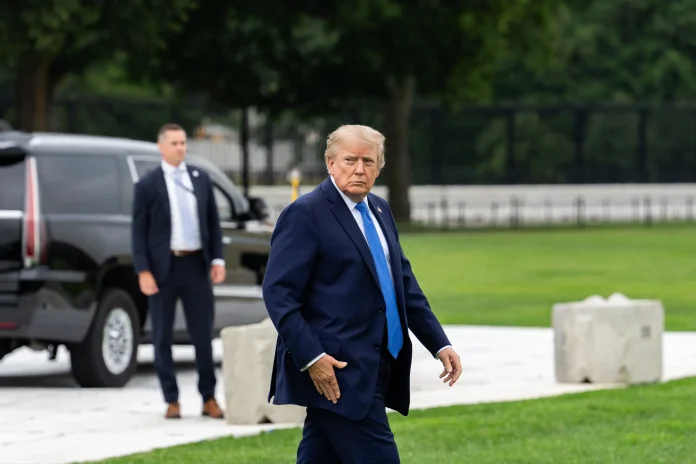
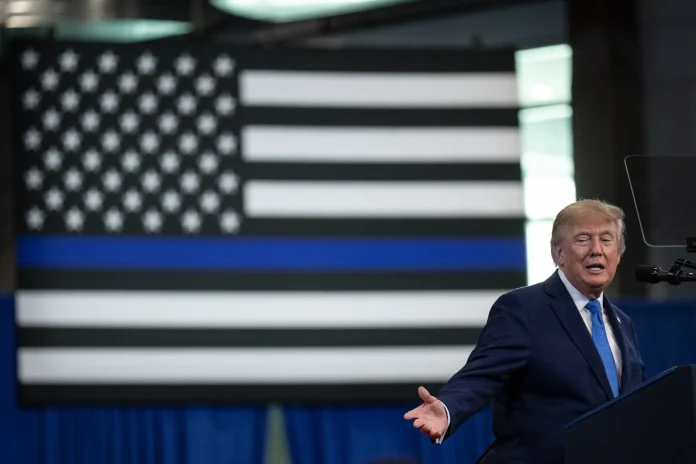
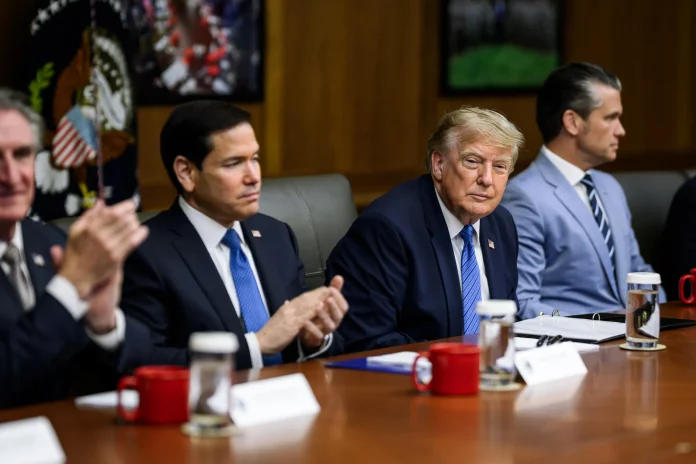
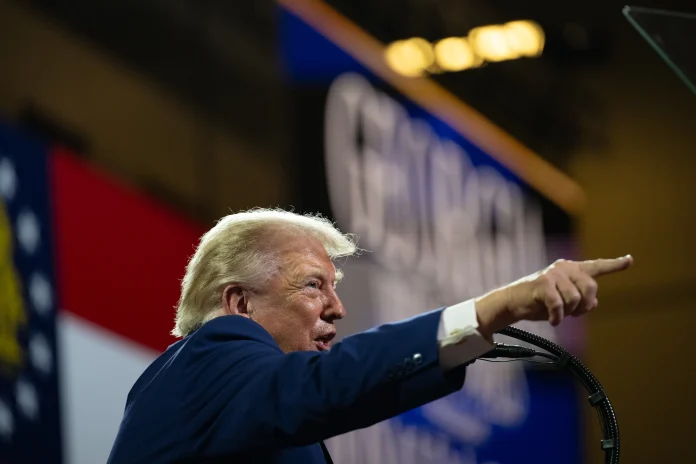
President Trump characterized the apology as a “surrender” on social media, claiming it proved the effectiveness of the joint US-Israeli military campaign.
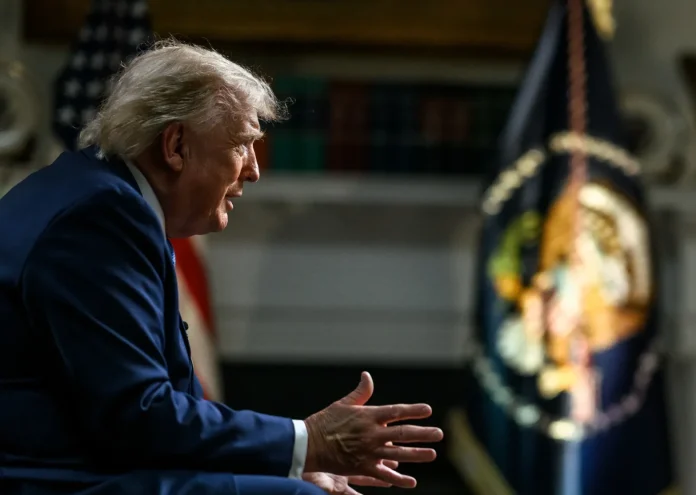
Trump warned that if Iran does not formally capitulate, it faces “complete destruction and certain death.” He vowed that Iran would be “hit very hard” and suggested targeting new groups and areas previously not considered.
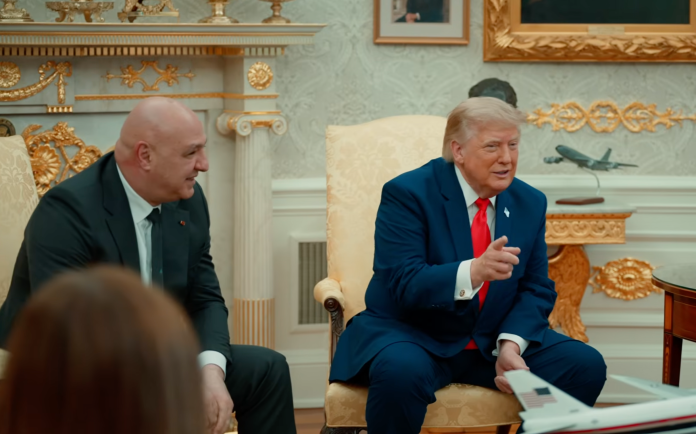
Speaking from Air Force One, Trump stated he is not interested in negotiating and suggested the war might only end when Iran has no remaining military or leadership.
US and Israeli officials claim to have destroyed approximately 60 percent of Iran’s missile launchers and 80 percent of its air defense systems, establishing aerial superiority over Iran.
Western officials expressed uncertainty about whether President Pezeshkian has the actual authority to halt strikes.
The White House continues to highlight the unrelenting force of its campaign, noting that Iranian ballistic missile shots are down 86 percent from the first day of fighting.
Trump attended the dignified transfer at Dover Air Force Base for six US service members killed in a recent Iranian drone strike in Kuwait, using the occasion to reinforce his resolve.
Netanyahu rejects ceasefire, warns of “surprises”
Prime Minister Benjamin Netanyahu has explicitly rejected any notion of a ceasefire following the apology.
In a televised address, Netanyahu vowed to carry out the war “with all our force” under a “systematic plan to eradicate the Iranian regime.”
Netanyahu directly warned members of the IRGC to lay down their arms, stating they are “in Israel’s sights” but would be unharmed if they surrendered. Israeli officials reportedly believe the apology may be a tactical move to buy time for Iran’s fractured interim leadership.
Netanyahu warned of an “organized plan with many surprises” for the next stage of the war, suggesting the current bombardment is only the beginning.
Read also:
Trump asks Iran for ‘unconditional surrender’ and say in appointing its leader
Hezbollah declares war on Israel, Israel kills head of Hezbollah’s intelligence