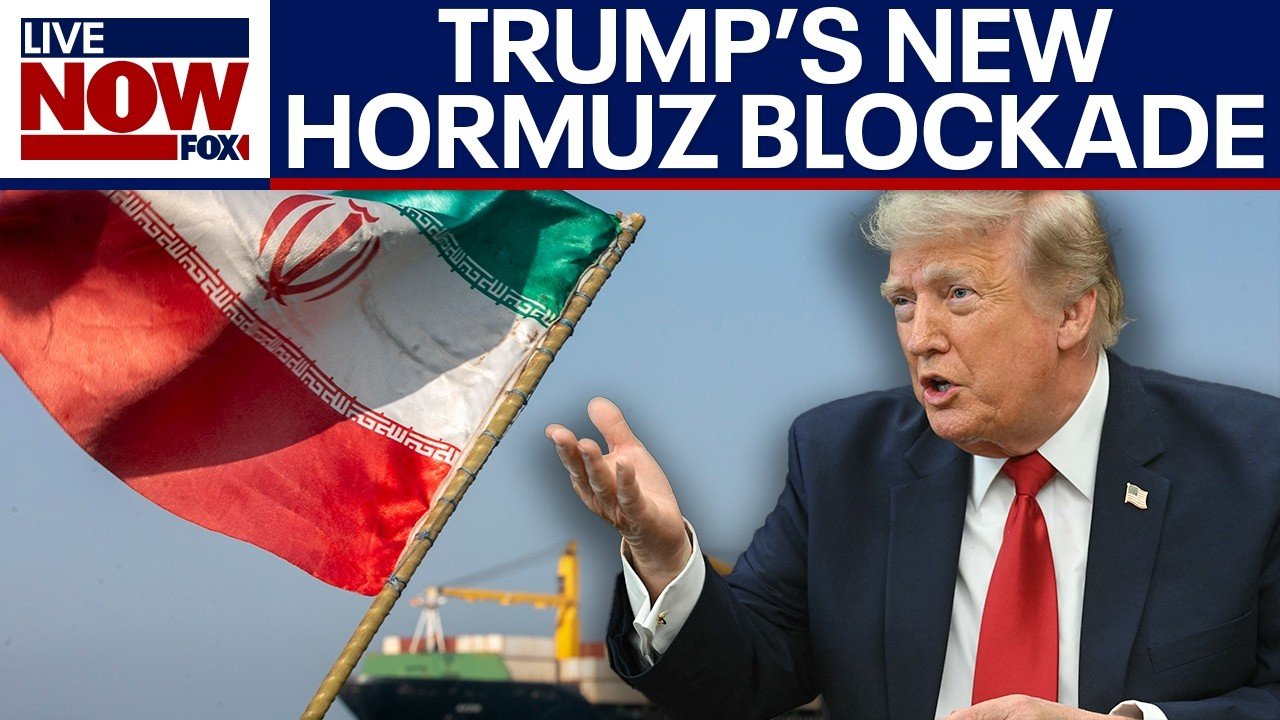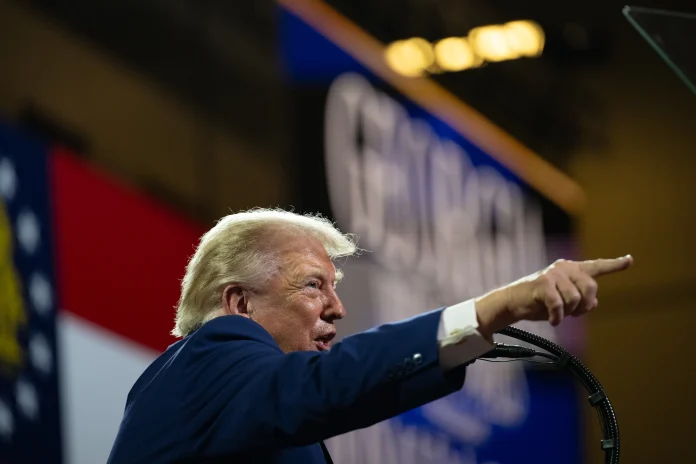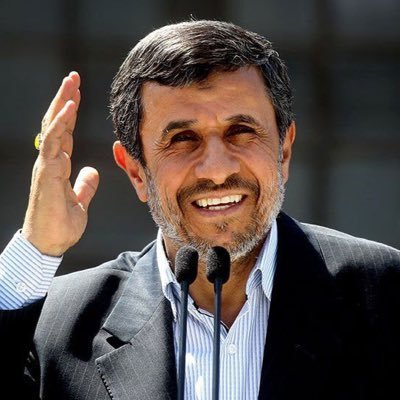

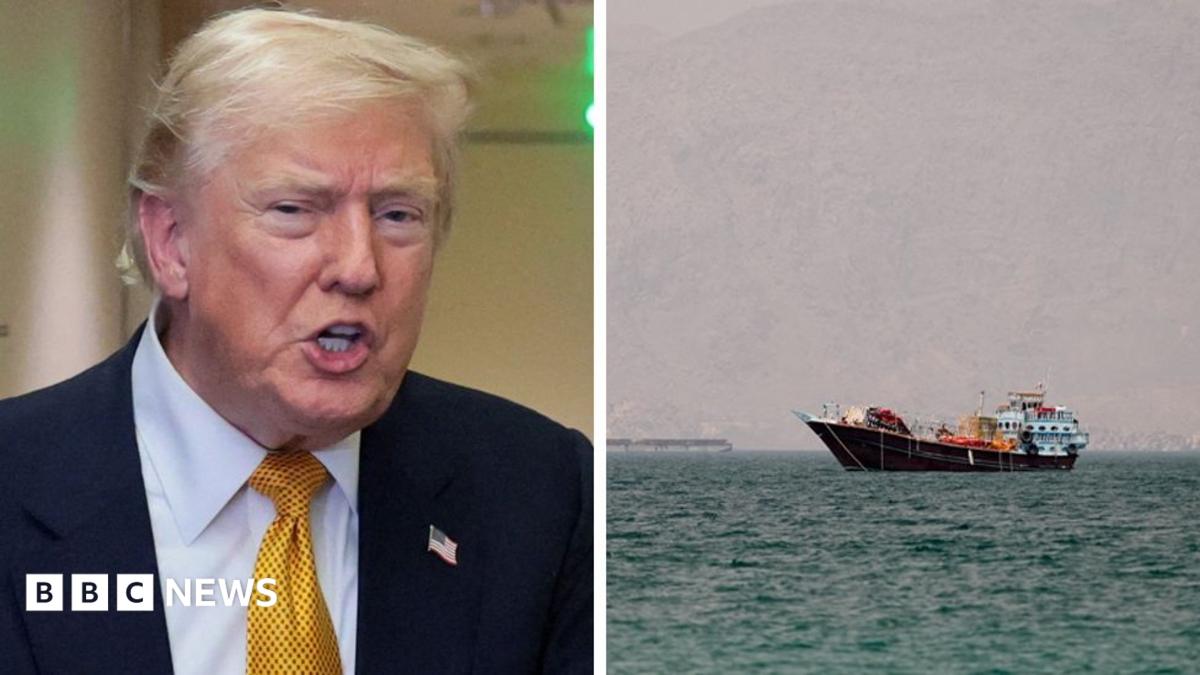


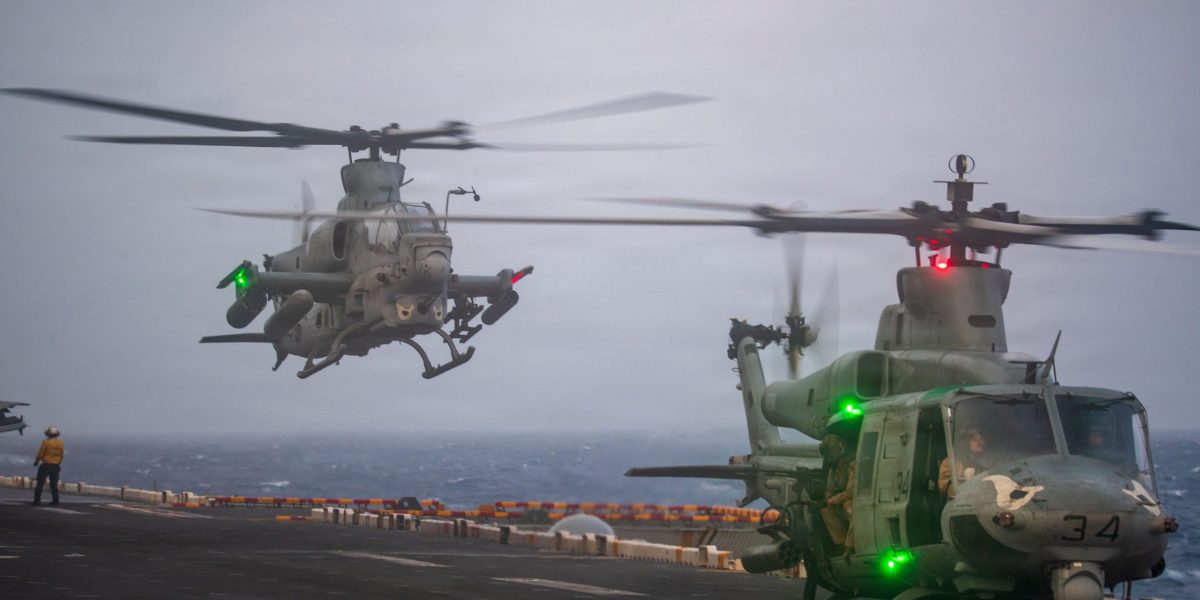




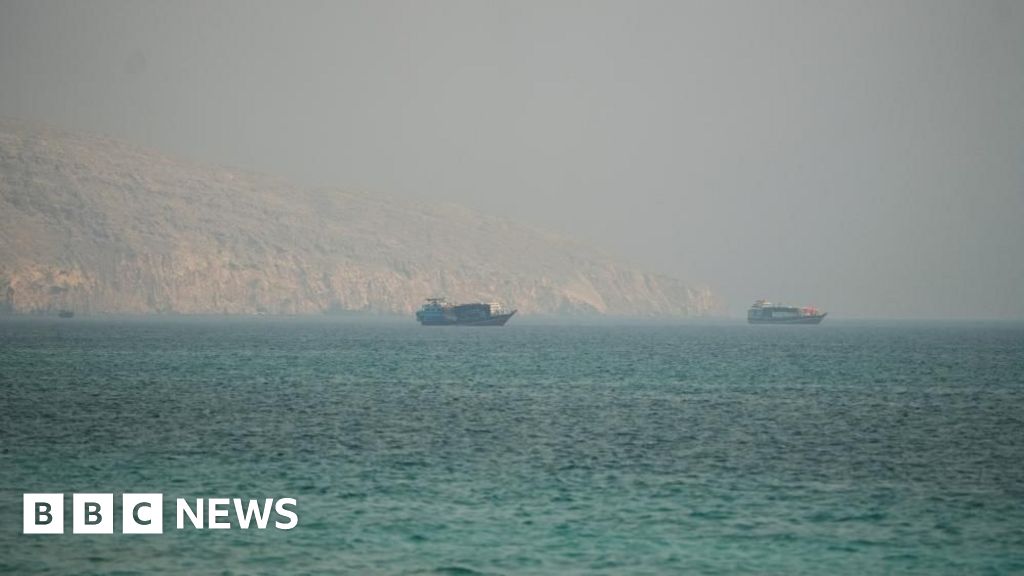


President Donald Trump said the United States is reinstating a naval blockade on Iran and will charge a 20% fee on cargo moving through the Strait of Hormuz, escalating a maritime standoff that has already driven tanker traffic down and pushed oil prices higher.
The latest move follows a sequence of attacks on ships in and around the strait, including the reported Iranian strike on two tankers, and a rapid exchange of missile and drone fire between US and Iranian forces over the weekend and into Monday.
Tehran had already declared the waterway closed on July 11 after what it called an “unauthorised transit,” and then said passage would remain suspended until “stability and calm” returned.
The interim peace deal that had briefly eased tensions began to unravel after those shipping attacks, with both sides accusing the other of violating the arrangement. US strikes on Iranian targets were followed by Iranian retaliation against US military facilities and regional shipping, turning the Strait of Hormuz back into the main flashpoint in the conflict.
How the Strait closed
Tehran’s declaration that the strait was closed until further notice was tied to the IRGC navy’s enforcement campaign at sea. Reuters reported that the Guards said a vessel had been stopped after attempting to transit on an unauthorized route, and state media said the IRGC would not allow normal traffic to resume until U. military pressure ended.
That matters because the IRGC is Iran’s most aggressive maritime actor in the Gulf, and it has repeatedly used warnings, interceptions and limited strikes to assert control over the passage. In the days before the blockade announcement, the Guards were already warning ships against using routes they had not approved, and some tankers reportedly altered course after those warnings.
The IRGC’s maritime playbook
The IRGC’s approach combines signaling and force: warning shots, vessel boardings or stoppages, public claims of closure, and threats that tie maritime access to Iran’s broader demands against the United States.
The Guards said continued interference could lead to bigger incidents in the global oil and gas sector, while earlier reporting showed the navy had declared the strait closed after firing at or halting vessels it deemed noncompliant.
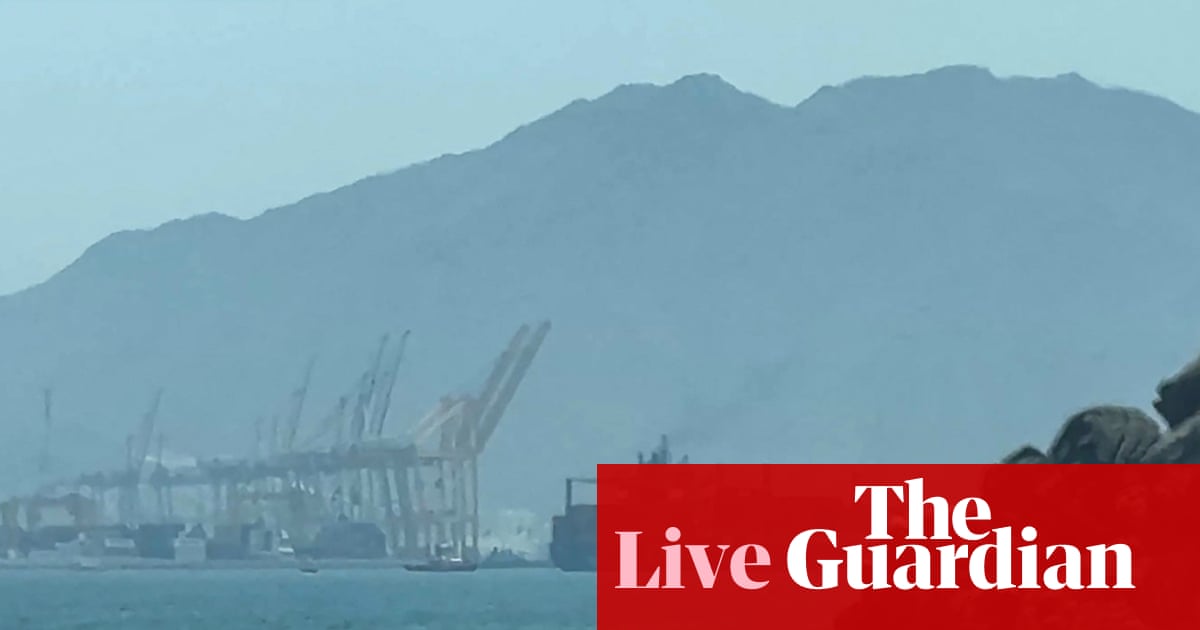
Iran’s attacks on ships in and around the Strait of Hormuz have become a central feature of the confrontation. The New York Times reported that the Revolutionary Guards fired at least two missiles at commercial ships transiting the waterway, while UK maritime monitors later described tankers being struck by an unknown projectile and set on fire near Oman’s coast.
The IRGC has framed the attacks as enforcement actions, saying vessels were ignoring Iranian warnings, using unauthorized routes, or moving through the strait without approval. In one earlier episode, the Guards reportedly fired on and seized cargo ships after accusing them of compromising maritime security, while later reports showed Tehran warning that any ship failing to follow its approved corridor could be targeted.
The attacks have not always produced casualties, but they have repeatedly damaged ships, forced route changes, and raised the threat level for commercial traffic to “severe”. US Central Command said it launched retaliatory strikes after Iran violated a ceasefire by attacking commercial vessels, including dozens of targets linked to Iranian maritime capability.
In practical terms, the Guards are trying to convert a globally shared chokepoint into a bargaining tool. That has made navigation through Hormuz more unpredictable even before any formal US blockade, because shipping firms respond not only to legal orders but also to the risk of interception, damage and insurance losses.
Trump’s fee gambit
Trump said the US would be “reimbursed” at a rate of 20% on all cargo shipped through the strait, framing the move as payment for the cost of securing what he called a volatile passage. He posted that the Hormuz Strait is open and will remain open “with or without Iran,” while promising the process would begin immediately without giving operational details.
The proposal drew swift legal and diplomatic criticism. The UN’s International Maritime Organization said it opposes fees on ships passing through maritime waterways and that there is no legal basis for mandatory tolls simply to transit an international strait.
The fee proposal also clashes with Secretary of State Marco Rubio’s earlier warning that tolling Hormuz would violate international law. In March, he said the strait is an international waterway and that “no country on Earth” has the right to charge for passage, making Trump’s new plan a stark reversal of the administration’s own position.
Iran responded with a mix of sarcasm and policy signaling. Foreign Minister Abbas Araghchi wrote that “whoever provides secure and safe passage” through Hormuz should be compensated, but said Trump’s 20% demand was excessive, adding: “We will be fair”. In effect, Araghchi tried to flip Trump’s argument back on Washington, portraying Iran as the rightful guardian of the strait while dismissing the US fee as overreach.
POTUS is absolutely right. Whoever provides secure and safe passage of commercial vessels through the Strait of Hormuz should be compensated for this service.
— Seyed Abbas Araghchi (@araghchi) July 13, 2026
Iran has always been the GUARDIAN of the Strait and will remain so FOREVER.
20% is of course too much. We will be fair
Market shock and legal blowback
The market reaction was immediate, with tanker traffic through Hormuz already at near-standstill levels and oil prices rising on fears of further disruption. Traders were treating the risk as far more than rhetoric, since any interruption in Hormuz can ripple quickly through fuel costs, shipping insurance and global supply chains.
Iran’s response was mocking and defiant rather than conciliatory, with officials portraying the fee demand as proof that the US was trying to monetize force at sea. The wider concern is that, once a major power begins treating passage through an international chokepoint as a revenue stream, the precedent could be as destabilizing as the blockade itself.
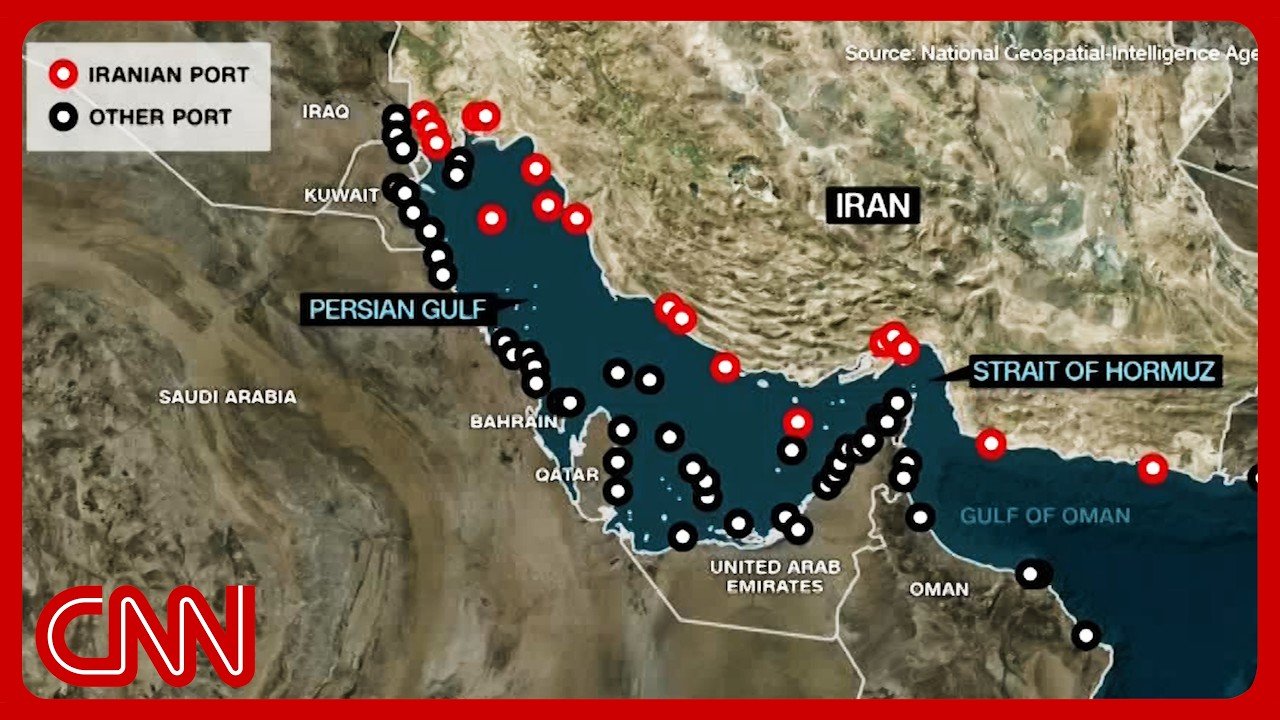
Why Hormuz matters
The Strait of Hormuz is one of the world’s most consequential energy chokepoints, and even limited military action there can affect prices far beyond the region. With the IRGC enforcing its own rules, US forces retaliating, and shipping operators already pulling back, the immediate question is whether the crisis becomes a short-lived surge in pressure or a durable break in the flow of Gulf trade.