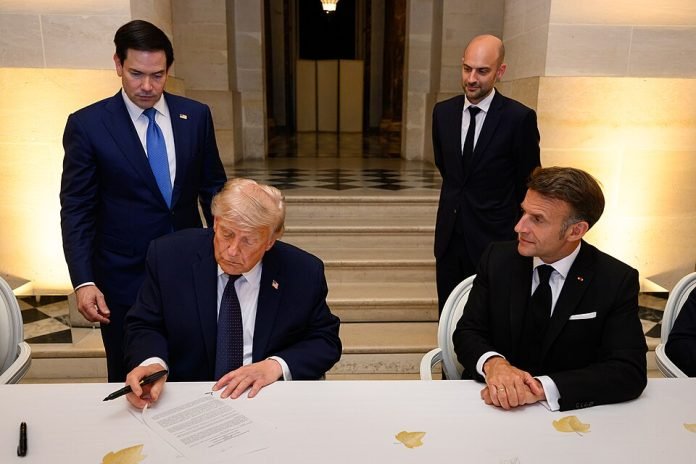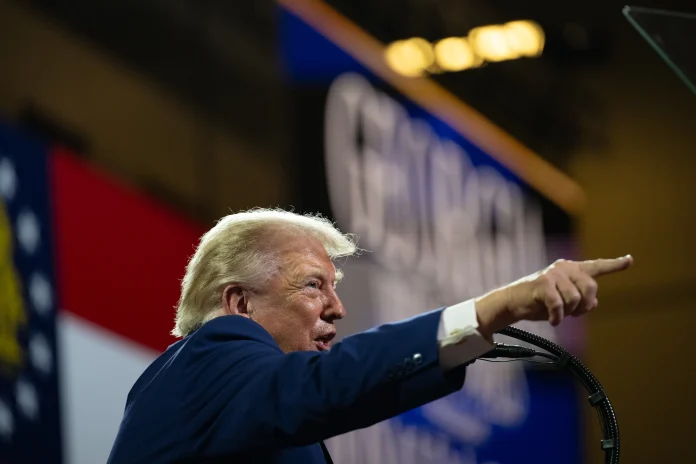






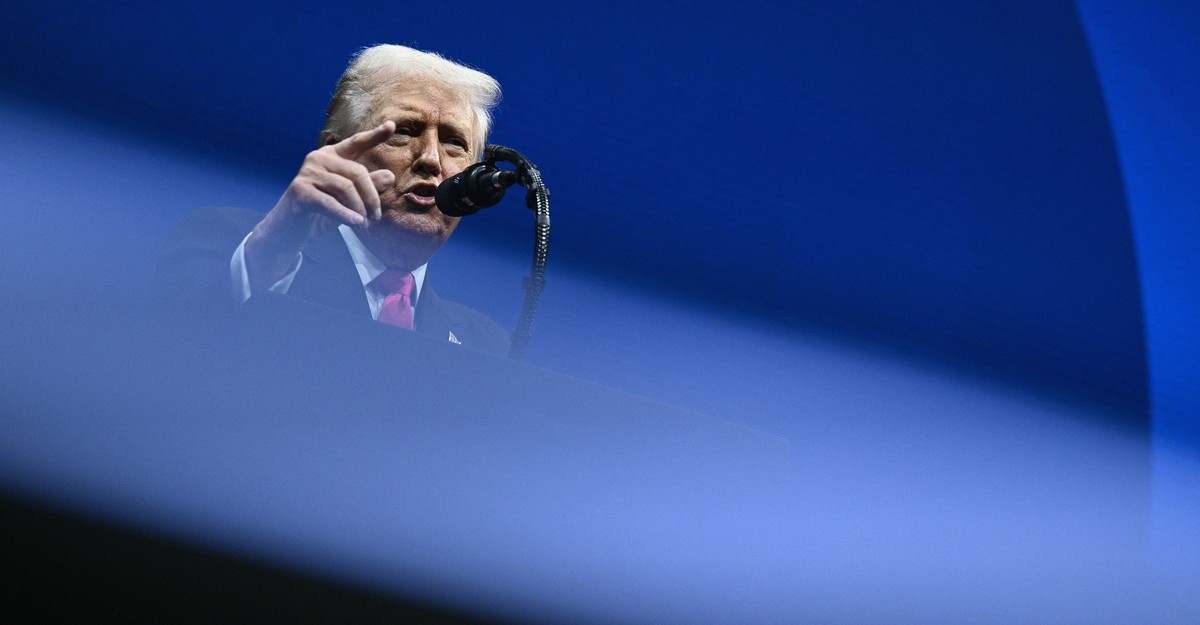
US President Donald Trump has issued his starkest warning yet to Iran, framing ongoing diplomatic efforts as Tehran’s “last chance to sign a good document” before facing devastating military action. While Trump paired his optimism over purported “all-day negotiations” with an explicit threat of military “decapitation” if the talks fail, Iran continues to flatly deny that any direct negotiations with the United States are taking place.
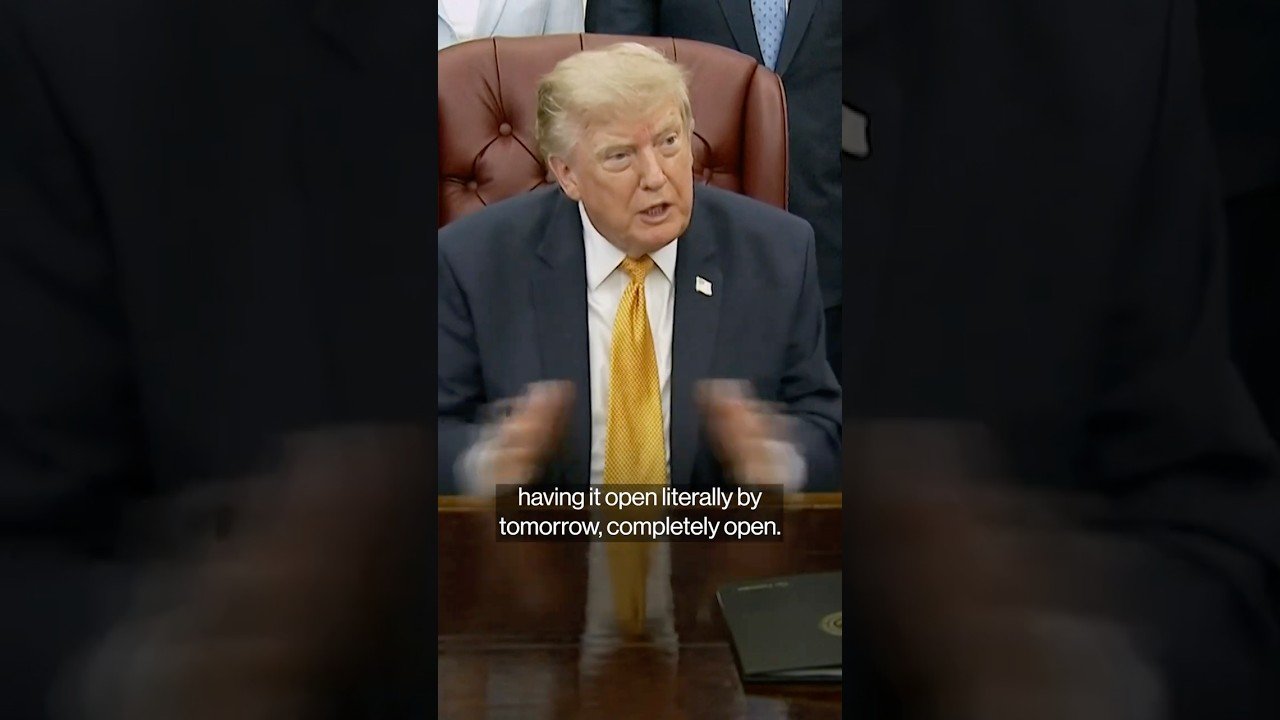
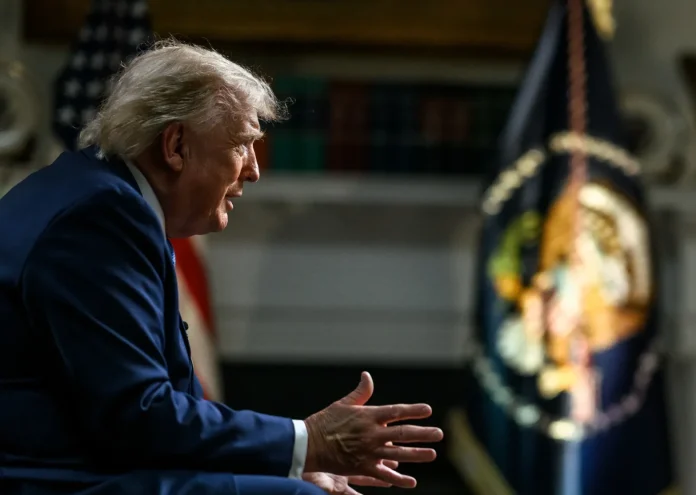
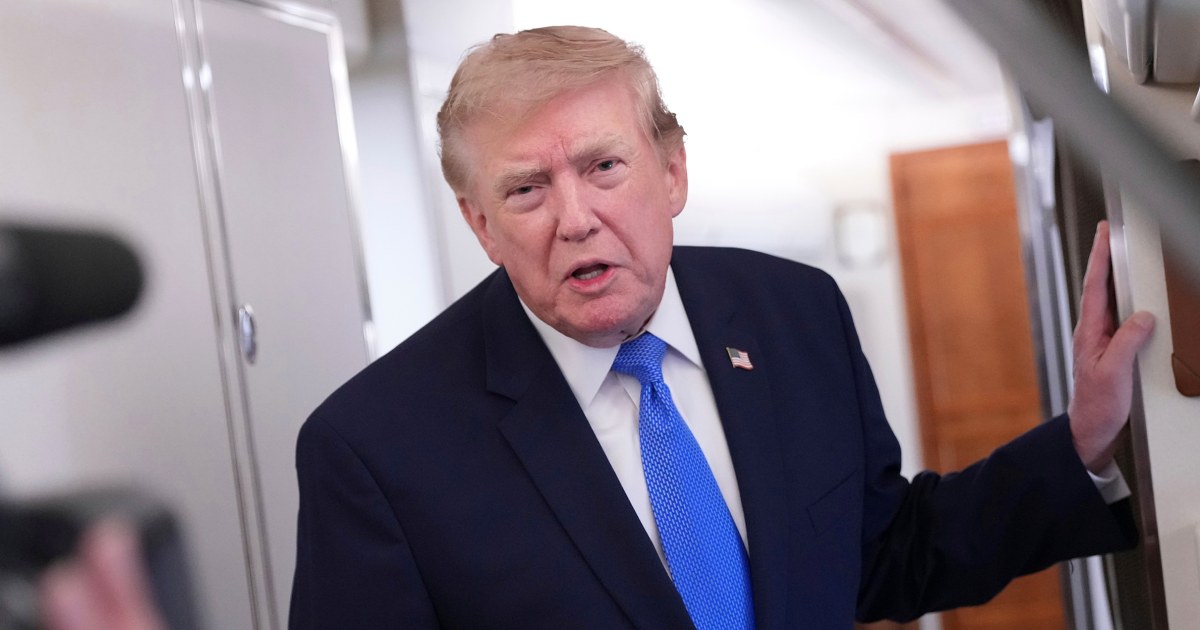
In remarks from the Oval Office, Trump stated he wants to give Iran “every last chance before decapitation”, adding that things will move quickly “one way or the other.” This threat follows Trump’s decision to call off a massive, prepared military strike against Iranian energy infrastructure and power plants, a move he claimed was made at the request of Iran and Gulf nations.
After Iran denied holding talks, Trump publicly lashed out, calling the Iranian leadership “unbelievably duplicitous” and insisting that productive discussions had occurred.
Iran’s denial: Trump has “run out of steam”
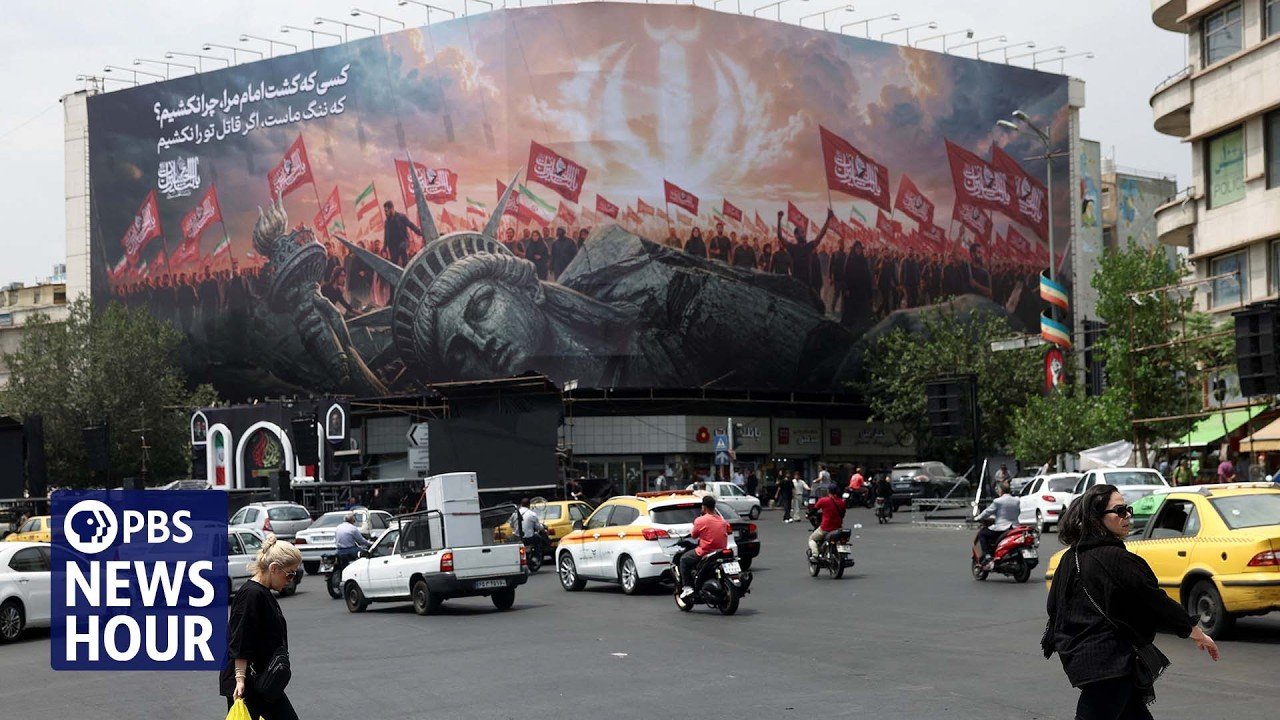
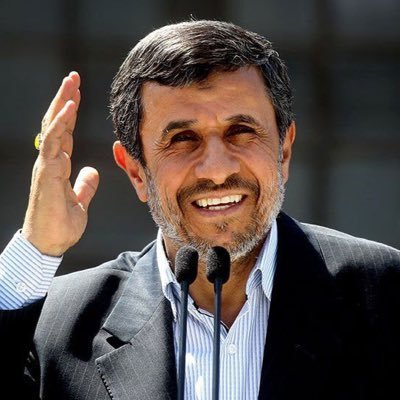
Iran’s Foreign Ministry spokesman, Esmaeil Baghaei, firmly stated that Tehran has “no plans to receive a delegation or send an Iranian one” to meet with the US Iranian state media clarifies that their only active negotiations are being held with Oman, discussing a new, temporary commercial shipping route with established entry and exit lanes to bypass the layout of the ongoing conflict.
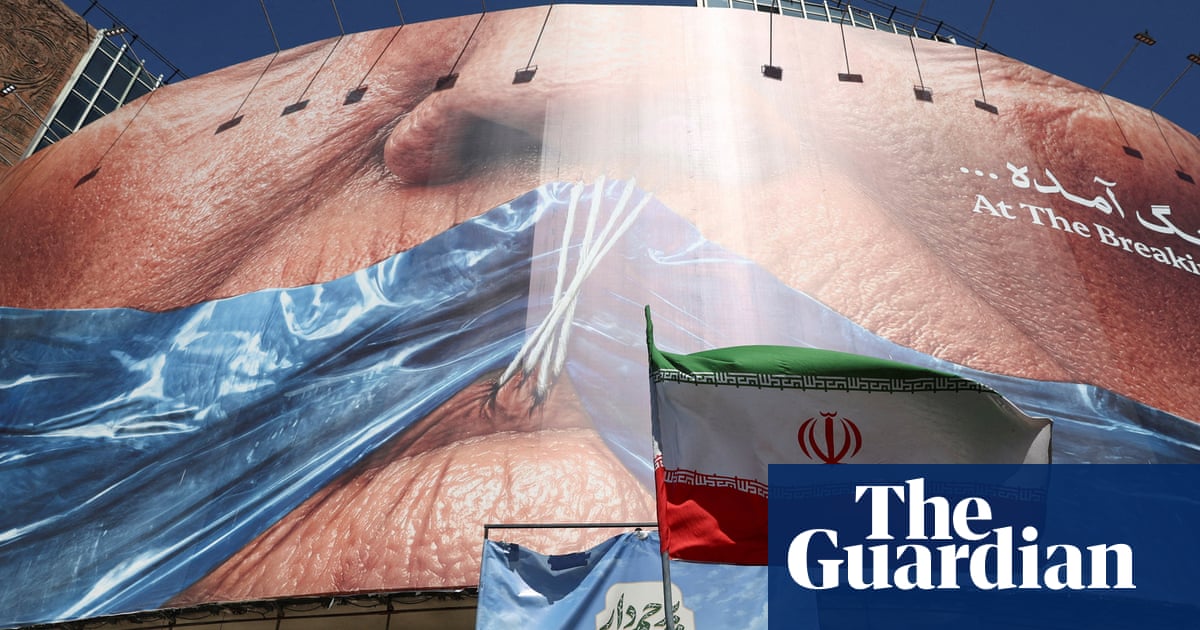
Internal Iranian factions and state media have openly mocked Trump’s warnings, framing his paused strikes as a sign that he has “run out of steam” rather than a diplomatic favor.
Gulf states fear all-out war
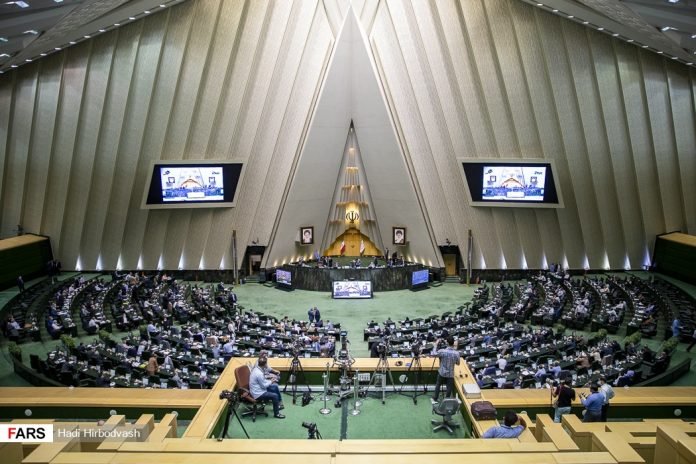
The core of the military crisis remains the Strait of Hormuz, which Iran closed on February 28, crippling global energy shipping routes. Trump has vowed to intensify bombing until the critical waterway is cleared.
Saudi Arabia’s Crown Prince Mohammed bin Salman held an emergency call with Trump, urging dialogue and de-escalation. Gulf nations increasingly fear that an all-out US-Iran war will trigger devastating proxy drone and missile attacks across their own sovereign territories.
In response to the shifting threats, US embassies across the Middle East have proactively warned American citizens to prepare for sudden airspace closures and flight cancellations.
Intermediaries confirm talks ongoing
The diplomatic landscape is complicated by conflicting reports on the nature of the talks. While Trump insists negotiations are underway, regional mediators, including Qatar and Pakistan, are working to facilitate a deal that would reopen the Strait of Hormuz and address Iran’s nuclear program.
A regional official involved in the mediation efforts said that a compromise is being negotiated, centering around having Iran run vessel transit through the Strait of Hormuz with fewer restrictions on ships. The US, for its part, would end its naval blockade on Iran and allow Tehran to export its oil, although no deal has been reached.
The timeline for these talks remains uncertain, with Pakistani officials stating that no date or venue has yet been finalized. Meanwhile, Iran’s Foreign Minister Abbas Araghchi said negotiations with Oman over the Strait of Hormuz were in their “final stages”, but stressed that these talks were bilateral and did not involve the US.