









US President Donald Trump has escalated tensions in the Gulf by threatening military strikes against Oman if the sultanate interferes with American efforts to control the Strait of Hormuz, even as a 60-day ceasefire agreement with Iran expired without a peace deal.
The threat, delivered in an expletive-laced interview with Fox News on August 17, 2026, underscores the deteriorating diplomatic situation six months into the US-Israel war against Iran.
The Oman threat
Trump’s warning came as the June 18 Memorandum of Understanding (MoU) between Washington and Tehran reached its 60-day expiration deadline with no final agreement on Iran’s nuclear programme or management of the strategic waterway.
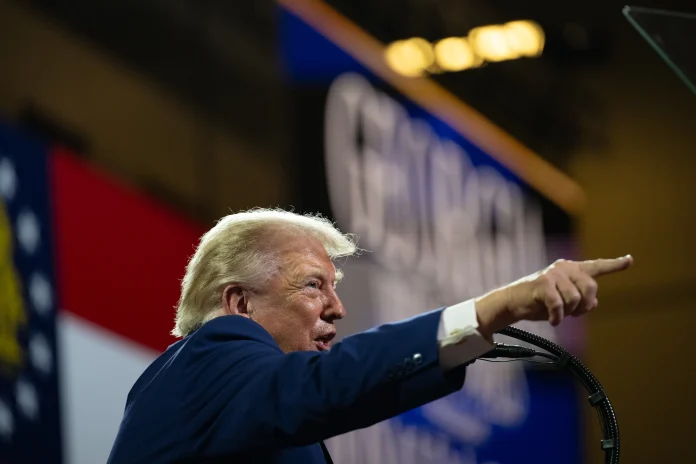
If Oman gets in the way, we’ll bomb the s*** out of them.
Trump stated during a phone interview with Fox News correspondent Trey Yingst.
The outburst followed hours after Iran announced it had reached an independent agreement with Oman regarding transit routes through the strait, bypassing US negotiations entirely.
US officials expressed concern that Oman might agree to terms allowing Iran to charge heavy cargo fees to commercial ships, undermining American sovereignty claims over the waterway.
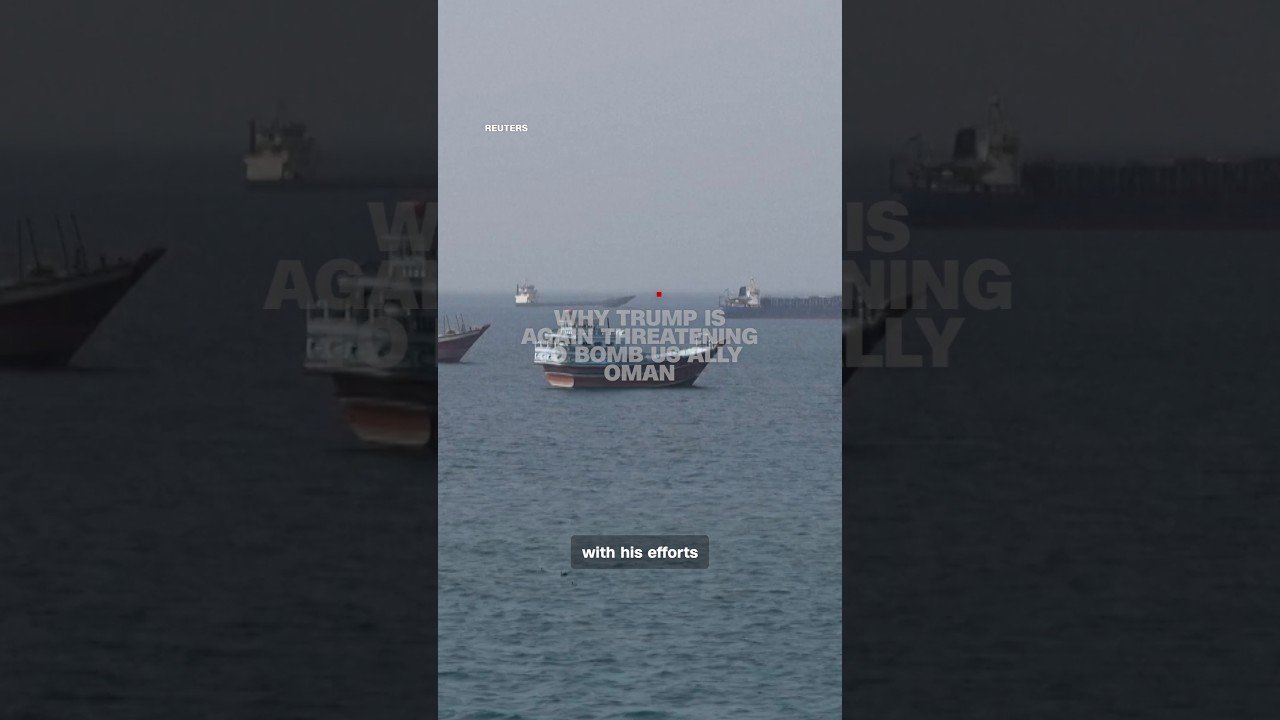
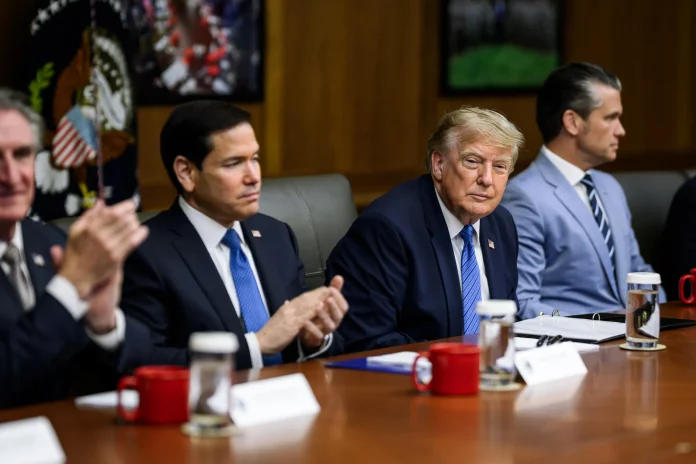
This marks the second time Trump has publicly threatened Oman, which has historically served as a neutral mediator in regional conflicts. During a cabinet meeting in May 2026, Trump warned that Oman must “behave” or the US would “blow them up”. On August 17, he added that Oman had not “behaved very well” but insisted the US could handle them “very easily”.
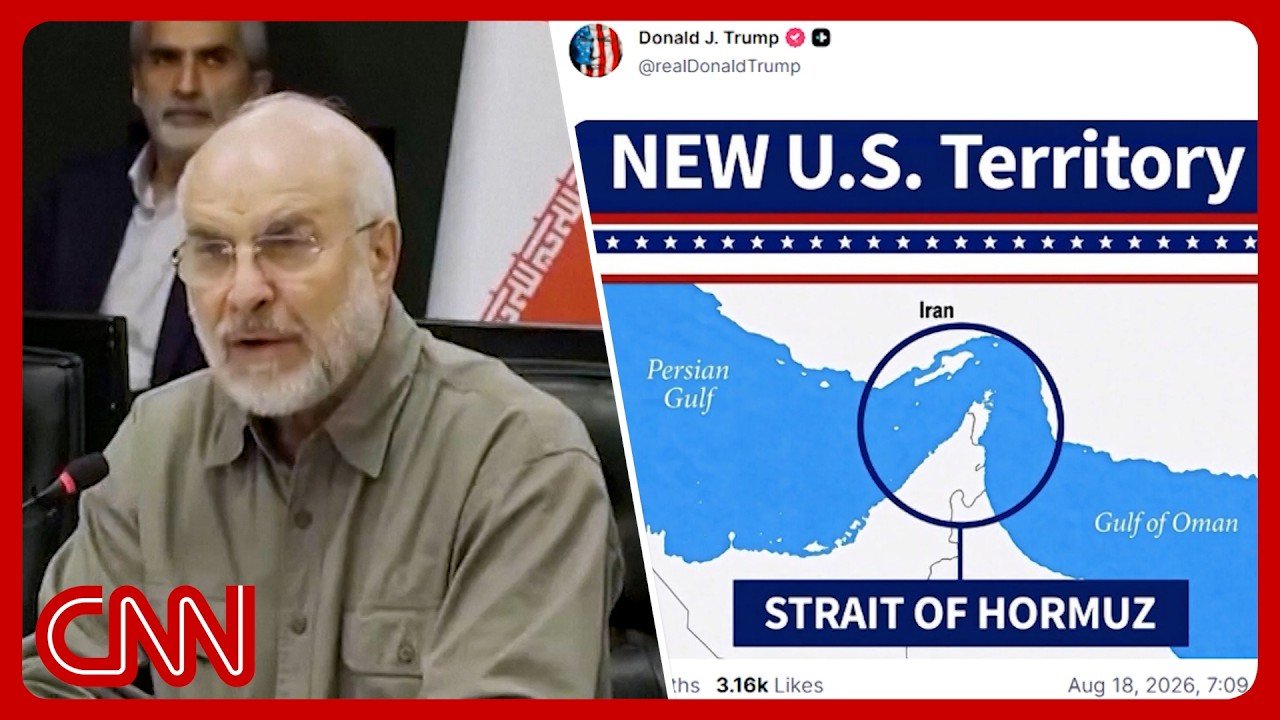
Truth Social Map: “NEW US TERRITORY”
Tensions intensified further on August 18 when Trump posted an AI-generated image on his Truth Social platform labeling the Strait of Hormuz as “NEW US TERRITORY.”
The graphic depicted a map of the crucial maritime chokepoint — including coastal areas belonging to Iran, Oman, and the UAE — with the strait circled inside a bold frame bearing the declaration.
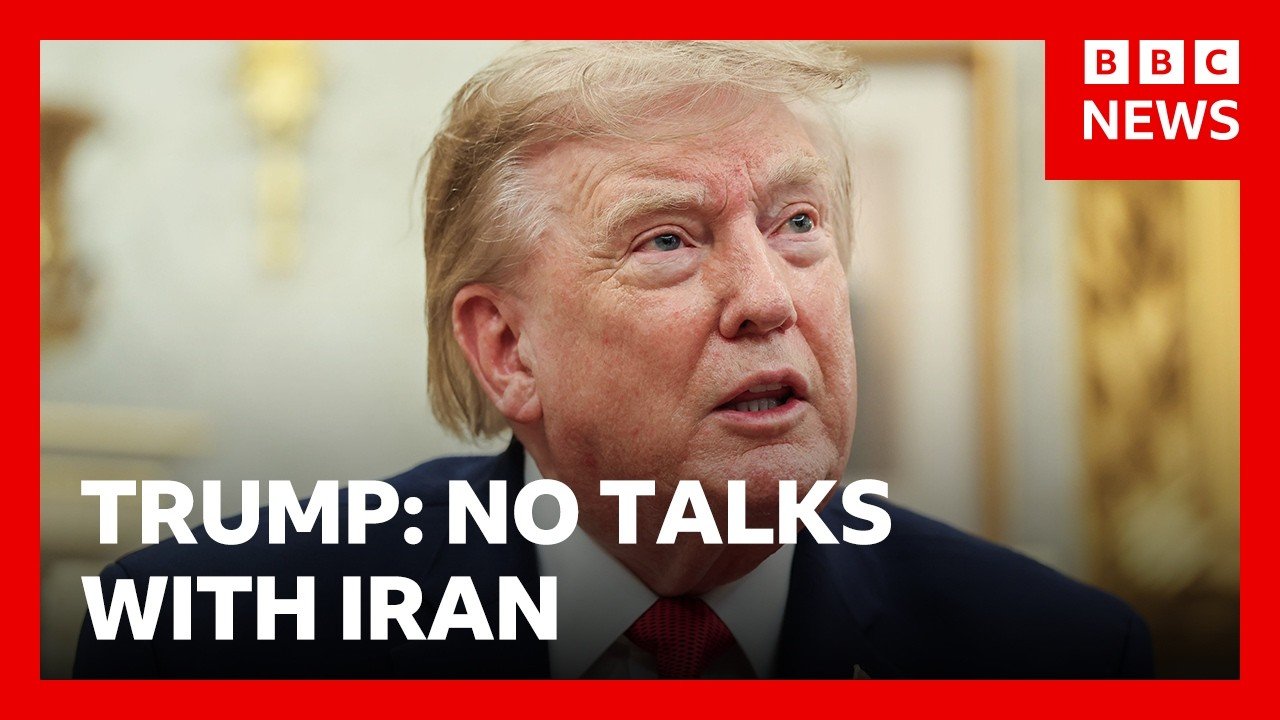
The White House’s official X account subsequently shared a screenshot of Trump’s post, amplifying the provocative messaging. Trump’s social media posts directly contradicted ongoing diplomatic narratives, stating there is no talks or conversations going on, or scheduled, with the Islamic Republic of Iran.” He asserted that the US naval blockade remains in full effect, despite claims from some officials that the strait is “open and operating”.
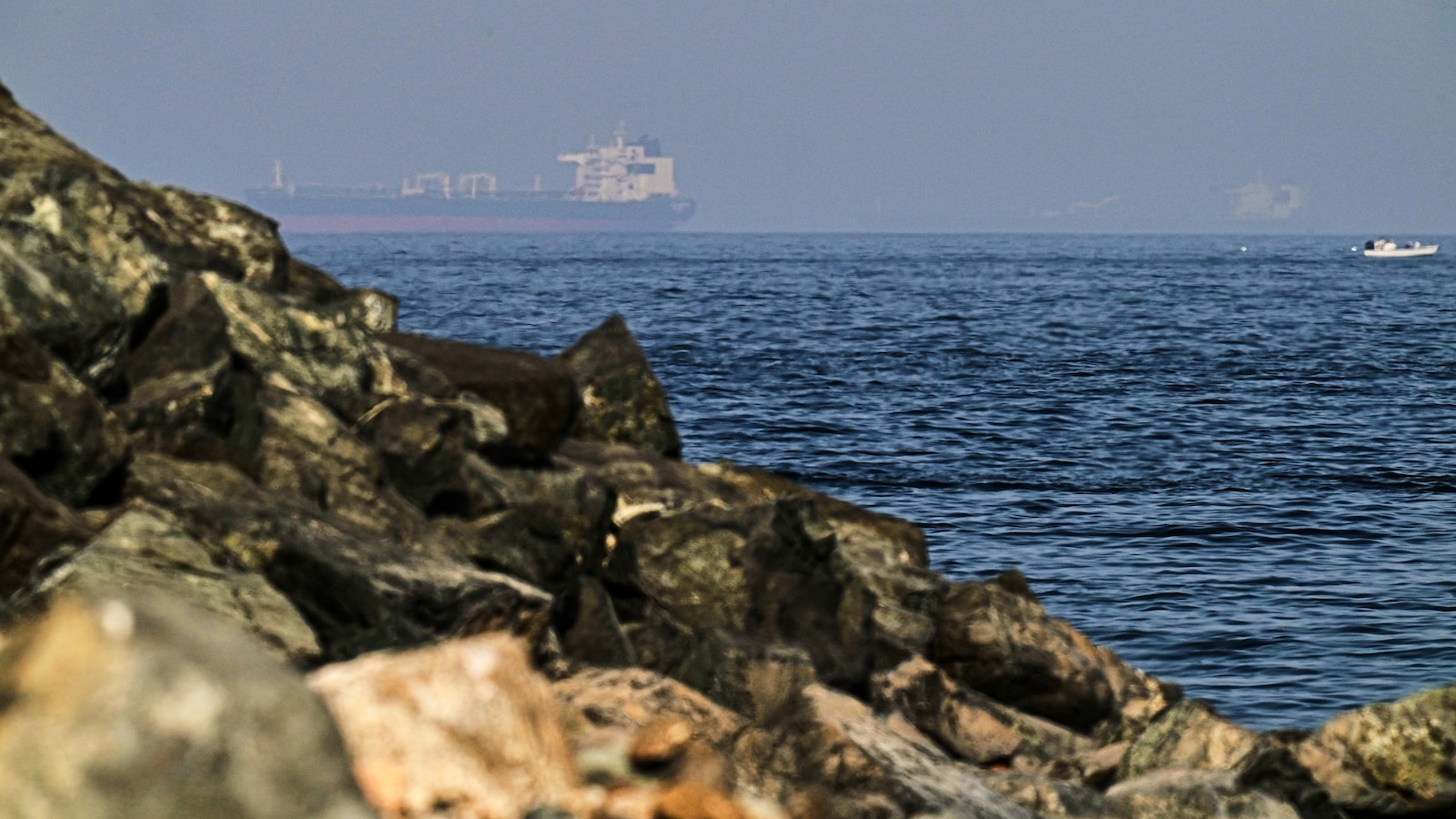
However, US Energy Secretary Chris Wright confirmed that the waterway remains a heavily contested conflict zone requiring daily military escorts for commercial vessels. Ship traffic through the Strait of Hormuz appeared to grind to a halt on August 17 based on Kpler data, underscoring the ongoing disruption to global energy flows.
Regional reaction
Iran responded defiantly to Trump’s territorial claims. Deputy Foreign Minister Kazem Gharibabadi blasted the posts as “delusions”, reaffirming that the strait is and will remain Iranian territory. In a satirical counter-move, Iran’s Consulate General of the Islamic Republic in Hyderabad posted a map on X highlighting California as “New Territory of the Islamic Republic of Iran”.
NEW TERRITORY OF ISLAMIC REPUBLIC OF IRAN https://t.co/ztkafmWLtZ pic.twitter.com/OdOQnNS3h3
— Iran In Hyderabad (@IraninHyderabad) August 18, 2026
Iranian officials also signaled a shift in military posture. An Iranian official told Reuters that Tehran would move to a “fully offensive” stance if diplomacy failed, warning of “timely and precise” military attacks to break the US naval blockade.
Esmail Baghaei, an Iranian spokesperson, stated that negotiations never truly began because the United States committed “gross and widespread violations” of the MoU shortly after signing it on June 18.
The United Arab Emirates reported detecting two ballistic missiles fired from Iranian territory toward its soil on Tuesday, August 18. Following the incident, the UAE announced a total halt to all trade and financial transactions with Iran, marking a significant economic escalation.
Oman and Qatar continue working alongside each other to forge an independent shipping agreement with Iran, despite Trump’s threats. The sultanate has maintained talks with Tehran to reopen the waterway safely, even after previous retaliatory missile strikes from Iran during the conflict.
Economic impact: Oil prices surge
The ongoing standoff has sent shockwaves through global energy markets. Oil prices climbed above $90 per barrel following the expiration of the ceasefire deadline, while US gasoline prices pushed past $4 per gallon.
The Strait of Hormuz typically carries around one-fifth to one-quarter of the world’s seaborne oil trade, making any disruption to the waterway a critical concern for global energy security.
US Position: No surrender, no talks
Trump has maintained a hardline stance throughout the crisis, repeatedly calling on Iran to “put up the white flag of surrender” rather than negotiate. The White House confirmed on Monday that it would not seek to extend the MoU, effectively ending the 60-day ceasefire framework.
Administration officials insist that Iran must completely surrender its nuclear ambitions and have objected to any foreign control over what they consider international waters. However, Iran denies holding any direct backchannel talks with Washington, calling Trump’s negotiation claims “delusions” and accusing the US of violating the ceasefire terms repeatedly.
What happens next
With the MoU expired and both sides accusing each other of violations, the path forward remains unclear. Iran has threatened new offensive operations in the Strait of Hormuz if diplomacy fails, while the US maintains its naval blockade and territorial claims. Oman and Qatar continue their mediation efforts, though Trump’s threats have complicated their ability to operate independently.
The situation represents one of the most volatile moments in the six-month conflict, with the risk of miscalculation heightened by Trump’s inflammatory rhetoric and Iran’s stated willingness to escalate militarily.