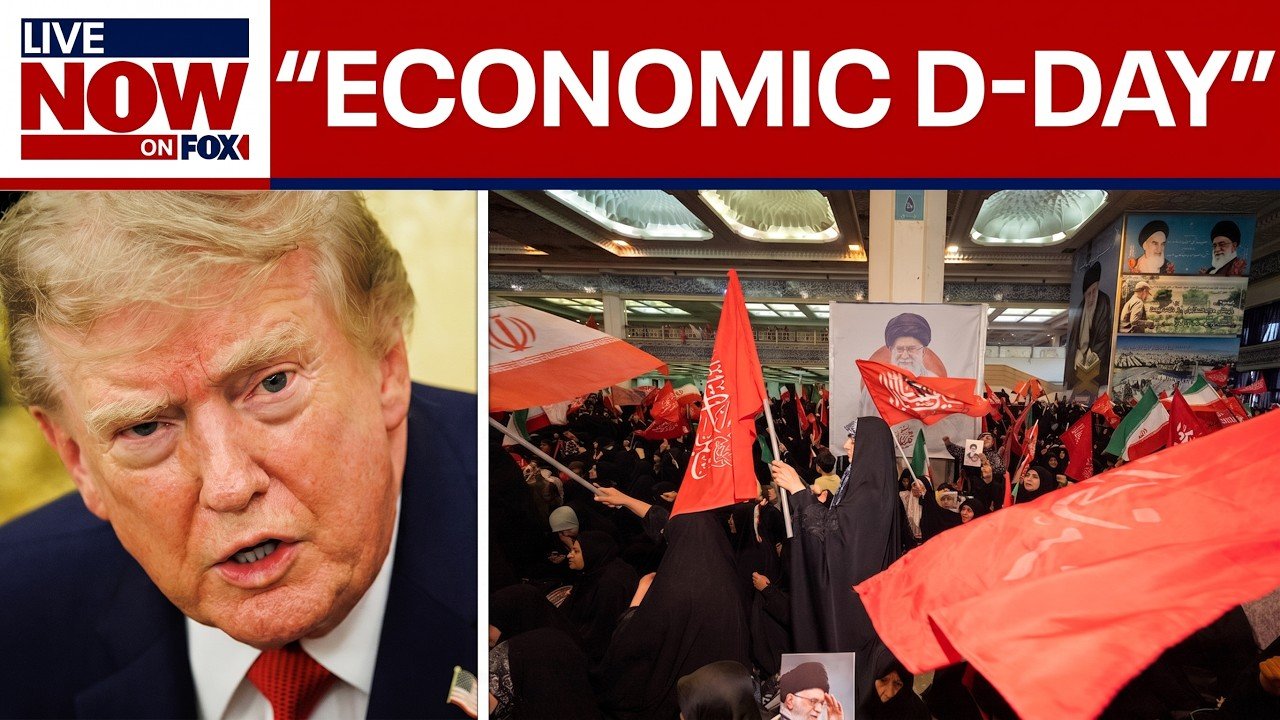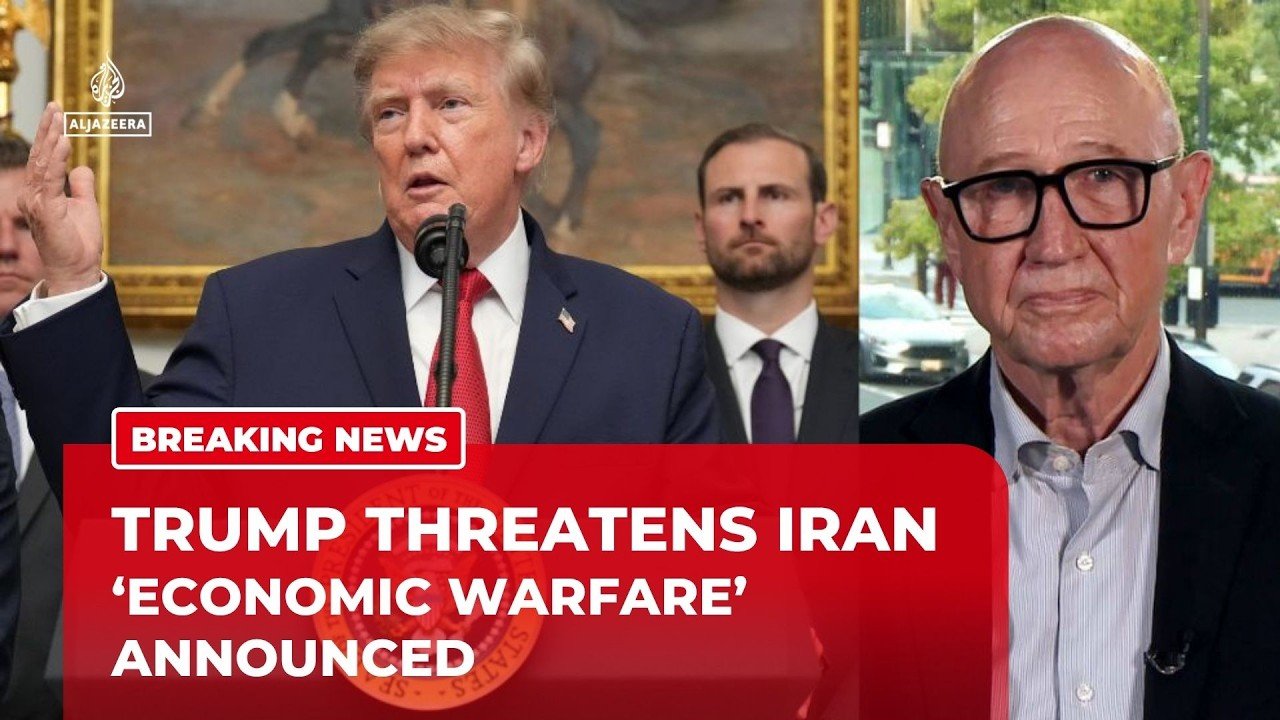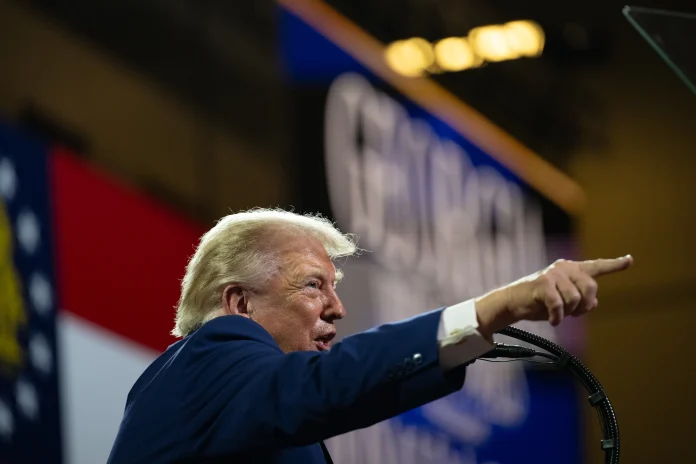

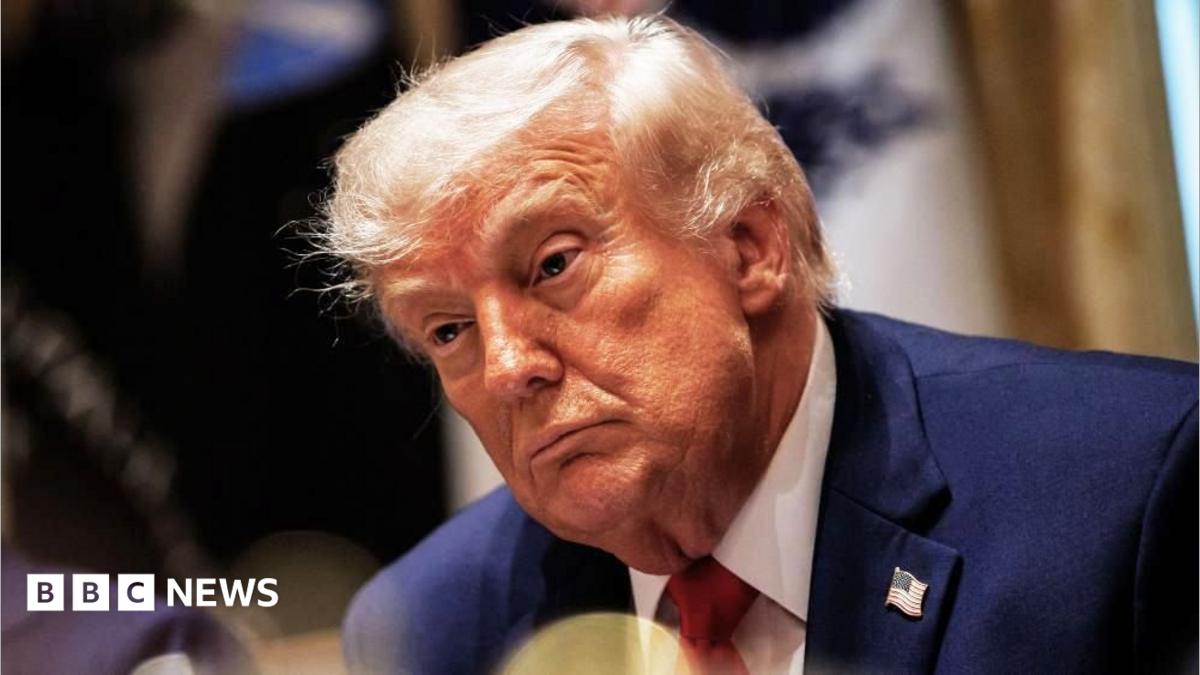


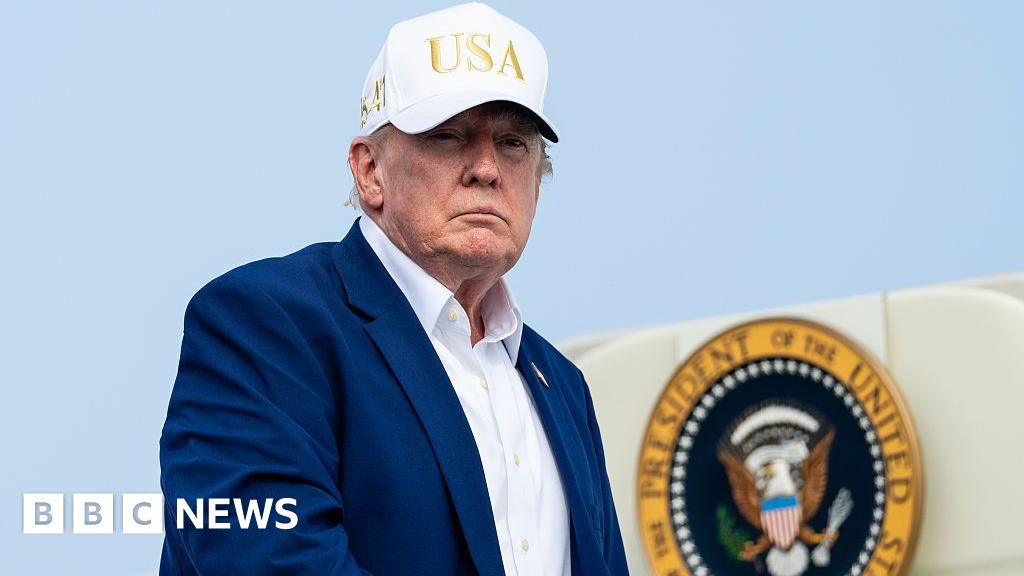


US President Donald Trump has launched what he calls an “Economic D-Day” against Iran, vowing the “most crushing economic operation ever taken against any country” in a bid to break a months-long stalemate in the nearly six-month-old US–Israel–Iran conflict.
The announcement, made via Truth Social on 19 August 2026, extends the administration’s wider pressure campaign dubbed Operation Economic Fury and threatens severe secondary sanctions on any nation, bank, or business that continues to provide Tehran with an economic lifeline.
Trump’s message framed the move as economic warfare and isolation on an “unprecedented scale” and singled out mechanisms used to evade existing sanctions—oil smuggling, swap lines, cash transfers, exchange houses, ship registries, and front companies—saying “it all needs to stop NOW.”
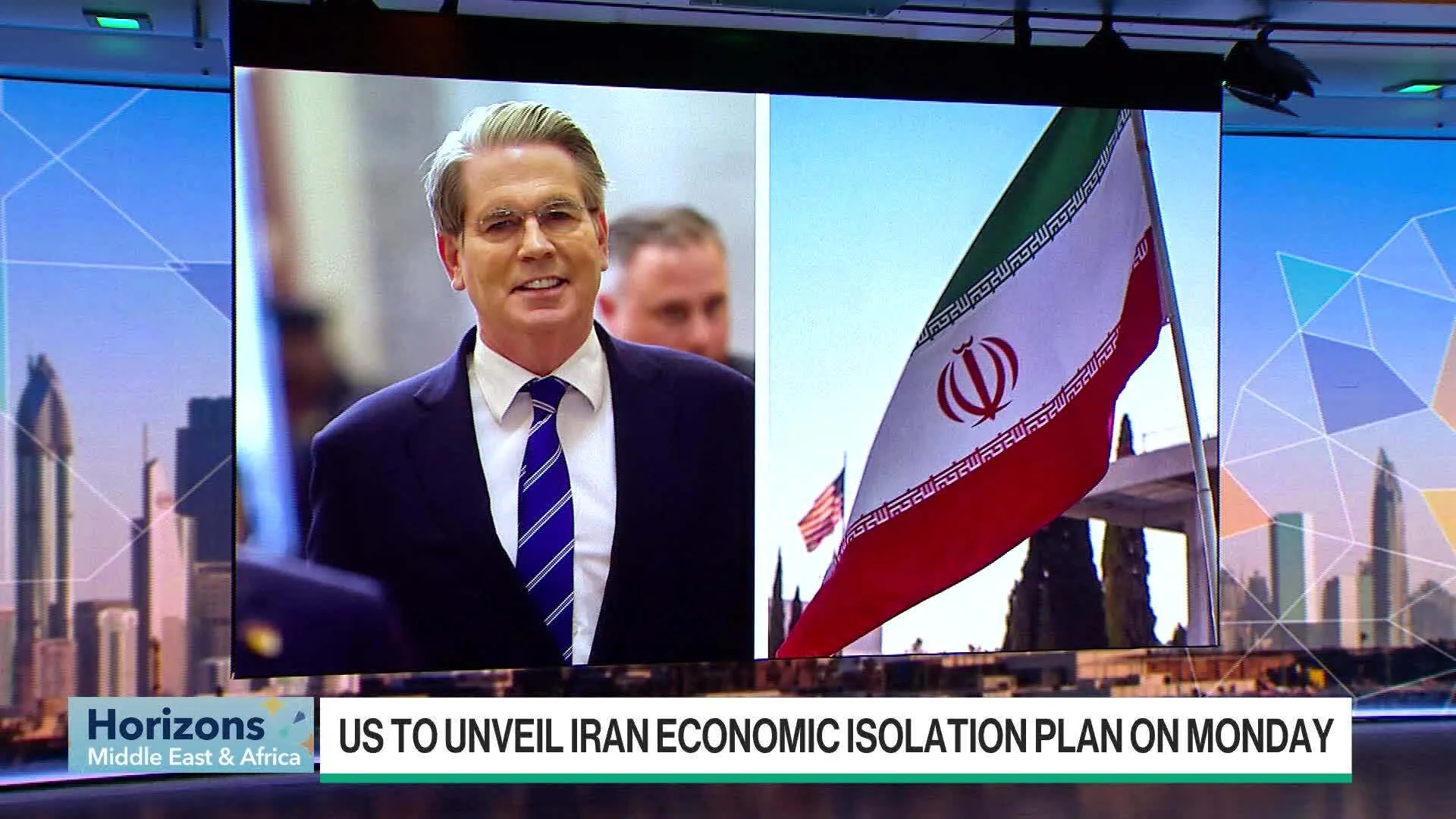
However, the president did not specify the exact new measures beyond the existing heavy sanctions and naval blockade already in place, leaving markets and allies to await details from Treasury Secretary Scott Bessent, who has said a press conference on 24 August 2026 will unveil the “strongest-ever sanctions on Iran” and the mechanics of enforcement.
Analysts note that with most of Iran’s energy, financial, and transport sectors already sanctioned, the next phase likely hinges on secondary sanctions against third-country actors—especially Chinese refiners and banks—that continue to buy or process Iranian oil.
The wider pressure campaign: Operation Economic Fury
Operation Economic Fury, launched in April 2026, has already seen more than 1,000 individuals, aircraft, and vessels sanctioned since January 2025, alongside a US-led naval blockade on Iranian ports and the freezing of an estimated $500billion in cryptocurrency linked to Iranian entities.
The administration’s goal is to force Tehran to end its nuclear program and fully reopen the Strait of Hormuz, through which a significant share of global oil shipments pass and where traffic has fallen to less than a quarter of pre-war levels.
Treasury has previously targeted smaller China- and Hong Kong–based entities accused of processing billions in Iranian oil proceeds and has warned larger Chinese banks they could face secondary sanctions if Iran-linked funds move through their systems. The new phase appears designed to close remaining loopholes by pressuring allies and partners that have not fully cut ties with Iran.
Global and regional reactions: defiance, realignment, and rupture
Iran dismisses ‘Economic D-Day’ as delusional
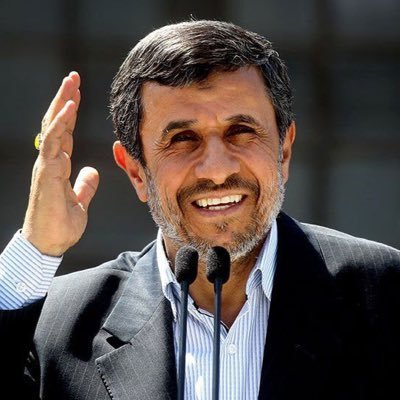
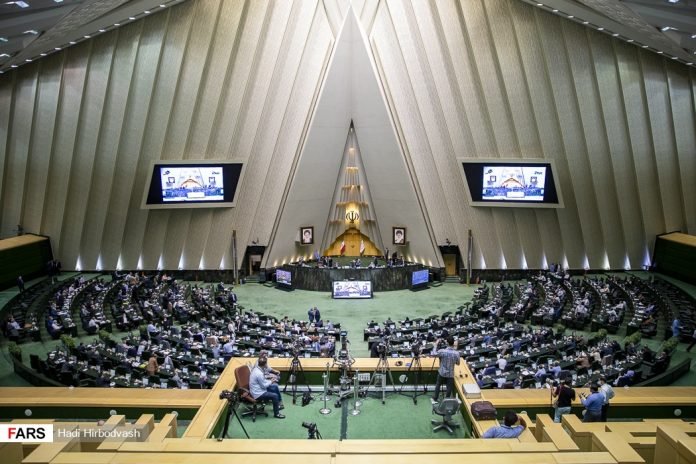
Iranian officials have brushed off Trump’s threats as a distraction from domestic US issues. Foreign Minister Abbas Araghchi warned the “so-called ‘Economic D-Day’” would bring “further defeat to Washington,” while parliamentarians framed the economic battlefield as one where regional traders are “soldiers and commanders.”
The so-called “Economic D-Day” is a diversion from America's own crisis: unprecedented debt & surging interest costs.
— Seyed Abbas Araghchi (@araghchi) August 20, 2026
Doubling down on failed policies will only bring further defeat—and enmity of Iranians. US economic terrorism threatens global economy and sovereignty worldwide pic.twitter.com/Qj5SzVBjvX
Tehran has long survived decades of sanctions, and analysts caution that additional pressure may prompt escalation rather than capitulation.
UAE severs trade after missile accusations
In a sharp regional shift, the United Arab Emirates announced on 19 August that it is suspending all trade, commercial exchanges, and financial transactions with Iran until further notice, citing “escalations that undermine regional and international peace and security.”
The move followed UAE claims that two ballistic missiles launched from Iran targeted maritime traffic in the Persian Gulf; both missiles fell into the sea, with one landing in Emirati territorial waters. Iran denied responsibility, calling the incident a “false flag operation.”
The UAE had been one of Iran’s key commercial partners and a critical re-export hub that helped Tehran absorb some sanctions shocks; its indefinite embargo could significantly narrow Iran’s remaining economic escape routes.
Oman and Tajikistan: Iran’s counter-moves
To mitigate mounting pressure, Iran has moved to deepen ties with select neighbors. Tehran says it has finalized a preferential trade agreement with Oman, though Omani confirmation is pending and the deal still requires approval by Iran’s parliament.
Separately, Iran and Tajikistan have agreed on a framework for a long-term oil cooperation deal, covering direct exports of Iranian petroleum products to cover Tajik fuel shortages and regular crude supplies to Tajik refineries; a joint expert group will handle technical details. Current petroleum product exchanges between the two countries total around 800,000 tonnes per year.
China’s stance and the Hormuz choke point
As Iran’s largest oil buyer, China has rejected unilateral US threats and resisted calls to fully align with Washington’s embargo. The US continues to demand Beijing’s help in reopening the heavily constricted Strait of Hormuz, even as Treasury signals it may sanction additional independent Chinese refineries (“teapots”) and potentially larger banks if they touch Iran-linked funds.
What to watch next
- 24 August Treasury reveal: Bessent has promised “never before seen” measures and a detailed implementation plan for Economic D-Day, with secondary sanctions on oil buyers and financial intermediaries widely expected.
- Enforcement vs. blowback: Targeting allies and major economies risks reciprocal measures and potential spillover into US interests, a challenge noted during Trump’s first-term “maximum pressure” campaign.
- Regional fault lines: The UAE’s rupture with Iran, Oman’s tentative trade pact, and Tajikistan’s energy deal illustrate how the sanctions push is reshaping Gulf and Central Asian alignments even as the Hormuz standoff continues.
For Nousworthy readers, the key takeaway is that Washington is betting that financial isolation—backed by threats to third-country enablers—can achieve what military pressure has not: forcing Tehran back to the table on nuclear and shipping demands.
Whether “Economic D-Day” collapses Iran’s regime, as Bessent has suggested, or hardens its resolve, will likely depend on how aggressively secondary sanctions are applied to China and Gulf partners in the coming weeks.