Markets suffer tariff whiplash before snapping back

Jump to Timeline

Global markets were rocked after Trump’s “Liberation Day” tariff announcement on April 2, but they recovered sharply after tariff pauses and a wave of strong tech earnings. The result was one of the most volatile stretches for stocks, bonds and currencies in years.

The initial tariff package, which included a 10 percent baseline levy on nearly all imports and higher country-specific rates, triggered a huge selloff. Over the next two trading days, U.S. markets lost more than $6trillion in value, while the S&P 500, Nasdaq and Dow all fell sharply and the VIX spiked to levels not seen since the early pandemic period.

The shock spread quickly overseas. European equities slumped, Japan’s Nikkei saw a steep one-day drop, Hong Kong suffered its worst session in decades, and several emerging markets imposed emergency trading limits or circuit breakers to slow the panic.

Bonds and currencies

The tariff shock also hit bond markets hard. Treasury yields first dropped as investors sought safety, then surged as fears of a prolonged trade war and inflationary pressure took hold. Long-dated government debt in Japan and the UK also sold off sharply, prompting emergency policy meetings and bond-market adjustments.

The US dollar weakened as trade-war anxiety intensified, adding another layer of instability to already fragile global markets.

The rebound

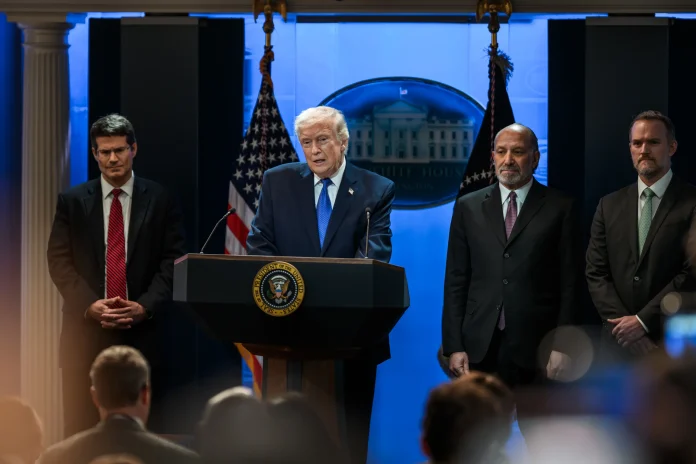
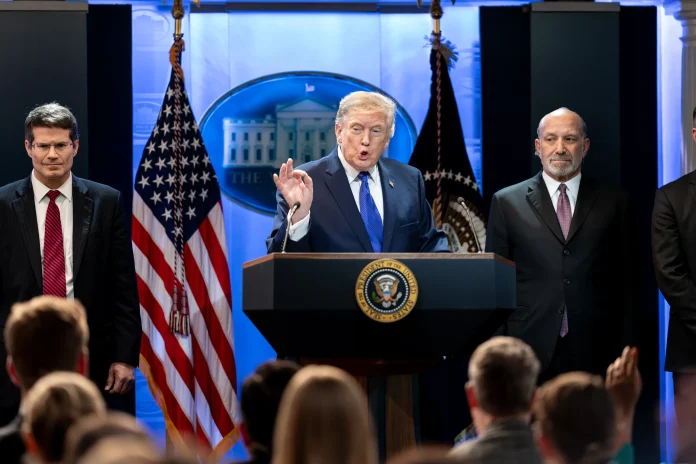
The mood changed dramatically after Trump announced a 90-day pause on most reciprocal tariffs, even as China’s tariff rate was increased. That relief rally, combined with strong tech earnings, triggered a powerful reversal in risk assets.

On April 9, the S&P 500 posted one of its biggest single-day gains in years, the Dow surged, and the Nasdaq jumped more than 12 percent. Treasury yields also eased back from their peak as investors reset their expectations for the policy path ahead.

Why it mattered

The episode showed how quickly tariff policy could ripple through every corner of the financial system, from equities and bonds to currencies and commodities. It also underscored how dependent the market rebound was on policy pauses and optimism around big technology names, rather than any resolution of the trade conflict itself.


Read more:
Trump declares Liberation Day in 2025
The EU reaches deal with US, averting tariffs
The US-UK’s Economic Prosperity Deal

Key widely reported facts from verified sources including BBC, CNBC, WSJ, CNBC TV18, Reuters, APNews, NYTimes, Business Insider

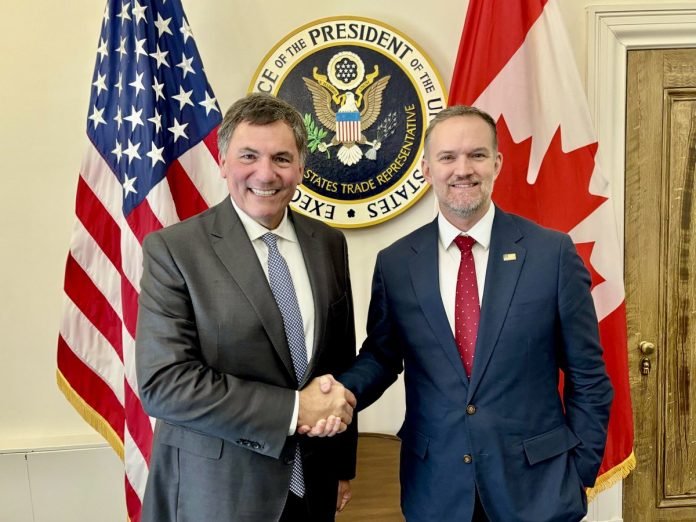
US-Canada trade war escalates after talks collapse over sovereignty clauses

US-Canada trade talks collapse over sovereignty clauses as Trump imposes 50% tariffs. Carney vows dollar-for-dollar retaliation. Trump claims Canada wants "state benefits without being one."
Read more

Trump pauses 50% Canada tariffs after last-minute trade deal

The last-minute delay was announced less than two hours before the crushing duties on more than $20billion worth of Canadian imports were set to take effect.
Read more

US returns $100billion in ‘Liberation Day’ tariffs after Supreme Court defeat

Most of the money collected under Donald Trump’s sweeping import-tax programme has been cleared for repayment, but billions more remain under review.
Read more

Supreme Court rules Trump tariffs illegal, halting $1.4trillion in duties

The Supreme Court's ruling has profound constitutional, fiscal and operational implications beyond the cessation of certain duties.
Read more

US-China trade war reaches one-year truce

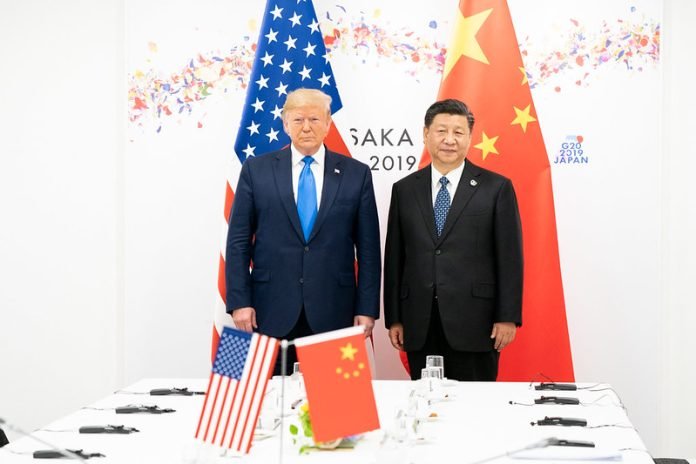
On Oct 30, Trump and Xi Jinping agreed to a one-year trade truce in a meeting in South Korea. Both sides agree to reduce their reciprocal tariffs.
Read more

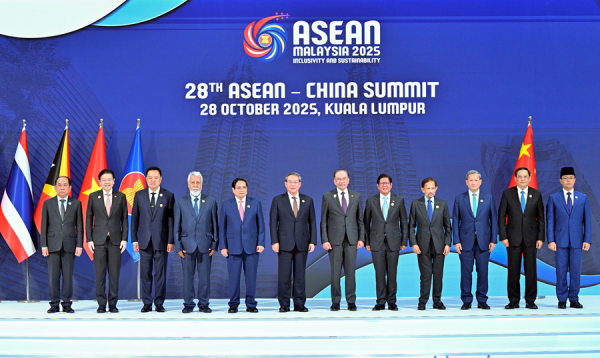
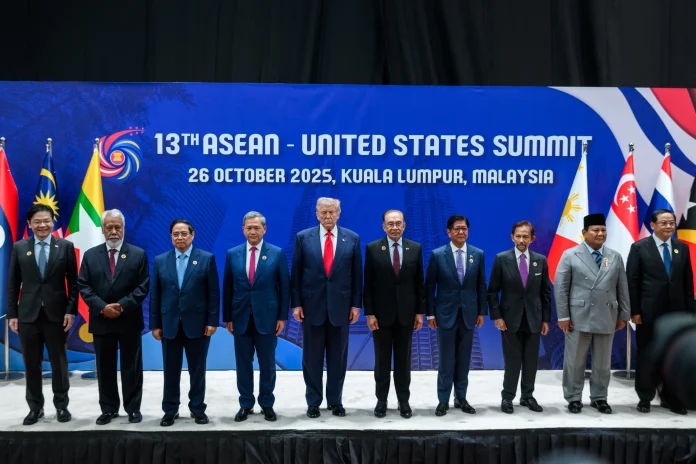
2025 ASEAN Summit: China signs trade pact with ASEAN

The agreement would open the door to greater market access in agriculture, the digital economy, and pharmaceuticals between the two parties.
Read more

2025 ASEAN Summit: US signs trade pacts with four states

These deals were designed to address trade imbalances, reduce tariffs on American exports, and secure supply chains for critical minerals. 
Read more

The EU reaches deal with US, averting tariffs

In July 2025, the United States and the European Union (EU) reached a trade agreement that set a 15% baseline US tariff on most EU exports
Read more

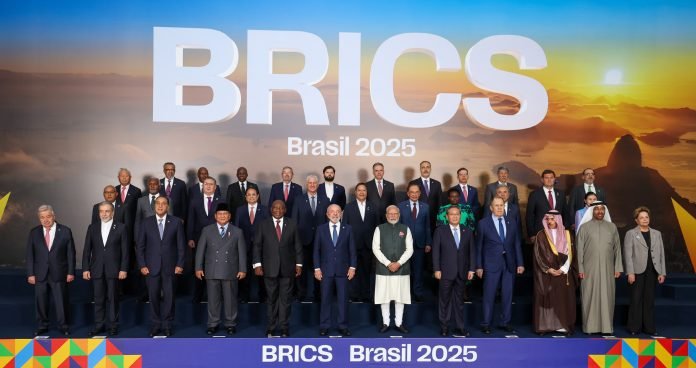
BRICS Summit in Rio adopts 126 commitments on AI, climate and de-dollarisation

The 2025 BRICS summit in Rio was focused on locking in BRICS’ role as a Global South governance bloc across AI, climate finance and others.
Read more

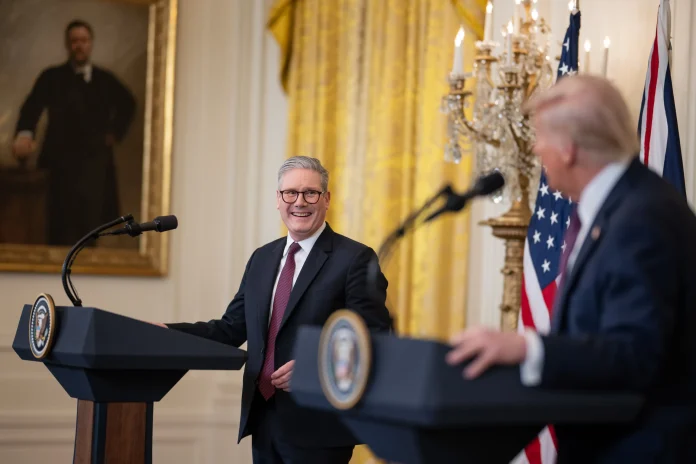
US-UK Economic Prosperity Deal aims to cut tariffs, boost trade

The Economic Prosperity Deal (EPD) was announced in May 2025 by UK PM Keir Starmer and President Trump to de-escalate trade tensions.
Read more
Timeline

Apr 2, 2025: “Liberation Day” announcement of a 10% baseline tariff on almost all imports and “reciprocal” country-specific rates scheduled for Apr 9.

Apr 3 to 4: The Great Sell-off

Markets suffer their worst two-day loss in history, erasing $6.6 trillion in U.S. market value.

Oil prices plunge by approximately $10 per barrel, while Gold hits a record high of $3,167.57 on Apr 3.

Apr 7: Global Contagion; Asian markets reopen to panic selling.

Apr 9: The Policy Pivot

Amid collapsing markets, the administration announces a 90-day pause on the country-specific “reciprocal” tariffs (excluding China) to allow for negotiations.

Apr 10: Renewed Volatility

Stocks plunge again (S&P 500 down 3.5%) as uncertainty remains over the long-term impact of the 125% total tariff now facing China.

Apr 11: Bond Market Peak & Tech Relief

The 10-year Treasury yield peaks near 4.49%. Late in the day, the administration announces exemptions for high-demand tech devices like smartphones and laptops, providing a lift to the “Magnificent 7” stocks.

Late April: Stabilization

Tech earnings and the continued tariff pause help markets find a floor. U.S. 10-year yields subside to 4.17% by month’s end.

Opinion & Analysis

You may also be interested in

LEAVE A REPLY

Please enter your comment!
Please enter your name here