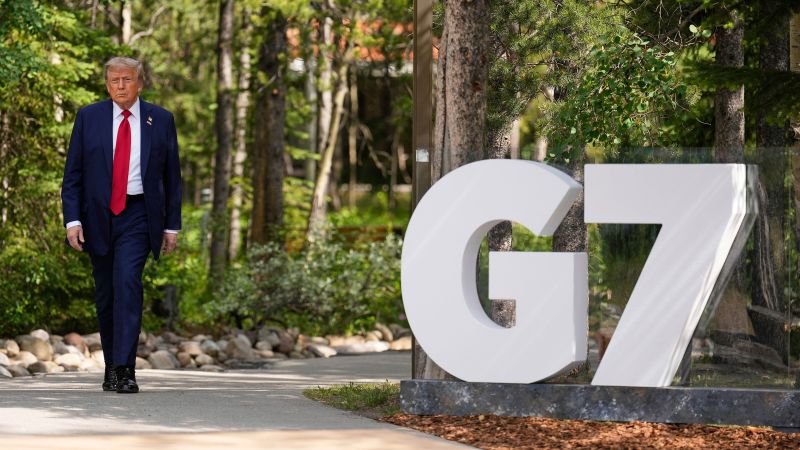
The 51st G7 Summit in Kananaskis, Alberta, ended without a joint communiqué for the first time in the group’s history, as deep divisions over Ukraine, trade and the Israel–Iran war overshadowed the meeting and led to President Donald Trump’s early departure.
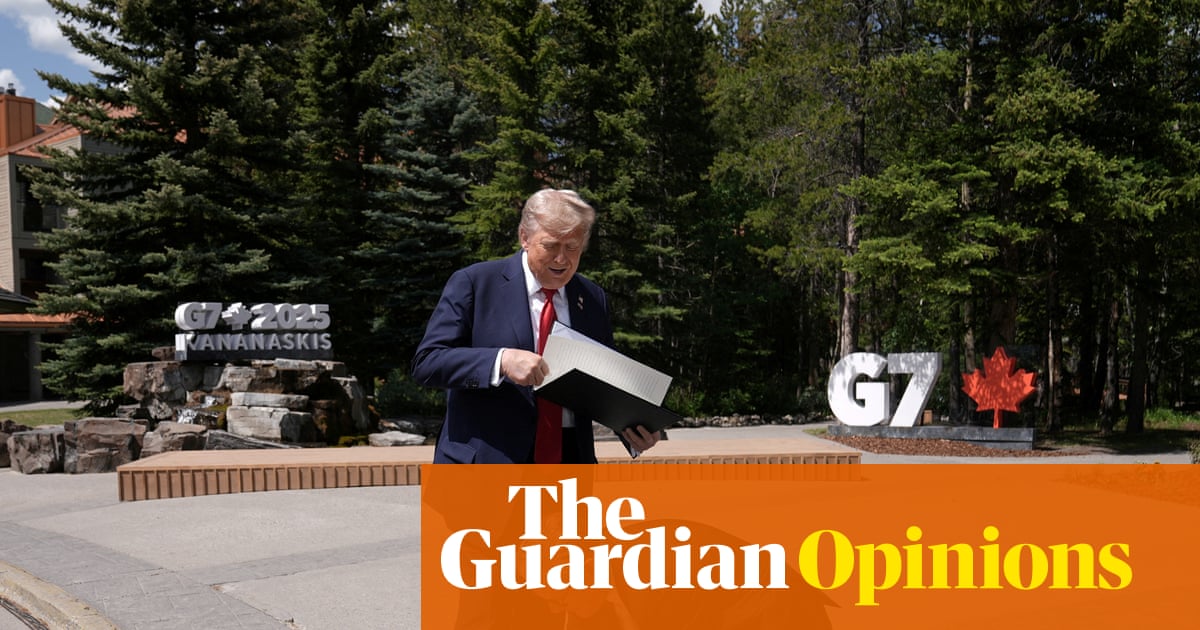
The 2025 G7 summit took place from 15 to 17 June 2025 in Kananaskis, Alberta, under the presidency of Canadian Prime Minister Mark Carney. The meeting was dominated by the Israel–Iran war and deep divisions over Ukraine.
For the first time in summit history, leaders failed to adopt a final joint communiqué due to deep policy divisions, primarily involving US trade stances and European relations. Instead, Canada as chair moved toward a looser format of separate thematic statements and a host’s chair summary, a shift widely described as an effort to avoid another public showdown with Trump over language he would not sign.
Trump’s early departure
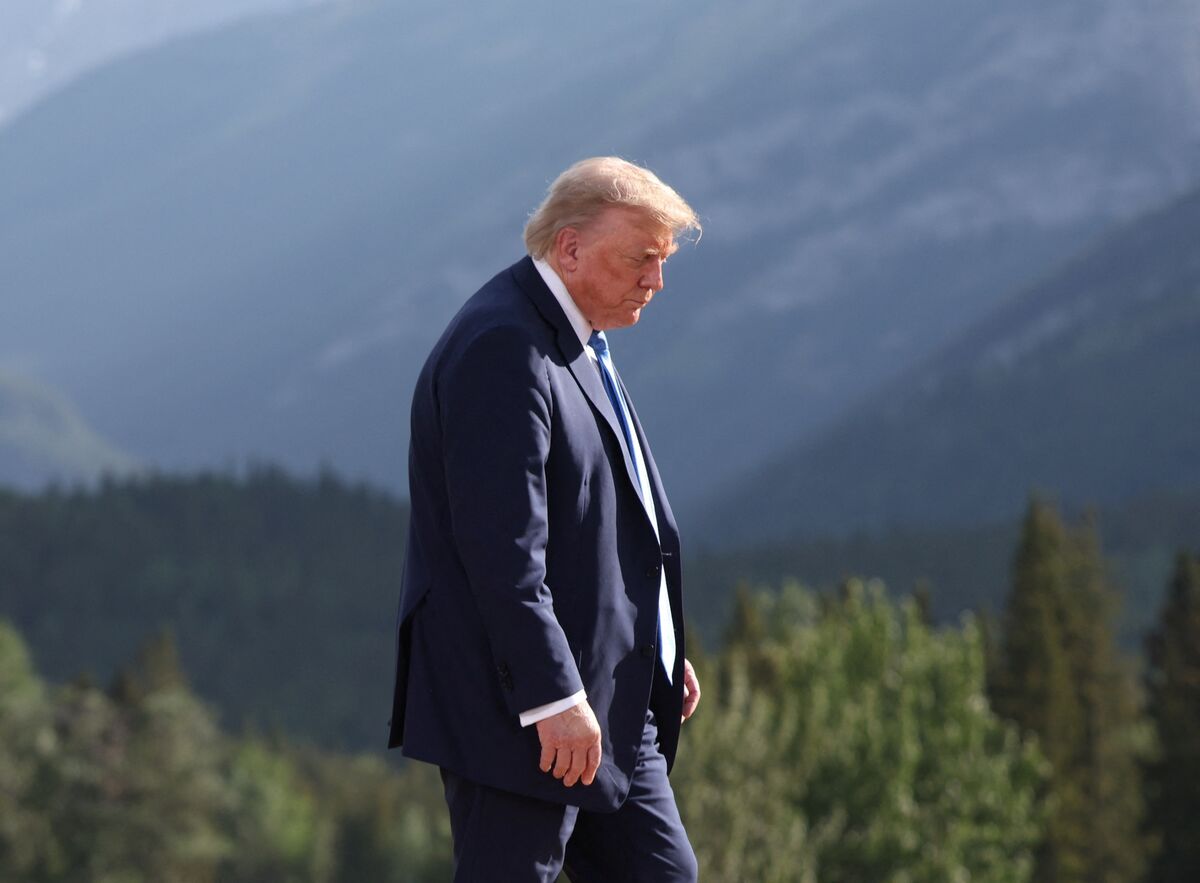
Donald Trump left the G7 summit one day earlier than scheduled, flying back to Washington instead of staying for the final day’s sessions and bilaterals. The White House and Trump publicly framed the early departure as necessary so he could monitor or deal with the intensifying Middle East crisis, as Israel and Iran traded attacks for five consecutive days.
Trump posted on social media urging residents of Tehran to evacuate and criticised Iran for not having agreed to his preferred nuclear deal, while signalling a hard-line posture toward Tehran. G7 leaders issued a statement on the Middle East as Trump departed, but it was calibrated, affirming Israel’s right to defend itself and describing Iran as a source of regional terror while calling for de-escalation and a ceasefire in Gaza rather than explicitly demanding an immediate halt to all Israeli action.
US officials signalled that Trump would not endorse a stronger draft that some partners had wanted, which would have gone further in pressing both Israel and Iran to step back, highlighting another fault line inside the group.
Ukraine: no unified statement
The summit ended without a strong, unified G7 declaration on Ukraine. There was no leaders’ statement that explicitly pledged long-term military support or labelled Russia’s full-scale invasion as illegal, in part because of US resistance. Reporting linked this to a broader pattern in which Trump’s administration opposed language promising continued robust backing for Kyiv or clearly condemning Russia, both in the run-up finance-ministers’ talks and at the leaders’ level.
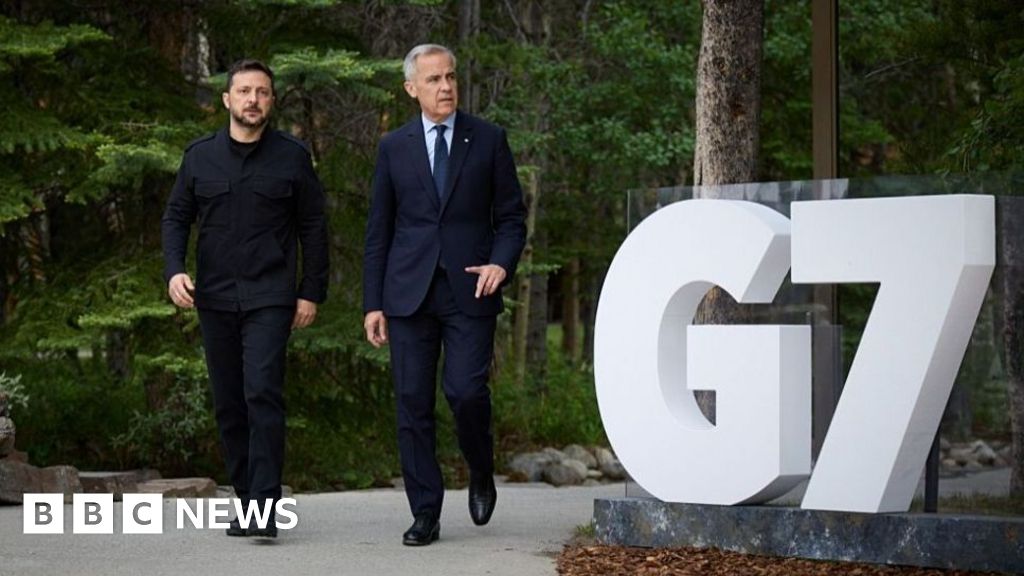
Ukrainian President Volodymyr Zelensky left the summit without the face-to-face Trump meeting he had been expecting and without any major new public arms pledge, despite Canada and some European leaders announcing or reaffirming their own support packages.
Trump’s line on Russia
Trump reiterated that expelling Russia from the G8 in 2014 over Crimea had been a mistake, and argued that Vladimir Putin would not have invaded Ukraine if Russia had remained inside the club. He held himself out as uniquely able to talk to Putin and hinted at openness to bringing Russia and at times even China back into some future configuration of the group, unsettling European leaders who continue to see Russia as the aggressor in Ukraine.
Missed meetings and bilateral diplomacy
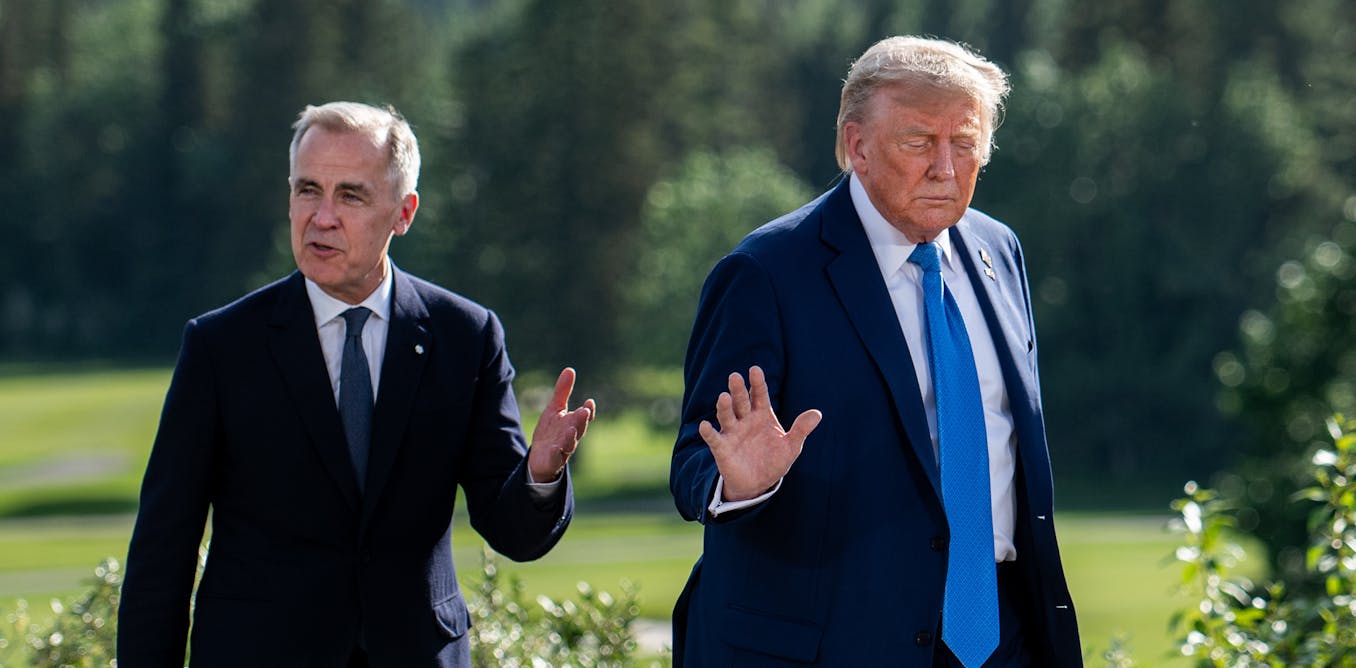
Because of his early exit, Trump skipped planned in-person meetings with Ukraine’s President Zelensky and Mexico’s President Claudia Sheinbaum, as well as other sessions on the final day. Before leaving, Trump held a bilateral with Canadian Prime Minister Mark Carney, after which both sides talked up the possibility of a new US–Canada economic and security arrangement within about a month, even as tariff disputes remained unresolved.
Broader implications
The summit highlighted growing tensions within the G7 over US foreign policy direction and the group’s ability to present unified positions on major global crises. The absence of a joint communiqué signalled a shift from consensus-based diplomacy toward more fragmented, issue-specific coordination among the world’s leading democracies.
Read also:
2025 London Summit on Ukraine
Trump proposes Ukraine Peace Plan
Trump brokers multi-phase Gaza Ceasefire