Operation Epic Fury has radically reshaped the Middle East in just six days.
The operation was launched to dismantle Iran’s nuclear program and “decapitate” its leadership following years of escalating tensions. It has since evolved into a full-scale regional war.
Seven-day round-up
The war began on February 28 with a massive daylight strike in Tehran that reportedly killed Supreme Leader Ayatollah Ali Khamenei. His son, Mojtaba, has since been named successor.
For the next four days, US and Israeli forces have dropped thousands of munitions on nearly 2,000 targets, including IRGC command hubs, the Natanz nuclear facility, air defense networks, and key infrastructure across multiple Iranian cities, with Israel announcing a “new phase” of large‑scale strikes on Tehran and other strategic sites.
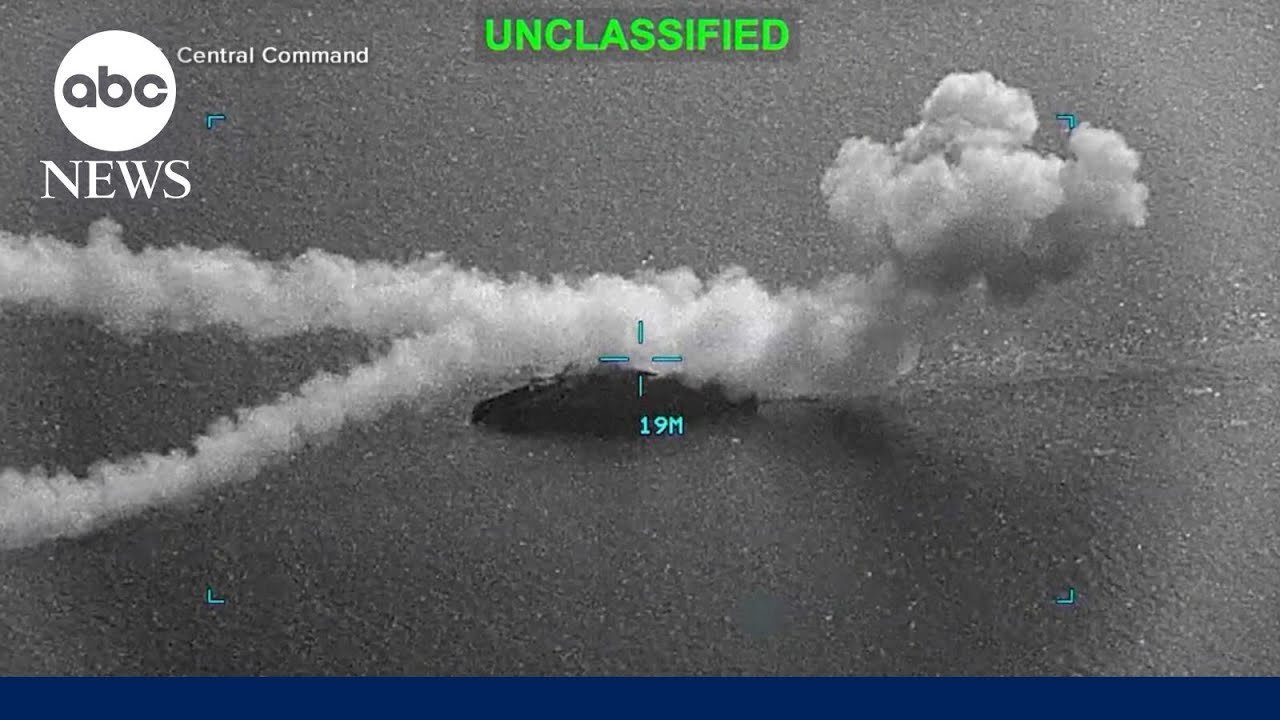
The US Navy achieved a historic milestone by sinking the Iranian warship IRIS Dena with a submarine torpedo, the first such action since WWII.
US Central Command says its forces have now sunk over 30 Iranian vessels and “major” naval assets since the conflict began, severely degrading Iran’s ability to contest sea lanes in the Gulf and Arabian Sea.
CENTCOM reported striking approximately 200 high-value targets within Iran over the last 72 hours, including ballistic missile launchers and naval assets.
Under cover of darkness on March 6, US B-2 stealth bombers dropped dozens of 2,000-pound “penetrator” bombs on deeply buried missile sites and Iran’s “Space Command” infrastructure.
On Friday night, March 6, heavy strikes hit central Tehran. Israeli and US forces reportedly targeted the Supreme Leader’s underground bunker complex and the Miqdad base.
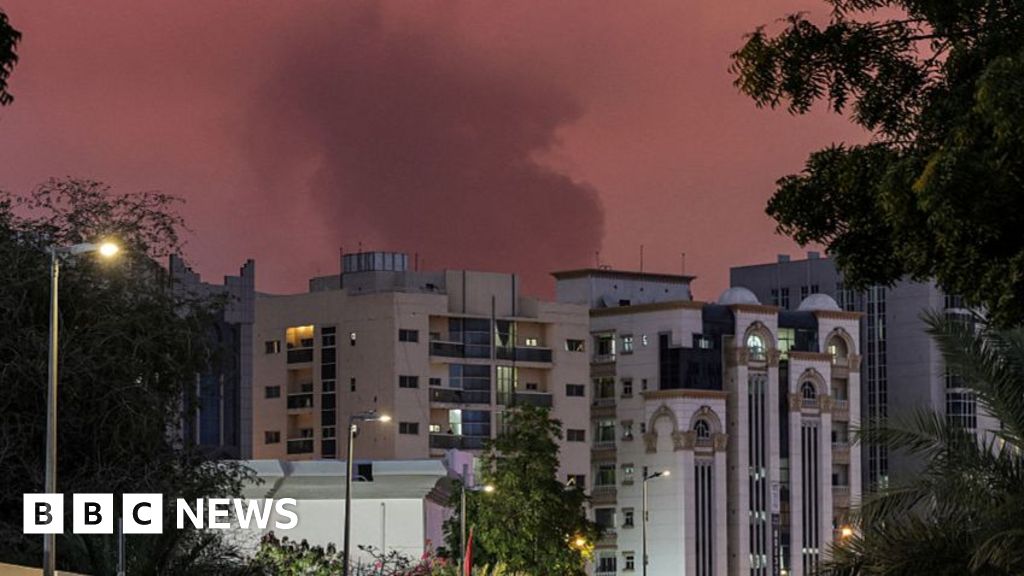
Iran and its proxies (Hezbollah and Yemen’s Houthis) have kept up missile and drone barrages targeting Israel and US‑linked sites in at least 11 countries, including Kuwait, Qatar, Bahrain, the UAE, Saudi Arabia, and Jordan, triggering repeated air‑raid sirens and temporary shutdowns of US diplomatic operations in Kuwait City.
Direct Military Actions Against Iran
US and Israeli officials describe “one of the most complex, most overwhelming military offensives” ever conducted, with 24/7 air and missile strikes aimed at destroying Iran’s missile production, air defenses, command centers, and nuclear infrastructure.
Pentagon and Israeli statements highlight the destruction of hundreds of missile launchers and associated infrastructure, numerous airfields, IRGC facilities, and nuclear‑related sites at Natanz and Fordow, which Washington claims have removed the immediate nuclear “breakthrough” threat.
US commanders say Iran’s navy and coastal defenses have been “severely degraded,” and US officials allude to cyber and space‑based operations as part of a “seabed to space” campaign to ensure Iran cannot effectively target US assets or allies.
Regional Retaliation and US Casualties
Six US service members were killed in a drone strike on a command center at Port Shuaiba, Kuwait. One victim was identified as Major Jeffrey O’Brien.
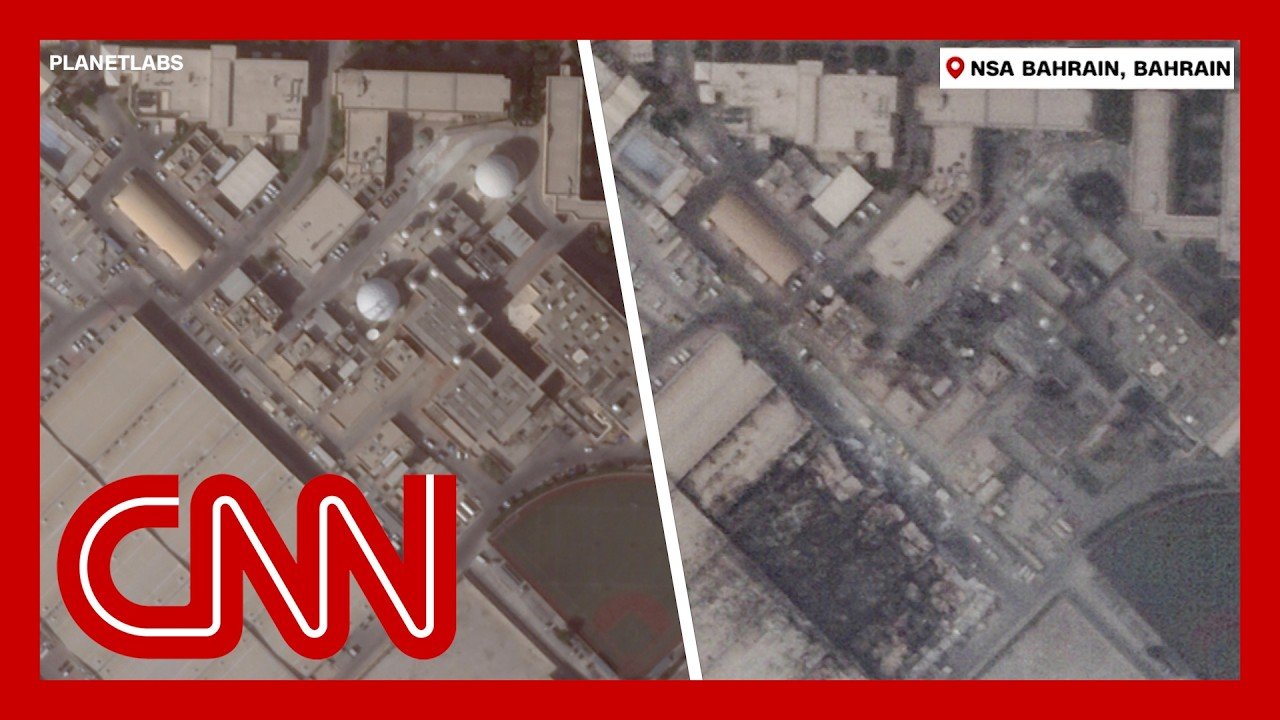
Iranian-linked drones have struck Amazon data centers in Bahrain and the UAE.
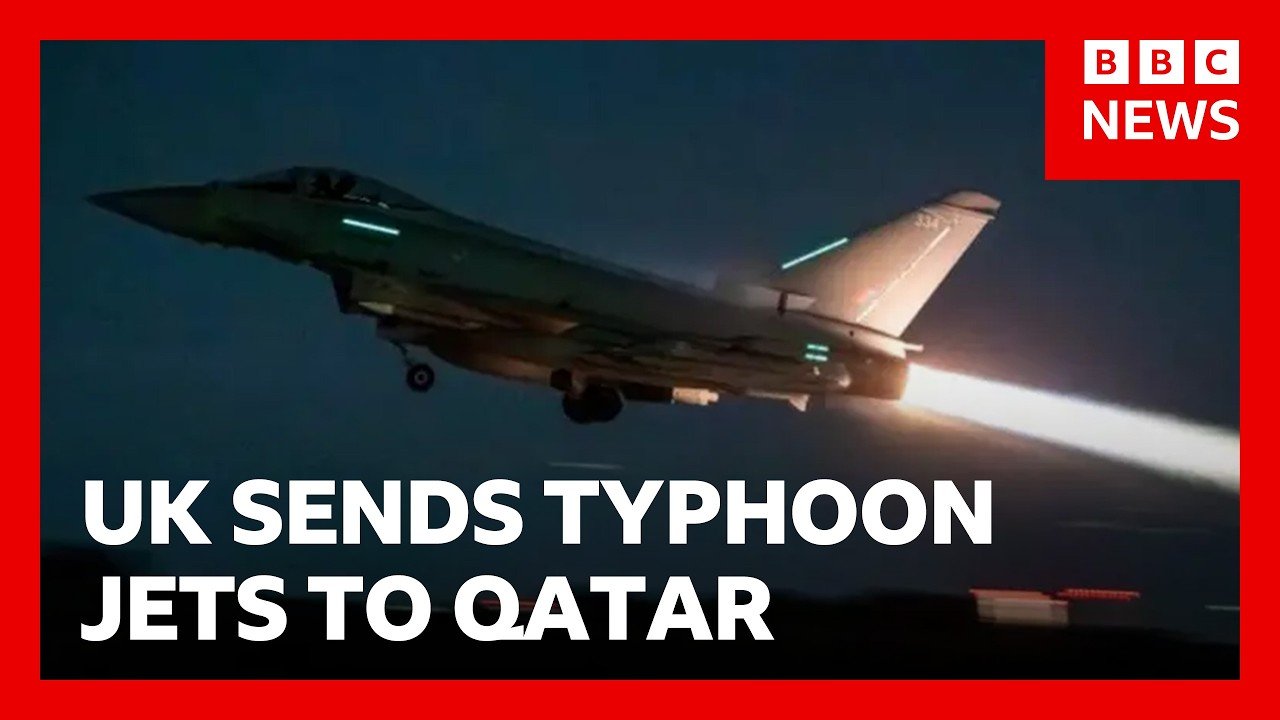
Qatar Defense forces at Al Udeid Air Base intercepted a drone attack on March 6.
Saudi Arabia air defenses destroyed three ballistic missiles targeting Prince Sultan Air Base.
Iran claimed a successful strike on a US military position in Bahrain, resulting in casualties, though specific numbers were not immediately verified by CENTCOM.
Iran has launched missile barrages toward Israel and targeted US sites across the Persian Gulf, including travel hubs and oil facilities.
Broader Middle East strategy
In a major policy shift, the US has begun a phased pullout from bases in Syria (including Qasrak and al-Tanf), handing control to Syrian government forces.
While a ceasefire was previously brokered for Operation Rough Rider in 2025, tensions remain high as the US continues to monitor Houthi activity.
The Trump administration is preparing expanded naval escorts for tankers and a US‑backed insurance plan for Gulf shipping, trying to keep energy flows moving despite the risk of further attacks near the Strait of Hormuz.Iran from blocking global energy supplies.
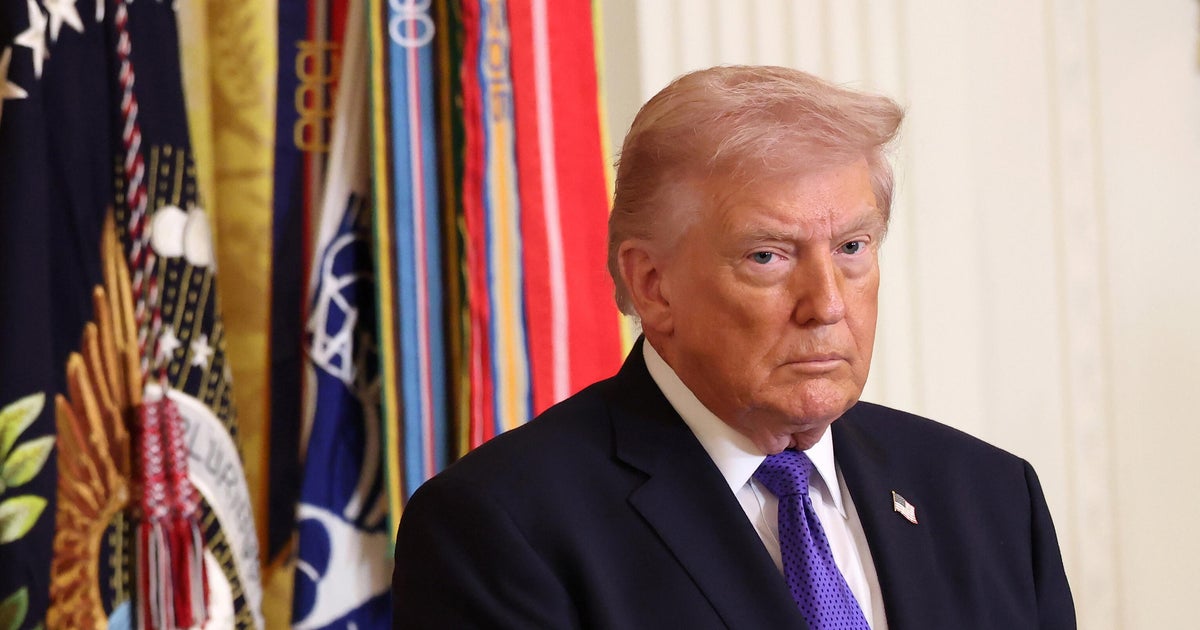
President Trump is publicly demanding Iran’s “unconditional surrender” and has largely ruled out negotiations, even while saying he wants to help shape Iran’s post‑war leadership, whereas Iran’s foreign minister insists Tehran is “not asking for a ceasefire” and vows to continue attacks until US forces withdraw.
US officials stress they are not seeking a “regime‑change war”, describing their aims as preventing Iran from ever getting nuclear weapons, destroying its offensive missile and naval capabilities, and reducing the threat to US partners, while also warning that intensive strikes on Tehran are about to “surge dramatically”.
Political and Economic Context
On March 4, the US Senate recently rejected a resolution (47-53) that would have required President Trump to pull back from the war in Iran, effectively allowing the administration to continue its campaign.
The US House of Representatives narrowly rejected a resolution (212 to 219) on March 6 that would have limited President Trump’s authority to continue hostilities against Iran without specific congressional authorization.
The State Department continues to urge US citizens to leave multiple countries across the region, expanding evacuation flights and warning that commercial options could become unavailable as strikes and airspace closures increase.
Global oil prices have surged, with Brent crude reaching new highs above $80 per barrel due to the conflict and remains volatile as traders price in the risk of a multi‑week or multi‑month conflict that keeps Hormuz traffic under threat despite US escort plans.
The Dow Jones Industrial Average dropped over 1,000 points (2.2%) this week as oil prices surged due to the disruption of traffic in the Strait of Hormuz.
Secretary of War Pete Hegseth stated that the US is prepared for a long-term campaign, noting “we have only just begun to fight”.
Trump administration’s justifications for the war
During a press conference on March 2, President Trump asserted that the decision to launch Operation Epic Fury was driven by urgent intelligence indicating that Iran was on the verge of a nuclear “breakthrough.”
Trump stated that the US and Israel had to act immediately because Iran was only one week away from completing a nuclear weapon.
He used this “ticking clock” scenario to justify the highly unusual decision to begin the operation with broad daylight airstrikes on Feb 28, rather than waiting for the cover of night.
Trump and senior aides argue that strikes on the Natanz and Fordow facilities have neutralized the immediate threat and say the wider campaign will ensure Iran “never” acquires nuclear weapons, even as some analysts question the precision of the one‑week timeline and warn that airstrikes alone are unlikely to topple the regime.
Secretary of State Marco Rubio has framed the operation as a time‑sensitive effort to close a rapidly shrinking “window of opportunity”, while Defense Secretary Pete Hegseth says the campaign is “laser‑focused” on destroying Iran’s missile production, navy, and security infrastructure rather than being an open‑ended occupation.
Read also:
Hezbollah declares war on Israel, Israel kills head of Hezbollah’s intelligence
Iran forms transition government with three-member interim council
US–Israel launch coordinated strikes on Iran, killing supreme leader