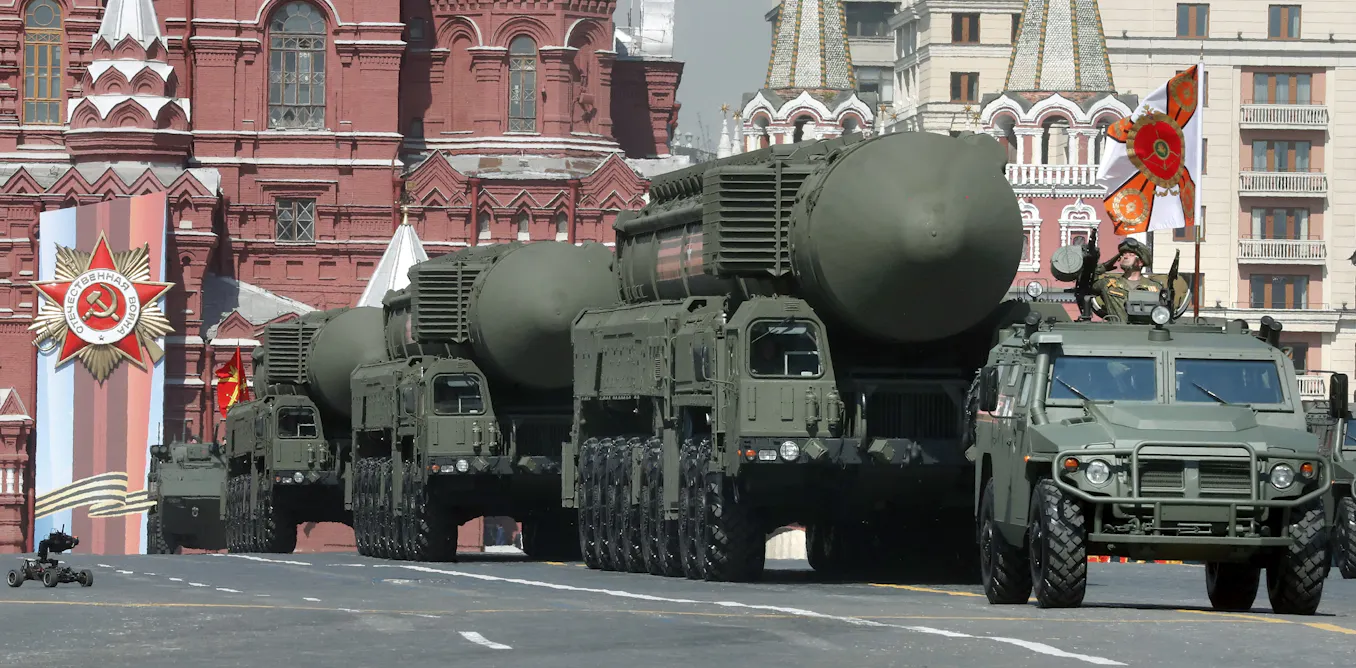
Russia is signaling that it wants to be seen as a responsible nuclear power even as the last remaining US-Russia arms-control treaty has expired. President Donald Trump, meanwhile, is calling for a new and modernized nuclear agreement rather than simply extending the old framework.
New START expired on February 4, 2026, ending the final legal limits on deployed strategic nuclear weapons between Washington and Moscow. For the first time in more than 50 years, the two largest nuclear powers are no longer bound by any bilateral treaty caps on their strategic arsenals.
What New START did
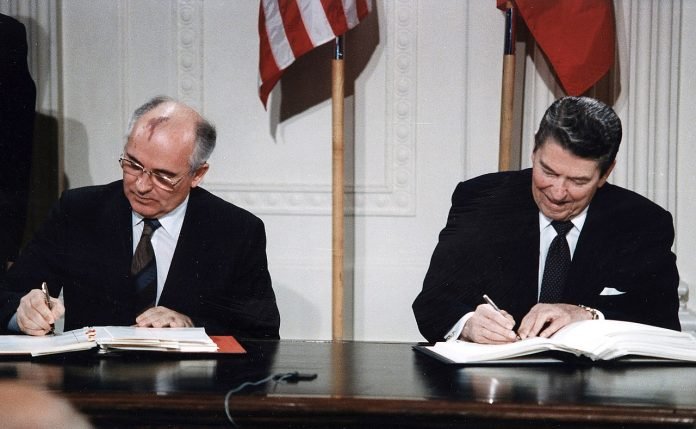
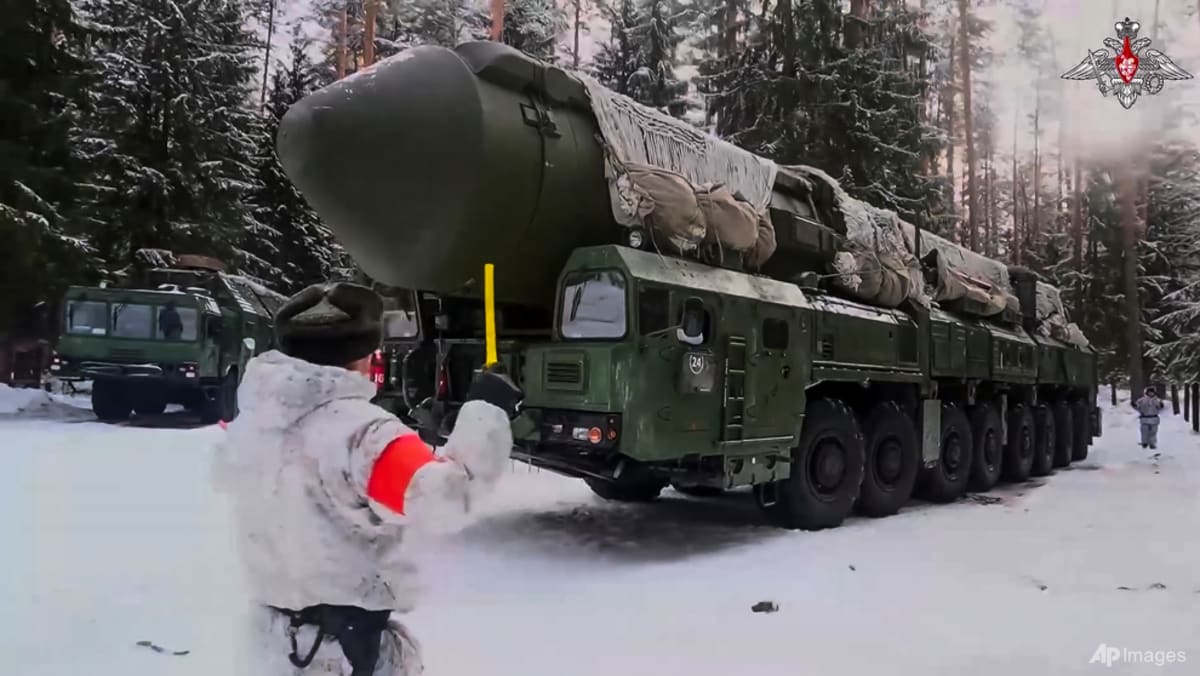
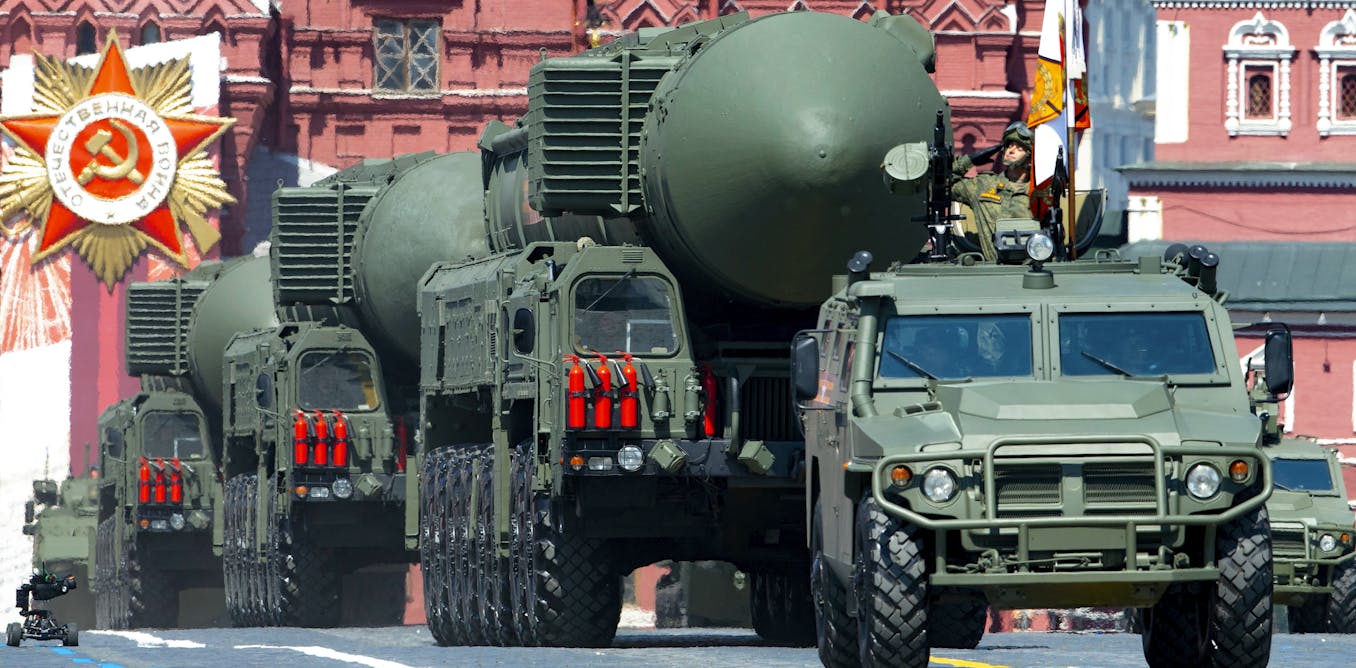
The treaty, signed in 2010 by Barack Obama and Dmitry Medvedev, capped each side at 1,550 deployed strategic warheads and 700 deployed delivery systems. It also created a verification system built around on-site inspections, data exchanges, telemetry sharing and notifications about major exercises and deployments.
Those transparency measures had already been badly weakened. Russia suspended participation in February 2023 after the Ukraine war deepened, halting inspections and ending data exchanges and telemetry sharing, even though both sides continued to say they were observing the numerical limits until expiry.
Putin’s offer
In September 2025, Vladimir Putin proposed that Russia would continue to observe the treaty’s core caps for one more year if the United States did the same. That offer preserved the appearance of restraint, but it also made clear that Moscow was prepared to reassess its posture if Washington did not reciprocate.
Kremlin spokesman Dmitry Peskov said after the treaty expired that Russia regretted the end of New START and would continue to take a “responsible, thorough approach” to nuclear stability. He said Moscow would remain guided by its national interests, but insisted that the country was not rushing into an unconstrained arms buildup.
Trump wants a new deal
Trump rejected Putin’s proposal to extend the treaty’s limits for another year, calling New START a badly negotiated agreement that the US says is being violated. On Truth Social, he urged US nuclear experts to work on a new, improved treaty that could last well into the future.
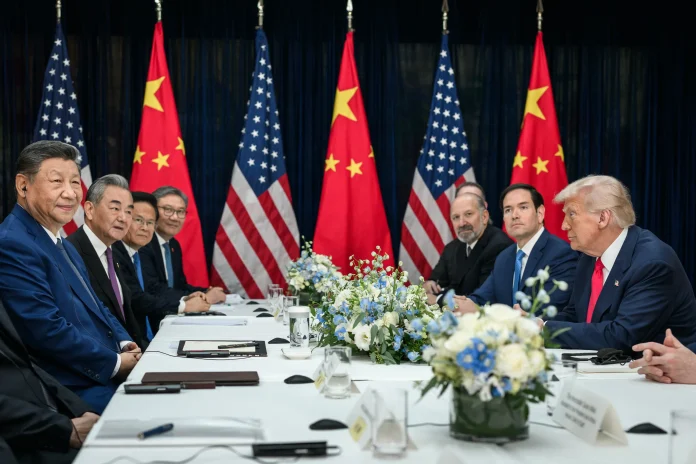
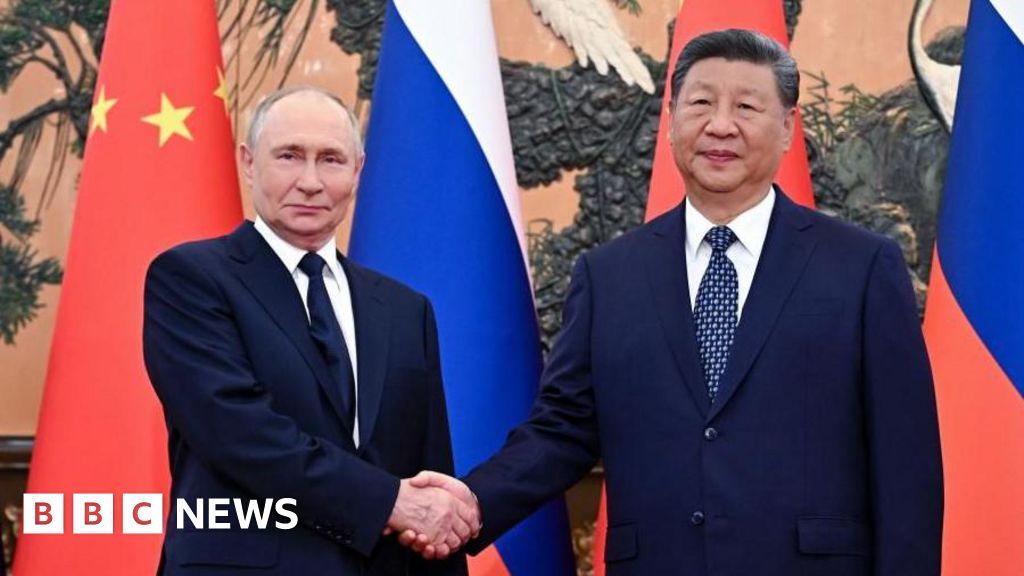
Trump has also pushed for China to be included in any future agreement, arguing that Beijing’s growing arsenal makes a bilateral US-Russia deal incomplete. Moscow, however, has signaled that any new talks should also bring in Britain and France, which is one reason follow-on negotiations have been so difficult.
Global alarm
The expiration has triggered concern well beyond the two capitals. UN Secretary-General António Guterres called it a grave moment for international peace and security and warned that this is the first time in more than half a century that the world’s two biggest nuclear powers are without binding strategic limits.
China called the expiry regrettable and urged dialogue between Washington and Moscow, but it rejected US pressure to join trilateral negotiations. European officials and arms-control advocates also warned that the treaty’s end weakens the Nuclear Non-Proliferation Treaty’s credibility and raises the risk of miscalculation in a crisis.
Why it matters
New START was never a perfect agreement, but it helped preserve predictability between two adversaries that together hold the vast majority of the world’s nuclear weapons. Its collapse leaves the arms-control system weaker, the verification picture murkier and the diplomatic path to a successor treaty much less certain.
For now, Russia is trying to avoid looking reckless while Washington pushes for a broader deal. The problem is that the two sides do not agree on who should be at the table — and that may be the hardest obstacle of all.
Read also: