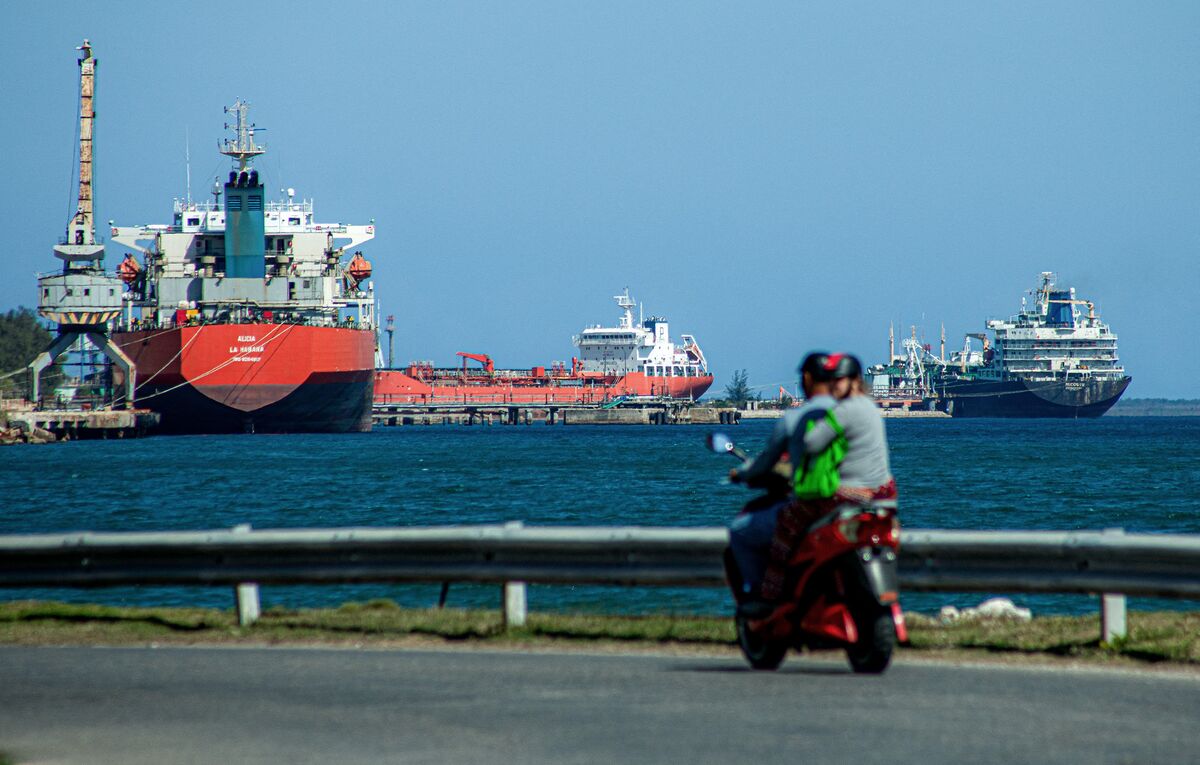
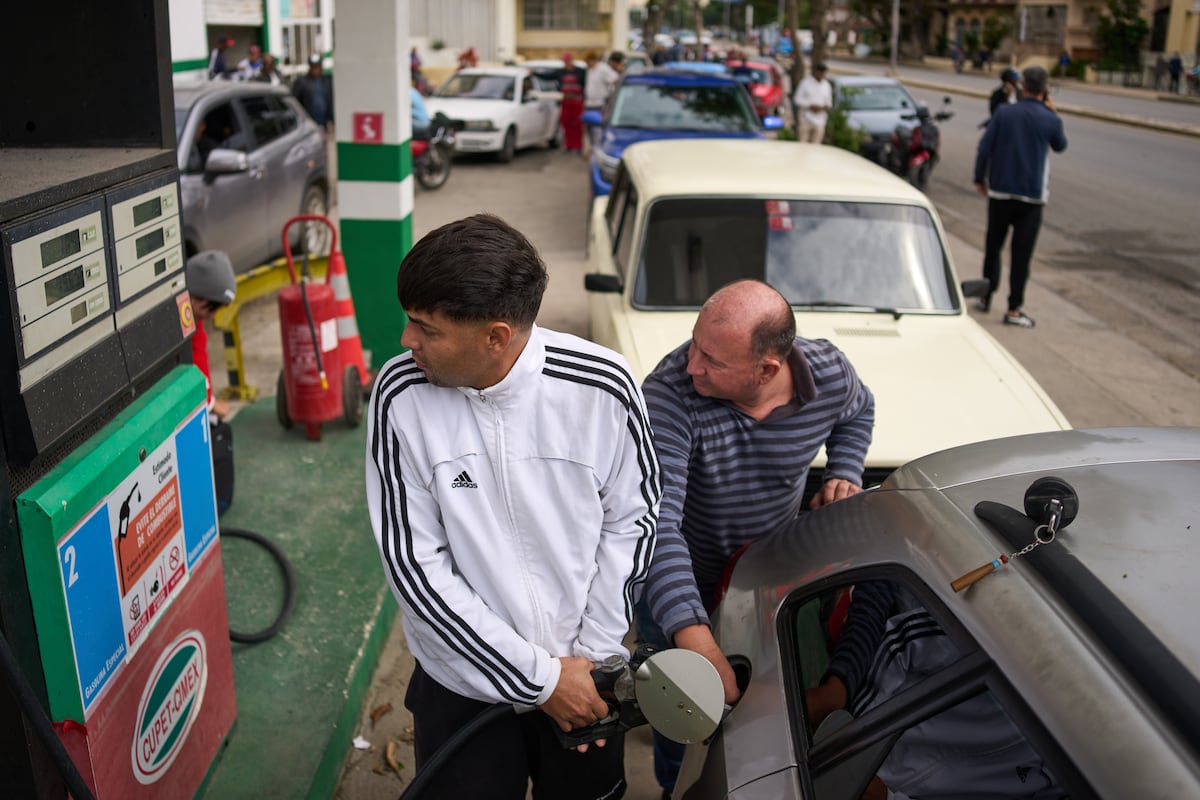
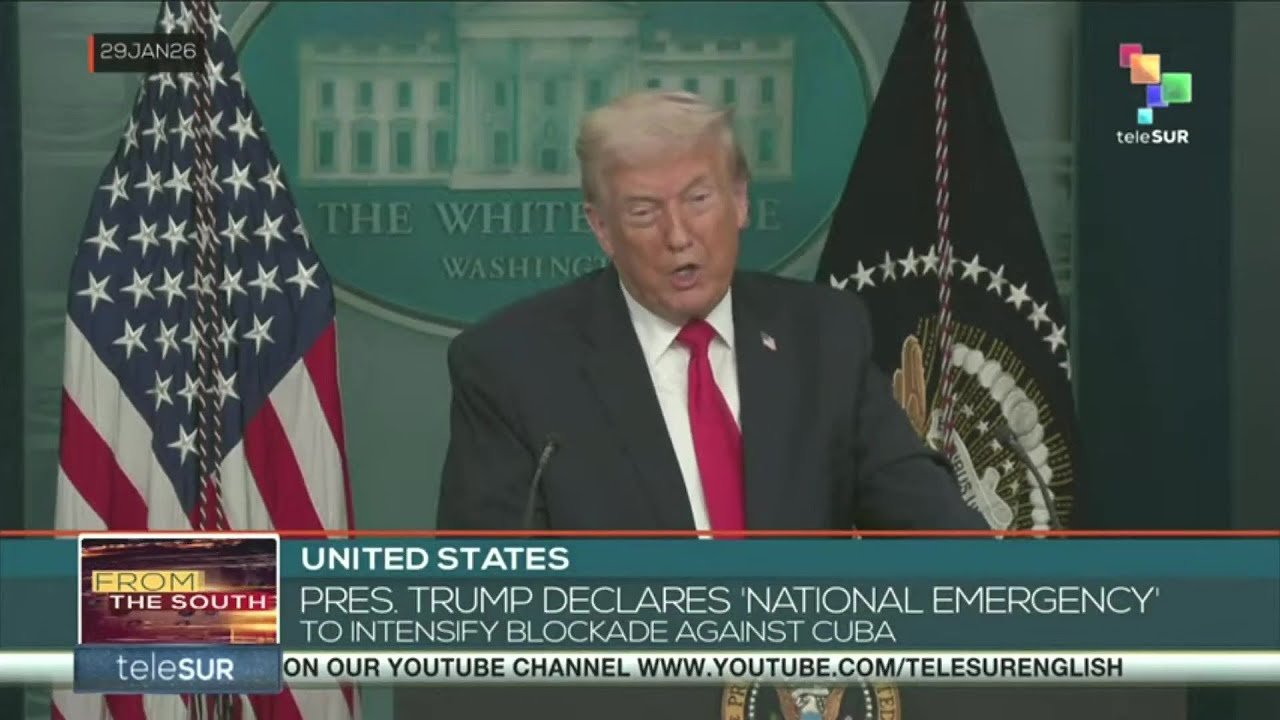
The United States declared a national emergency over Cuba on January 29, 2026, saying the Cuban government’s alignment with hostile states and its broader conduct pose a national-security threat to the United States. The move also created a framework for imposing additional tariffs on goods from any country that supplies oil to Cuba, directly or indirectly.
What happened
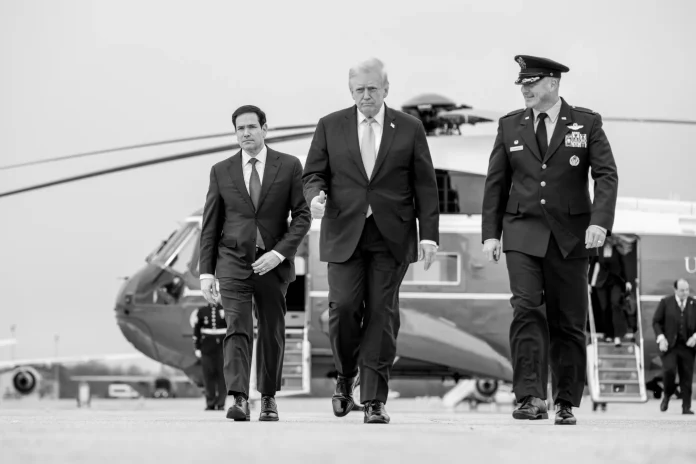
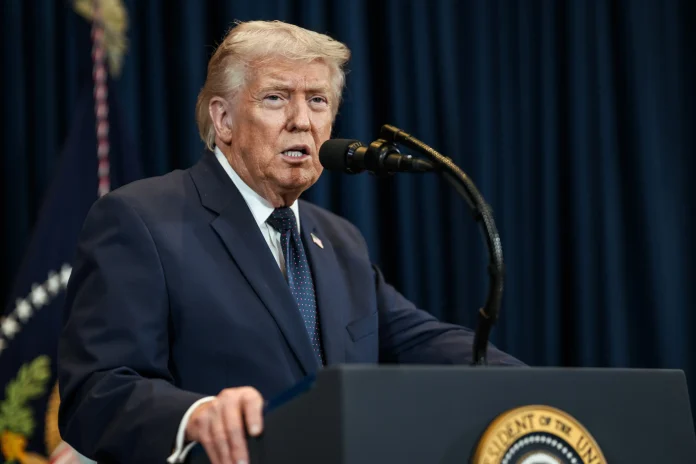
President Donald Trump signed Executive Order 14380, titled “Addressing Threats To the United States by the Government of Cuba,” which formally declared the emergency. The White House said the order was based on Cuba’s alignment with adversaries such as Russia, China, Iran, Hamas and Hezbollah, as well as its role in hosting military and intelligence capabilities for those actors.
The administration also cited what it described as Cuba’s efforts to destabilize the Western Hemisphere, spread communist ideology, and commit systemic human-rights abuses, including the persecution and torture of political opponents and restrictions on free expression. The order gives the US government authority to impose extra duties on imports from any country that continues supplying oil to Cuba, including via indirect routes.
Tariff strategy
The policy functions as a secondary sanction, putting US trading partners under pressure to choose between maintaining commercial access to the American market and continuing to supply fuel to Cuba. The White House framed it as a maximum-pressure tool meant to isolate the Cuban government and force a political transition.
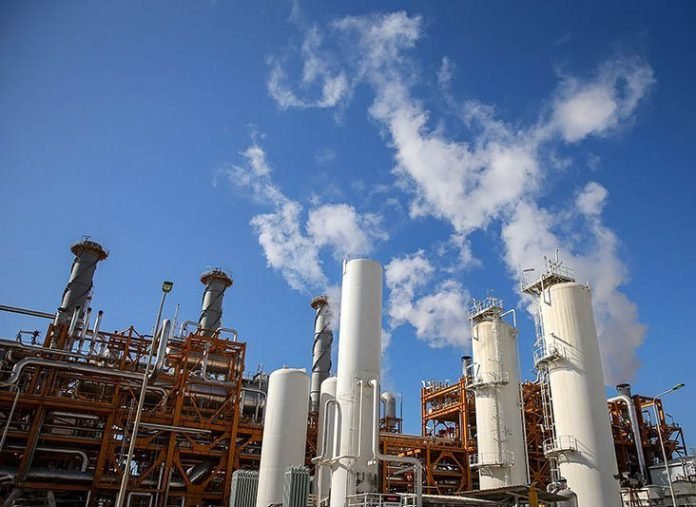
The approach is aimed in part at cutting off Cuba’s remaining fuel supply after the loss of Venezuelan oil. Mexico, now Cuba’s main supplier, is a particular focus because the tariffs could apply to all goods from the targeted country, not just oil-related products.
The administration has also said the goal is regime change in Cuba by the end of 2026, with pressure directed at President Miguel Díaz-Canel to strike a deal.
Enforcement
The US is pairing the tariff threat with maritime enforcement, including the seizure of so-called dark fleet tankers, and is warning countries such as Mexico and Russia against filling Cuba’s fuel gap. The order also covers oil supplied “directly or indirectly,” which means US agencies are expected to scrutinize third-country diversion points, shipping firms and insurers that facilitate those transfers.
In February 2026, the administration introduced a more favorable licensing policy for Venezuelan oil exports destined for Cuba’s private sector for humanitarian purposes. Exporters are required to provide reporting and compliance certifications to ensure the fuel does not reach the Cuban military.
These measures have contributed to a near-total collapse of Cuba’s electrical grid, with nationwide blackouts reported by March 2026.
International reaction
The United Nations expressed deep concern that Cuba’s humanitarian situation could deteriorate sharply if fuel shortages continue. UN human-rights experts said the order amounts to unilateral economic coercion and warned that it could violate international law.
Mexico initially paused oil shipments to avoid tariff retaliation, then later signaled that deliveries could resume after a US Supreme Court ruling challenged the administration’s tariff policies. At the same time, Mexico shifted toward sending food and other essential supplies instead of fuel.
China rejected the US move and said it opposes actions that deprive Cubans of their rights. Russia denounced the policy as a blockade and said it would continue supporting the island despite the threats.
Cuba’s response
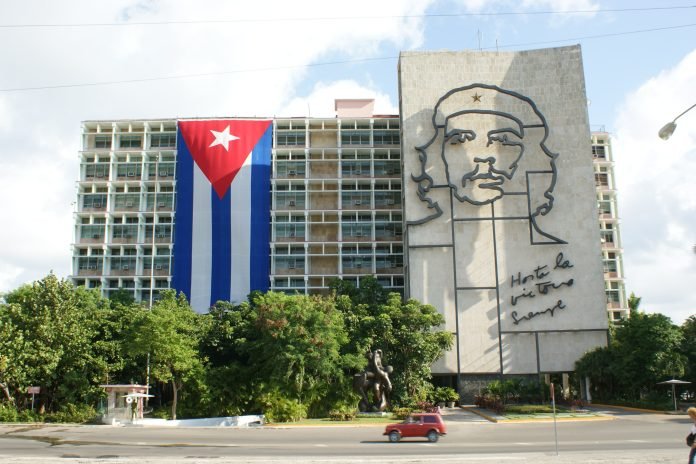
Cuba’s government condemned the order in sharply worded terms. Foreign Minister Bruno Rodríguez called it a brutal act of aggression, while President Miguel Díaz-Canel said the country should prepare for a multifaceted form of warfare.
At home, persistent blackouts lasting 16 to 20 hours have fueled protests in which citizens bang pots and pans and shout “Libertad.” In early March, demonstrators reportedly vandalized a Communist Party office in Morón.
The government has responded by mandating remote work, shortening the work week to four days and suspending non-essential surgeries in an effort to conserve energy.
Business effects
The fuel crisis has also hit Cuba’s tourism and aviation sectors. Air Canada halted all flights to Cuba in February after Havana said international airlines could no longer refuel at the main airport because of shortages.
Hotel operators have also been affected. Several major chains, including Portugal’s Vila Galé, reportedly closed operations in destinations such as Varadero and Havana as the fuel crunch worsened.
Wider significance
The order marks a major escalation in US pressure on Cuba, blending sanctions, tariff threats and maritime enforcement into a broader strategy of economic isolation. Its immediate effects are being felt not only in diplomacy but also in Cuba’s power supply, travel sector and daily life.
Read also:
2026 Shield of the Americas Summit: A pivot to ‘Hard Power’
US Special Forces captures Nicolás Maduro
US and Ecuador launch joint operation to combat narco-terrorism