2025 Iran-Israel’s 12-day war

Jump to Timeline

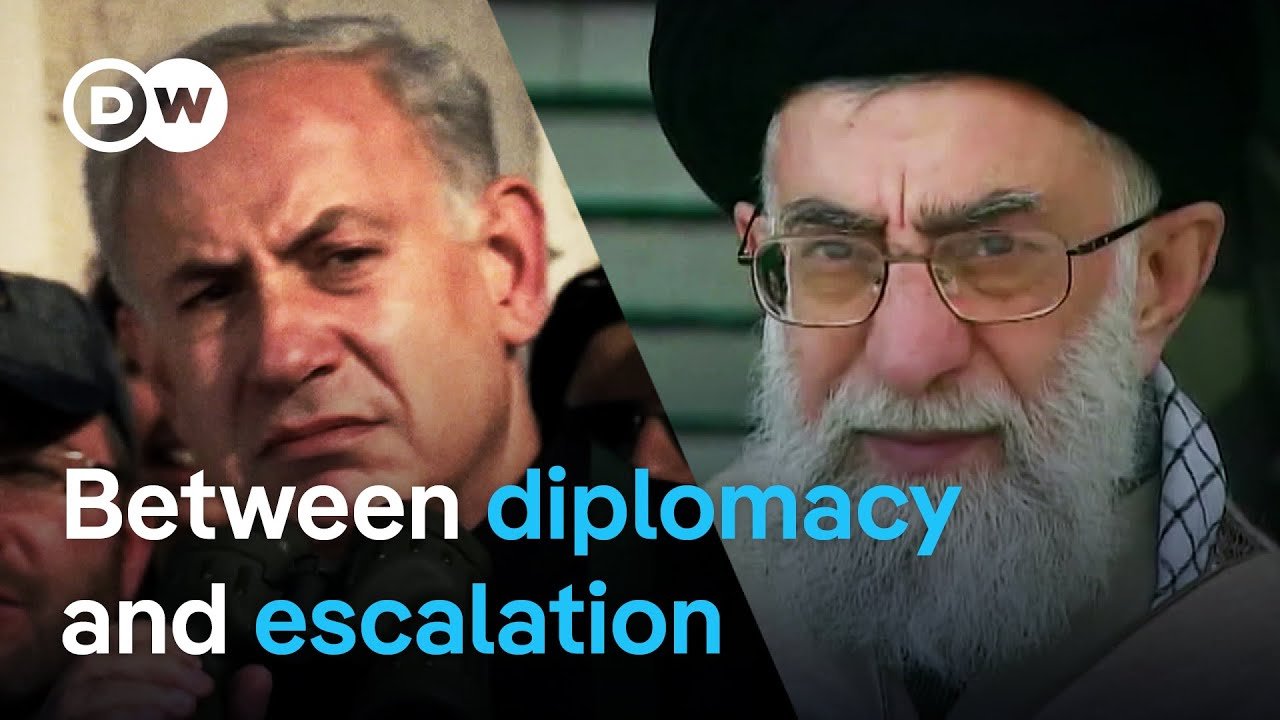
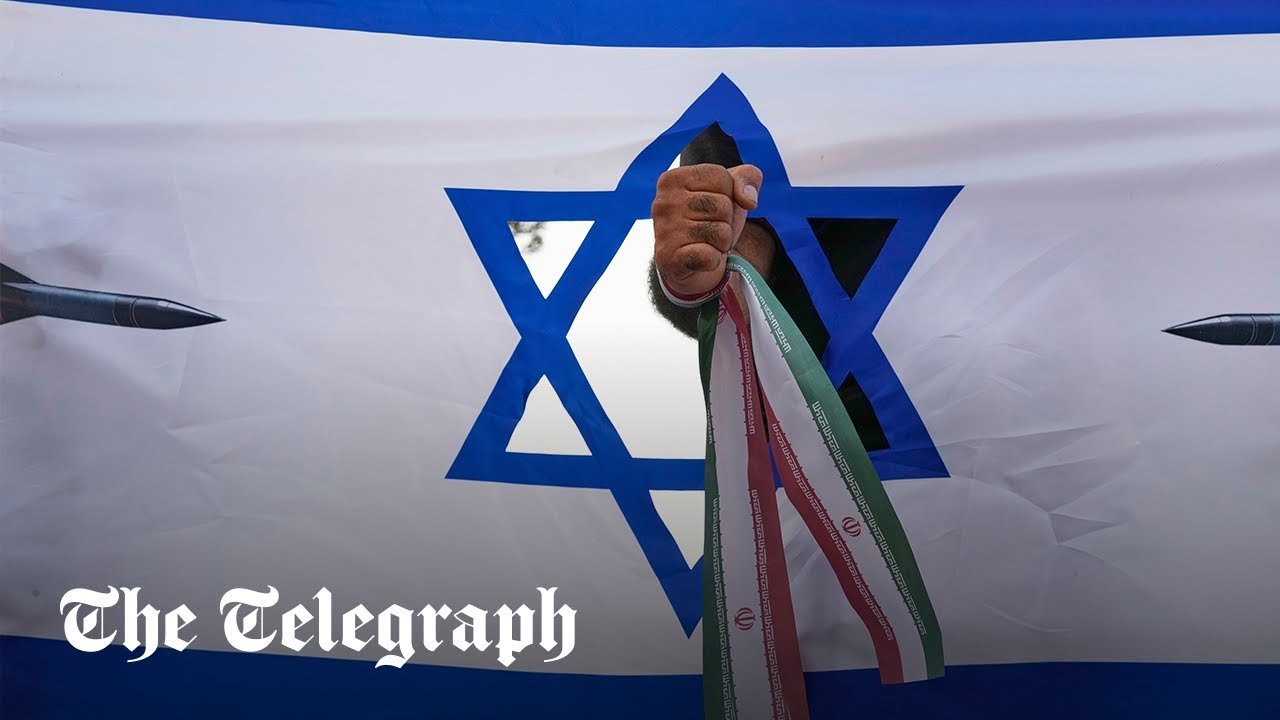
The 12-Day War, also known as the Iran–Israel War, was a short but intense direct military conflict between Israel and Iran that ran from 13 to 24 June 2025, marking a sharp escalation from years of proxy confrontation into open warfare.

On 13 June, Israel launched Operation Rising Lion, a surprise aerial campaign targeting more than 100 military and nuclear-related sites across 27 Iranian provinces. The strikes killed several senior Iranian military figures, including IRGC Commander-in-Chief Hossein Salami, as well as multiple nuclear scientists.

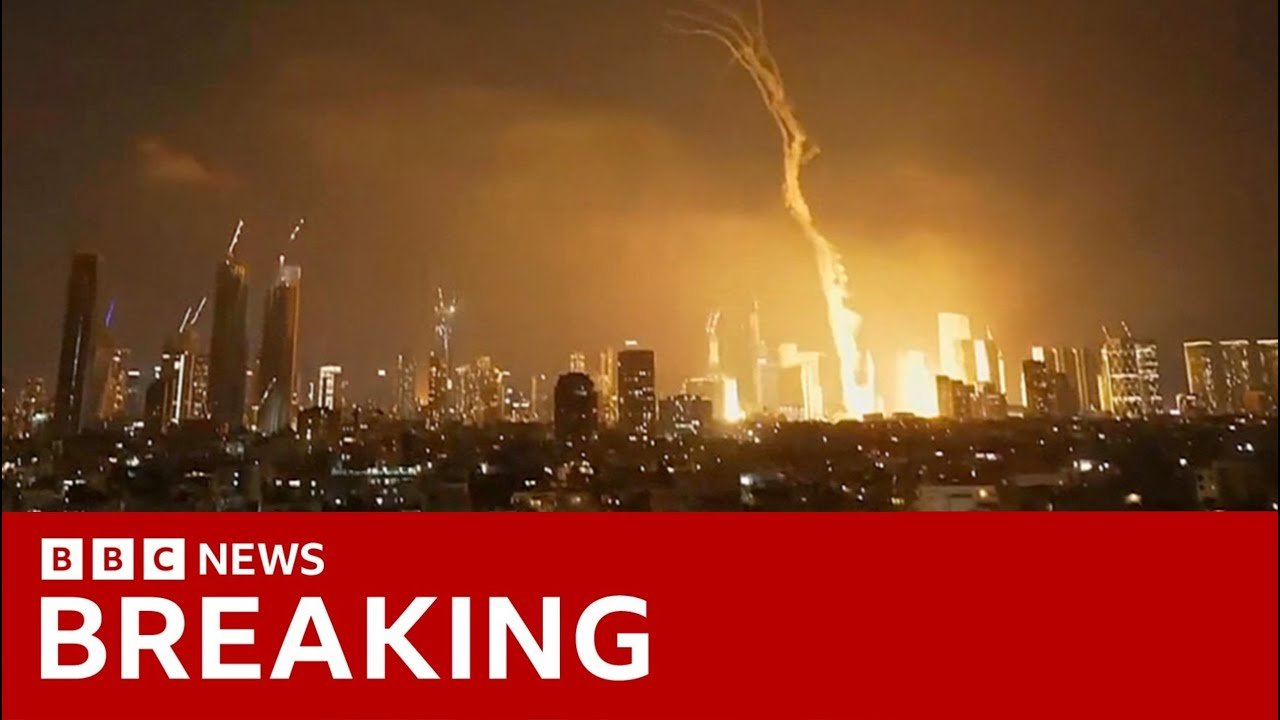
Iran responded with Operation True Promise III, firing hundreds of ballistic missiles and drones at Israeli cities and military sites. Tel Aviv, Haifa’s oil refinery, and Soroka Medical Center were among the locations hit.

The United States then entered the conflict on 21 to 22 June with Operation Midnight Hammer, using B-2 bombers and submarine-launched missiles to strike three Iranian nuclear facilities at Natanz, Fordow and Isfahan.

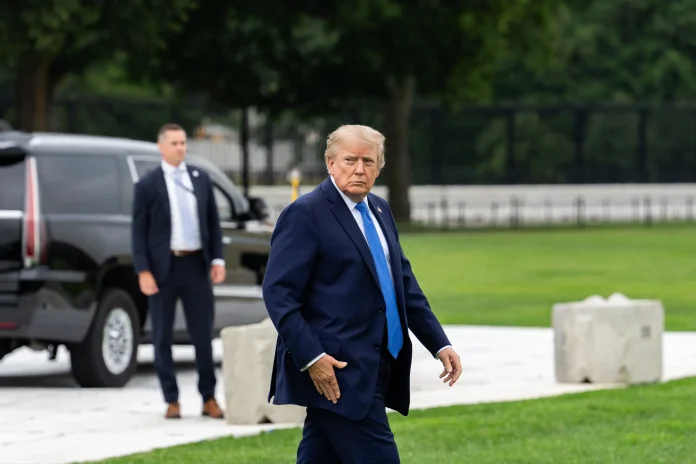
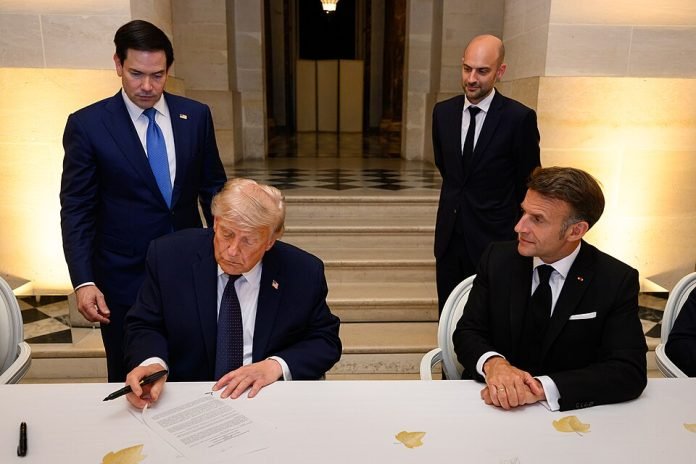
After days of intensifying attacks, a ceasefire was brokered on 24 June following diplomatic pressure and an Iranian strike on the Al Udeid Air Base in Qatar. US President Donald Trump and Qatari mediators helped secure the truce.

Casualties and damage

Casualty estimates varied widely. Reports from Iranian rights groups placed the death toll in Iran at more than 1,000, including civilians and military personnel. In Israel, roughly 30 people were killed and more than 3,000 were injured.

The war caused major damage to Iran’s nuclear infrastructure and air defence systems. In Israel, property losses were estimated at more than $1.5 billion, while missile interceptor stockpiles were heavily depleted.

What happened next

The war ended without a formal peace agreement, leaving the region in what many described as a fragile pause.

Iran faced internal instability and renewed protests after the conflict exposed serious tactical losses. Israel, while claiming to have set back Iran’s nuclear programme, remained on alert for future retaliation and rearmament efforts.

The conflict also unsettled Gulf states, shaking confidence in the US security umbrella and prompting countries such as Saudi Arabia and Qatar to diversify their defence partnerships.

Nuclear fallout debate

The scale of damage to Iran’s nuclear programme remains disputed.

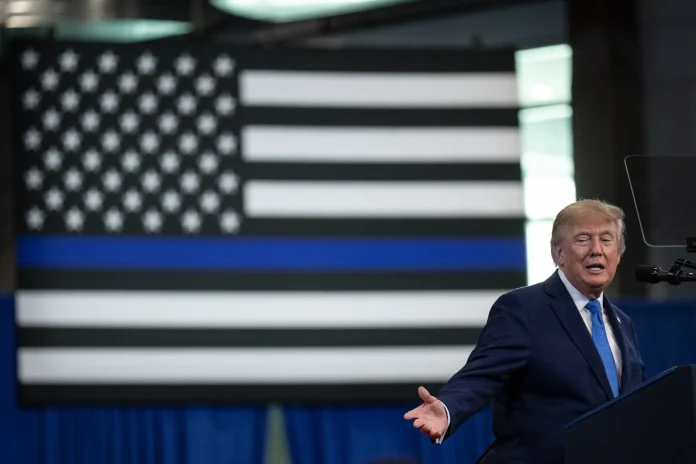
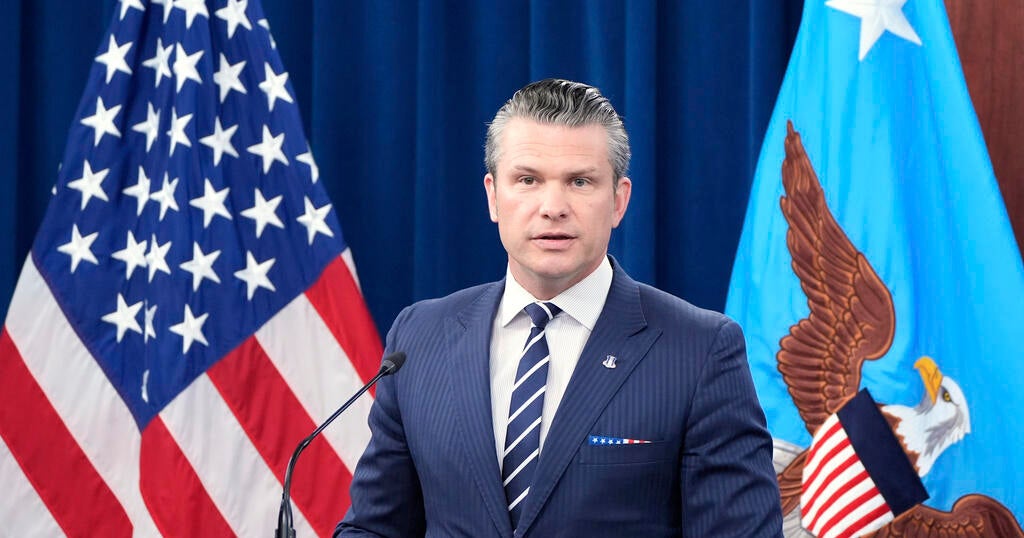
Trump and Defense Secretary Pete Hegseth described Operation Midnight Hammer as a spectacular success, arguing that the strikes destroyed the facilities at Natanz, Fordow and Isfahan.

A leaked early assessment from the Defense Intelligence Agency suggested otherwise, concluding that the strikes did not destroy the programme’s core and may have delayed it by only months. Later assessments from the Pentagon indicated a longer delay, while CIA Director John Ratcliffe said intelligence showed the sites had been severely damaged and would take years to rebuild.

Broader implications

The conflict underscored how quickly long-running proxy tensions can escalate into direct war, and how fragile deterrence remains in the Middle East. It also exposed the limits of military action in permanently disabling nuclear capability, especially when underground facilities and dispersed infrastructure remain in place.
youtube placeholder image

Key widely reported facts from verified sources including Al Jazeera, BBC, APNews, NYTimes, FOX News, CNN, The Jerusalem Post, Newsweek, APNews, The Guardian, The Arab Weekly

US launches “Operation Economic Outcast,” widening Iran sanctions to five new sectors

The US launched Operation Economic Outcast against Iran that expands secondary sanctions risk across five critical sectors and targets nearly 60 entities.
Read more

Trump declares ‘Economic D-Day’ on Iran in unprecedented sanctions escalation

US President Donald Trump has launched what he calls an “Economic D-Day” against Iran, vowing the “most crushing economic operation ever taken against any country”.
Read more

Trump threatens to bomb Oman as US-Iran ceasefire collapses

Trump posted an AI-generated image on his Truth Social platform labeling the Strait of Hormuz as "NEW US TERRITORY."
Read more

US-Iran peace deal collapses as 60-day deadline expires

Both Washington and Tehran have ruled out extending the deal, with President Donald Trump declaring that Iran must "put up the white flag of surrender".
Read more

Trump and Iran trade claims over Strait of Hormuz as shipping traffic collapses

Washington says its naval blockade has secured the strategic waterway while Tehran insists no vessel may pass without its approval.
Read more

“Deeply Duplicitous”: Trump issues ‘last chance’ warning to Iran

After Iran denied holding talks, Trump publicly lashed out, calling the Iranian leadership "unbelievably duplicitous" and insists talks are ongoing.
Read more

Trump meets Zelenskyy and Netanyahu before Lindsey Graham funeral

The overlap highlighted Graham’s standing as a longtime foreign-policy hawk, bringing together leaders tied to two of the world’s most consequential conflicts.
Read more

House votes to curb Trump’s Iran war powers, but Senate blocks the move

Trump framed the war powers vote as an attack on ongoing diplomacy, while critics said Congress was overdue to reassert its constitutional role over war-making decisions.
Read more

Trump threatens major strike as Red Sea conflict widens

Trump signaled that he sees little room for compromise at this stage, saying Iran is “not ready” and has not “received enough pain yet”.
Read more

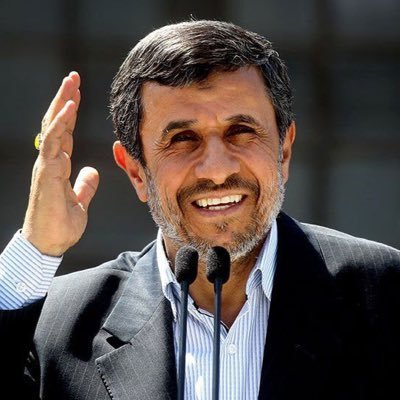
Former Iranian President rejects allegations of Israeli Plot

Former Iranian President Mahmoud Ahmadinejad denied allegations that he was recruited by Israeli intelligence as part of a regime-change plot.
Read more
Timeline

13 Jun: Israel launched Operation Rising Lion. Over 200 fighter jets struck 100+ military and nuclear facilities across Iran. High-ranking officials, including IRGC Commander Hossein Salami and several nuclear scientists, were killed.

14 Jun: Israel expanded strikes to western and northwestern Iranian cities, targeting underground missile facilities.

13–15 Jun: Iran initiated Operation True Promise III, launching a massive barrage of approximately 550 ballistic missiles and 1,000 drones. While Israel’s air defences intercepted many, strikes hit Tel Aviv, Haifa, and residential areas.

16–19 Jun: Iranian missiles hit the Soroka Medical Center in Beersheba and major labs at the Weizmann Institute. Cyber warfare intensified, with Mossad reportedly paralyzing the Shahid Rajaee port.

21–22 Jun: The United States launched Operation Midnight Hammer. Seven B-2 stealth bombers and a Navy submarine struck nuclear sites at Natanz, Fordow, and Isfahan using GBU-57 “bunker buster” bombs.

23 Jun: Iran retaliated for the US strikes by targeting the Al Udeid Air Base in Qatar.

24 Jun: A US-brokered ceasefire took effect after intense negotiations between President Trump and regional mediators. Minor violations were reported by both sides in the hours following the truce.

Opinion & Analysis

You may also be interested in

LEAVE A REPLY

Please enter your comment!
Please enter your name here