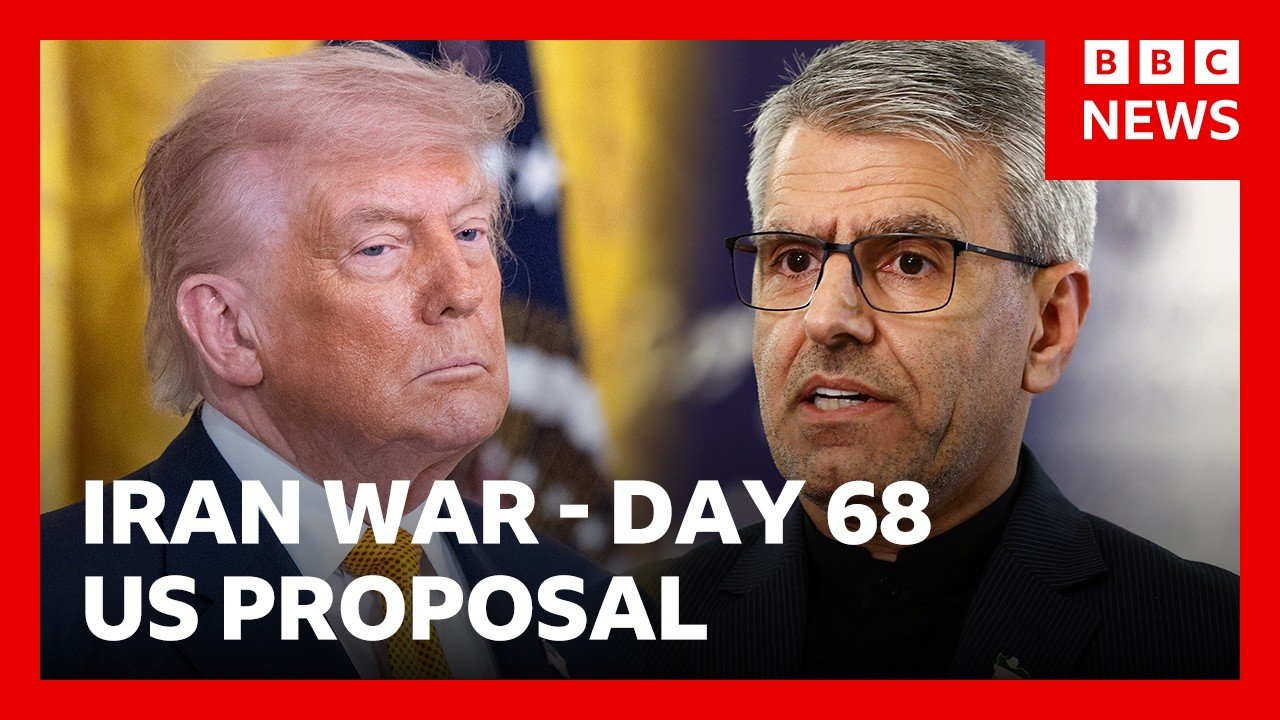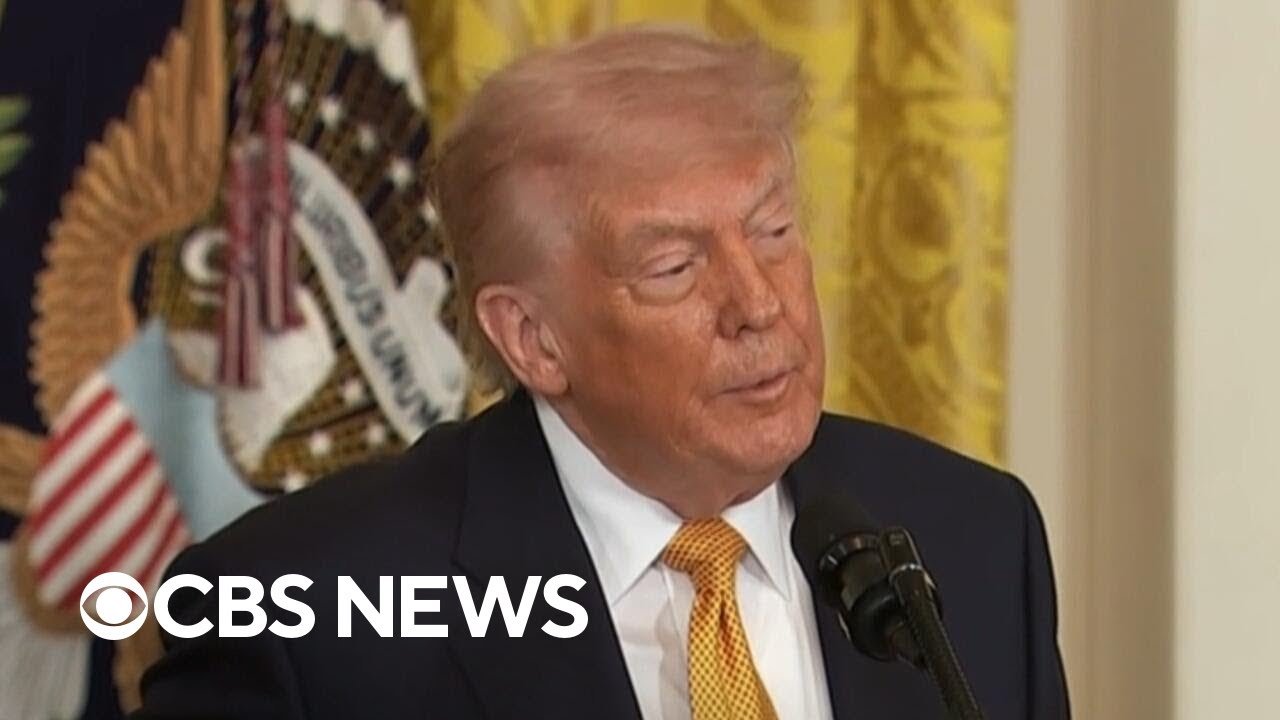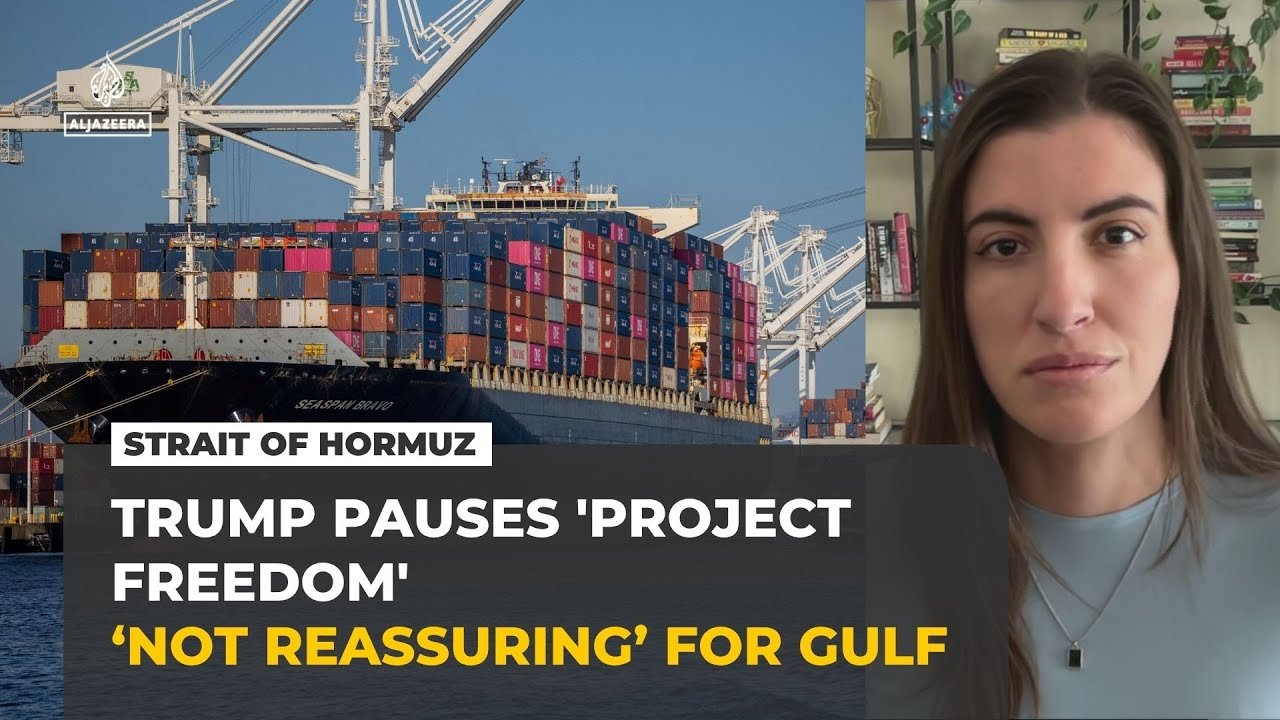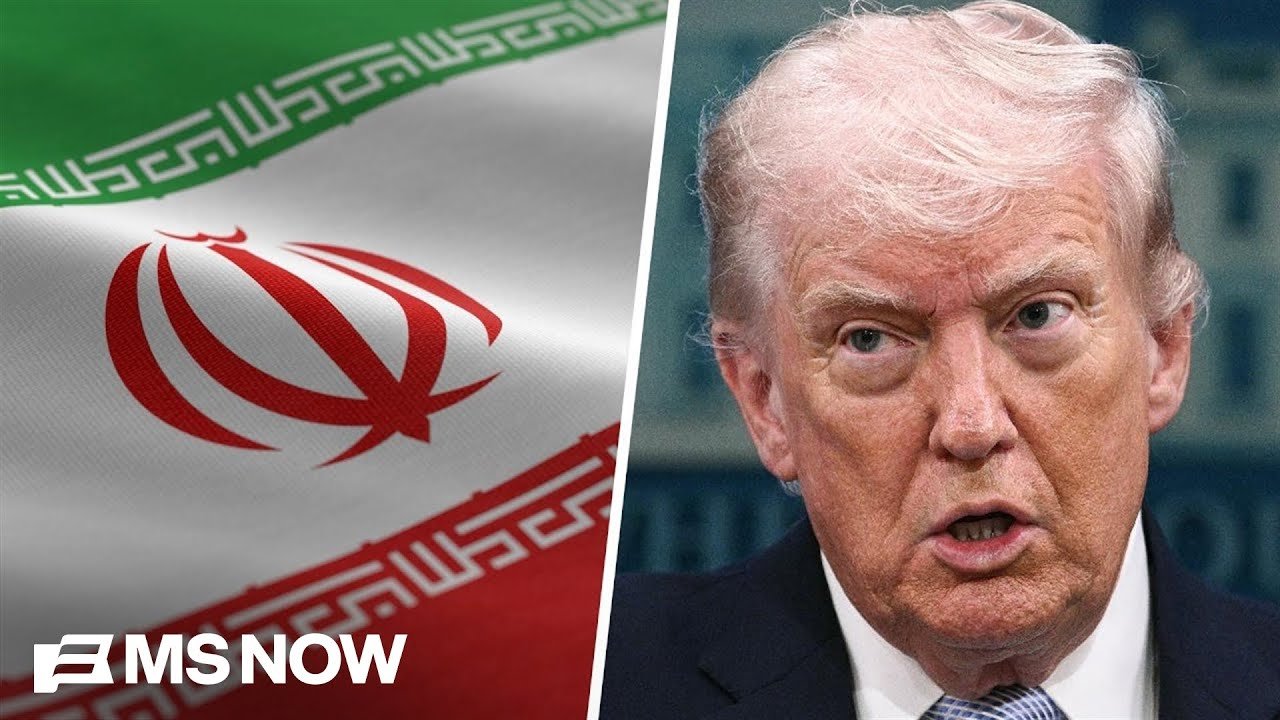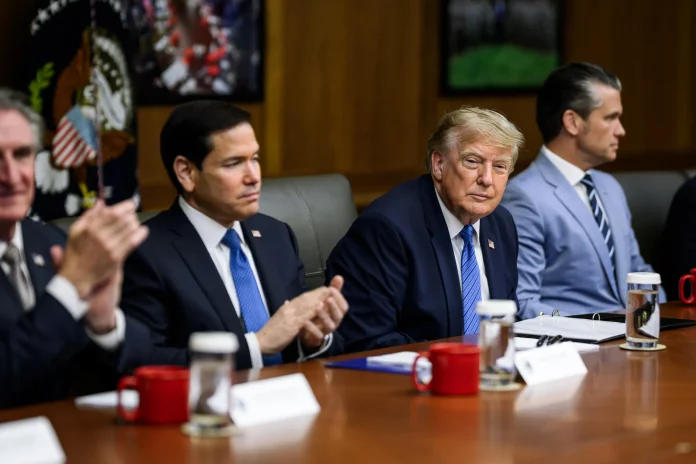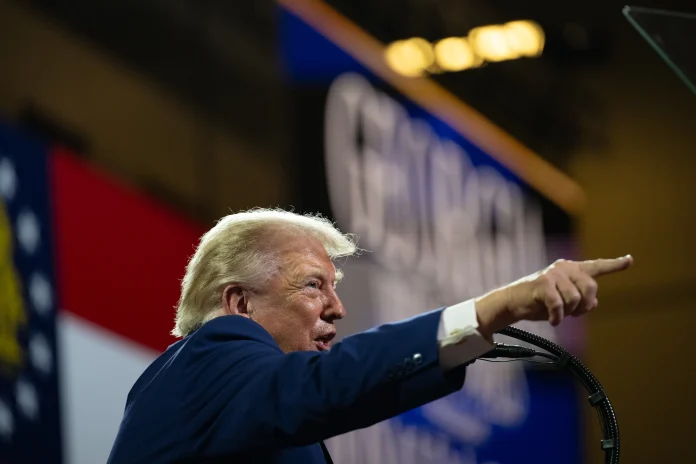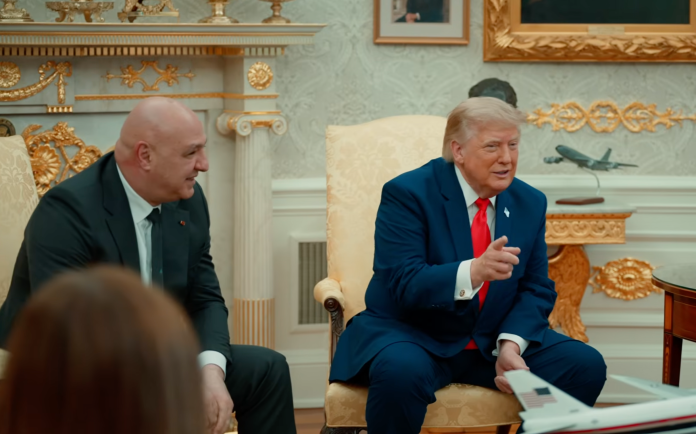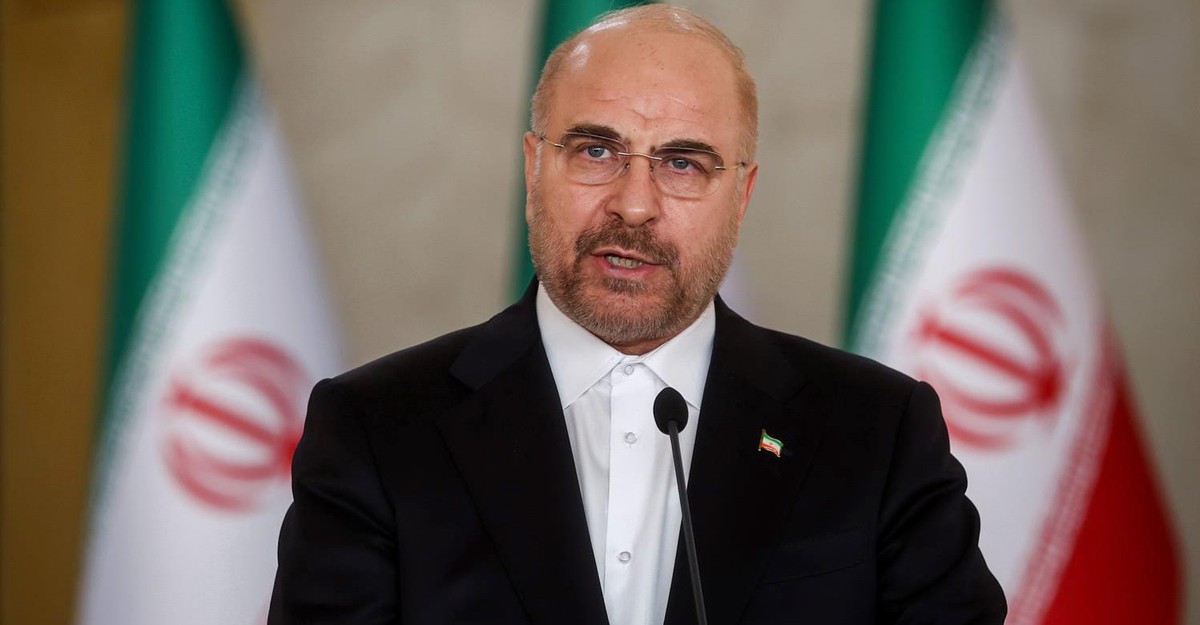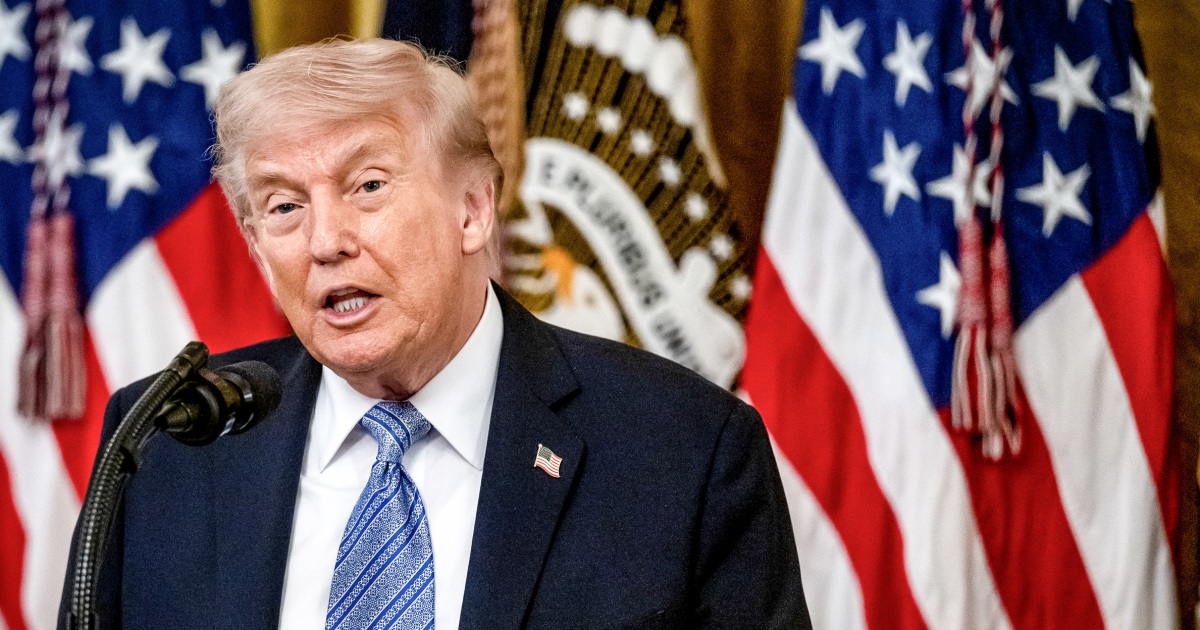

On May 5, 2026, US President Donald Trump announced the suspension of Project Freedom, a US Navy operation to escort stranded merchant vessels through the tense Strait of Hormuz, just 48 hours after its launch. The pause, at Pakistan’s request, aims to facilitate high-stakes negotiations potentially leading to a comprehensive peace deal with Iran.
Project Freedom is a US military operation launched on May 4, 2026, to escort stranded commercial vessels through the blockaded Strait of Hormuz amid the ongoing US-Iran conflict. Announced by President Trump on May 3 as a “humanitarian gesture,” it aimed to free around 2,000 trapped ships following Iran’s February blockade after US and Israeli strikes.
The initiative rebranded existing coordination to counter Iran’s control claims, amid naval blockades by both sides paralyzing 20% of global oil flows.
Two vessels successfully passed through
During its brief 48-hour active phase, the US Navy successfully escorted two merchant vessels, MV Alliance Fairfax (Maersk) and MT CS Anthem through the strait. Both were US-flagged merchant ships that had been stranded in the Persian Gulf since the start of the conflict in late February 2026.
MV Alliance Fairfax is a US-flagged vehicle carrier operated by Farrell Lines, a subsidiary of Maersk Line Limited. It had been stranded for over two months before exiting the Gulf on May 4, under the protection of US Navy guided-missile destroyers.
MT CS Anthem is a US-flagged chemical tanker operated by Crowley Maritime. It completed its transit safely on the same day as the Maersk vessel.
Some ships have managed to bypass the US naval blockade by coordinating directly with Iran. During the week of April 20–26, Lloyd’s List Intelligence reported that 35 ships successfully traveled through the waterway.
Iran has recently introduced a digital permit system via the “Persian Gulf Strait Authority” (PGSA). Under this system, vessels that comply with Iranian regulations and pay potential fees are reportedly being granted passage.
French containership hit by Iranian projectile
While these missions were successful, they represent a tiny fraction of the roughly 1,600 ships still stranded in the region. Vessels attempting to cross without an escort remain at extreme risk.
On May 5, 2026, the French containership CMA CGM San Antonio attempted to exit the strait without US coordination. It was struck by an Iranian projectile, resulting in crew injuries and vessel damage.
Iran’s Islamic Revolutionary Guard Corps (IRGC) has explicitly warned that any transit without their authorization will not be permitted.
Most global shipping companies are refusing to allow unescorted transits due to a lack of war risk insurance, with aggregate exposure in the region estimated at $20 billion. Experts from the EOS Marine Risk Group note that Iran has demonstrated the ability to detect and target ships even when they have their Automatic Identification System (AIS) turned off.
Global energy markets reel, with Brent crude hitting $100–$108 per barrel and US gasoline surpassing $4.50 per gallon.
Diplomatic path forward
Around late April 2026, the US presented a nine-point proposal via Pakistan, seeking a swift war end. Iran responded May 2-3 with its own 14-point counterplan, demanding US force withdrawals, blockade lifts, sanctions relief, frozen asset releases, compensation, and a new Strait of Hormuz transit mechanism—explicitly sidelining nuclear issues initially.
"I will soon be reviewing the plan that Iran has just sent to us, but can’t imagine that it would be acceptable in that they have not yet paid a big enough price for what they have done to Humanity, and the World, over the last 47 years…" – President Donald J. Trump pic.twitter.com/XFcIRvmR9U
— The White House (@WhiteHouse) May 2, 2026
On May 6, Foreign Ministry spokesperson Esmail Baghaei confirmed negotiators assessing a new, one-page US memorandum focused on formal war termination, followed by 30 days for details on sanctions, blockades, and Hormuz reopening.
The plan reportedly calls for Iran to accept a nuclear moratorium, including a 12- to 15-year freeze on uranium enrichment and a permanent pledge not to pursue nuclear weapons. In return, the US would gradually ease sanctions and release billions of dollars in frozen Iranian assets, while both sides would phase down restrictions on shipping to restore free transit.
Senior Iranian officials have dismissed the current draft as a “wish list” that fails to address their core demands, such as war reparations and a complete withdrawal of U. forces from the region.
Reports suggest political factions within Tehran are divided on whether to accept the terms, with some hardliners mocking the reports of a “close deal”.
Pakistan remains the primary channel for communication, having successfully brokered the current pause in military operations. Prime Minister Shehbaz Sharif and Field Marshal Asim Munir have been personally engaging with both US Vice President JD Vance and Iranian leadership to prevent the 15-day ceasefire from collapsing.
I am grateful to President Donald Trump for his courageous leadership and timely announcement regarding the pause in Project Freedom in the Strait of Hormuz.
— Shehbaz Sharif (@CMShehbaz) May 6, 2026
President Trump's gracious response to the request made by Pakistan and other brotherly countries, particularly the…
If Iran accepts the framework, a second round of high-level talks is expected to take place in Islamabad or Geneva within the next few days.