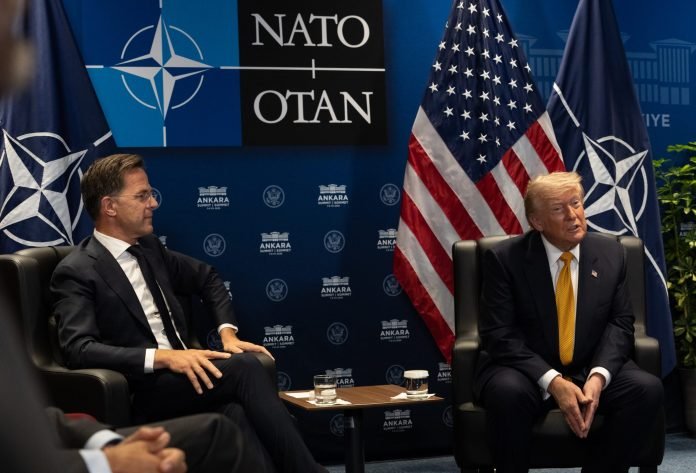








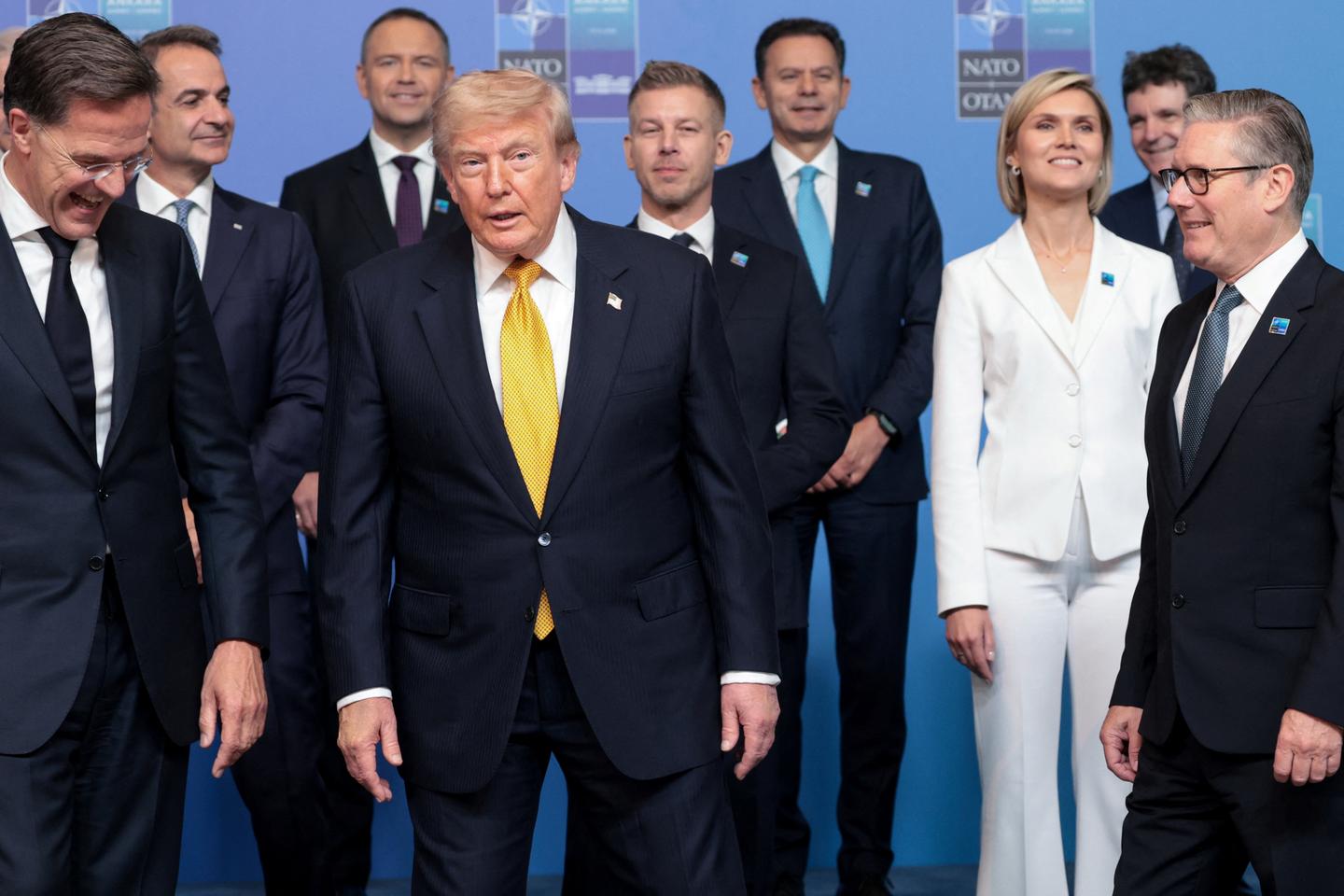
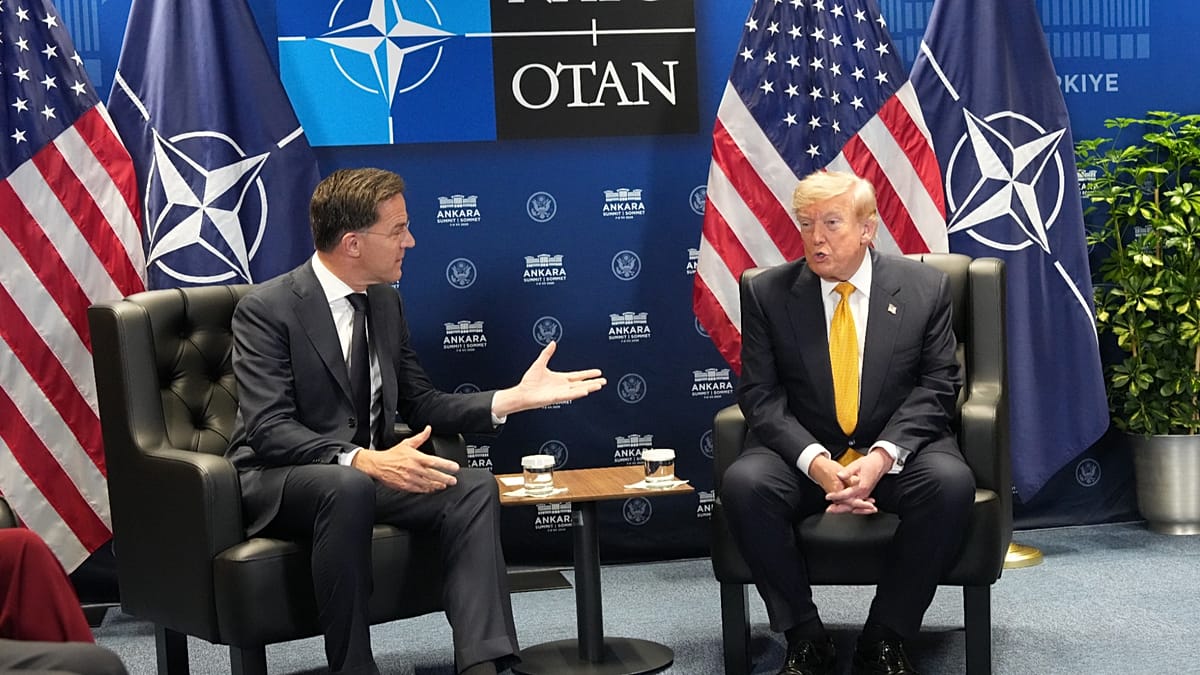
NATO leaders concluded the 36th NATO Summit in Türkiye on July 8, 2026, unveiling a sweeping strategic reset that combines record military spending, industrial mobilization, and emerging technologies as the alliance confronts a more volatile global security environment.
The Ankara Summit Declaration, a condensed one-page communiqué agreed by all 32 member states, reaffirms NATO’s core commitment to collective defense under Article 5 while laying out concrete financial and operational benchmarks designed to prepare the alliance for sustained, high-intensity conflict.
A wartime economic posture
At the center of the declaration is a clear shift toward what officials increasingly describe as a “wartime industrial base”.
NATO leaders agreed to remove internal barriers to defense trade and expand transatlantic supply chains, effectively treating industrial capacity as a core component of deterrence rather than a secondary support function.
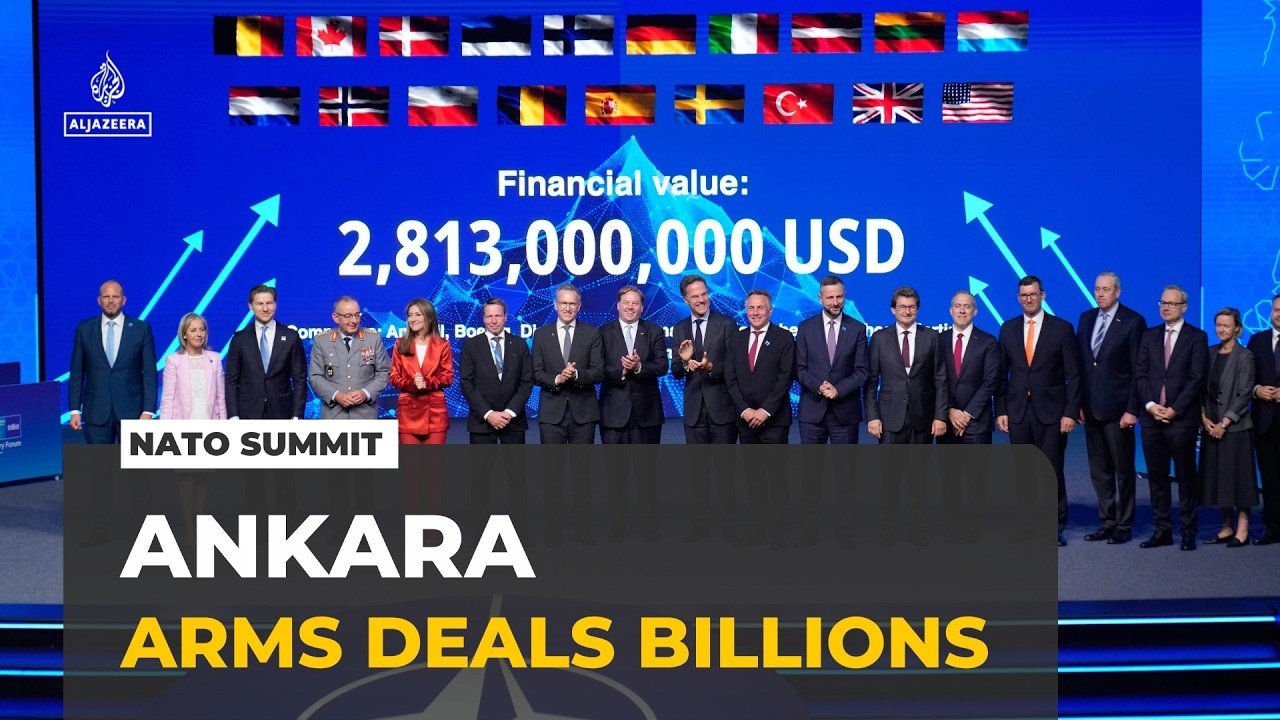
This shift is backed by significant financial commitments. Allies formalized more than $50billion in new defense procurement deals, targeting ammunition stockpiles, precision-strike systems, and manufacturing scalability.
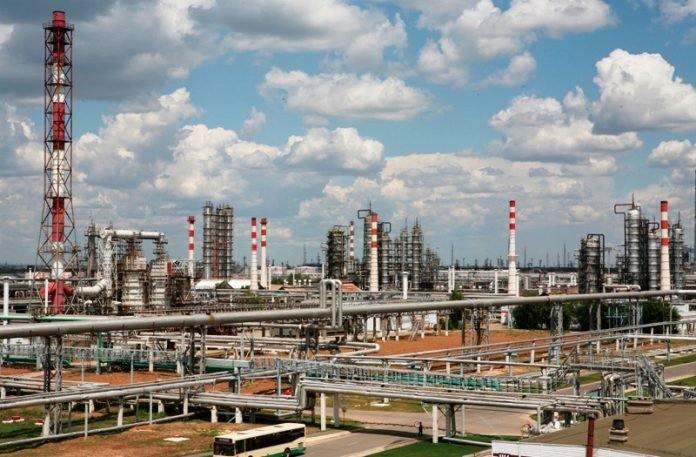
The summit also endorsed a €27billion investment to modernize fuel logistics, pipelines, and storage infrastructure—particularly along NATO’s eastern flank, where supply resilience is seen as critical in any prolonged conflict with Russia.
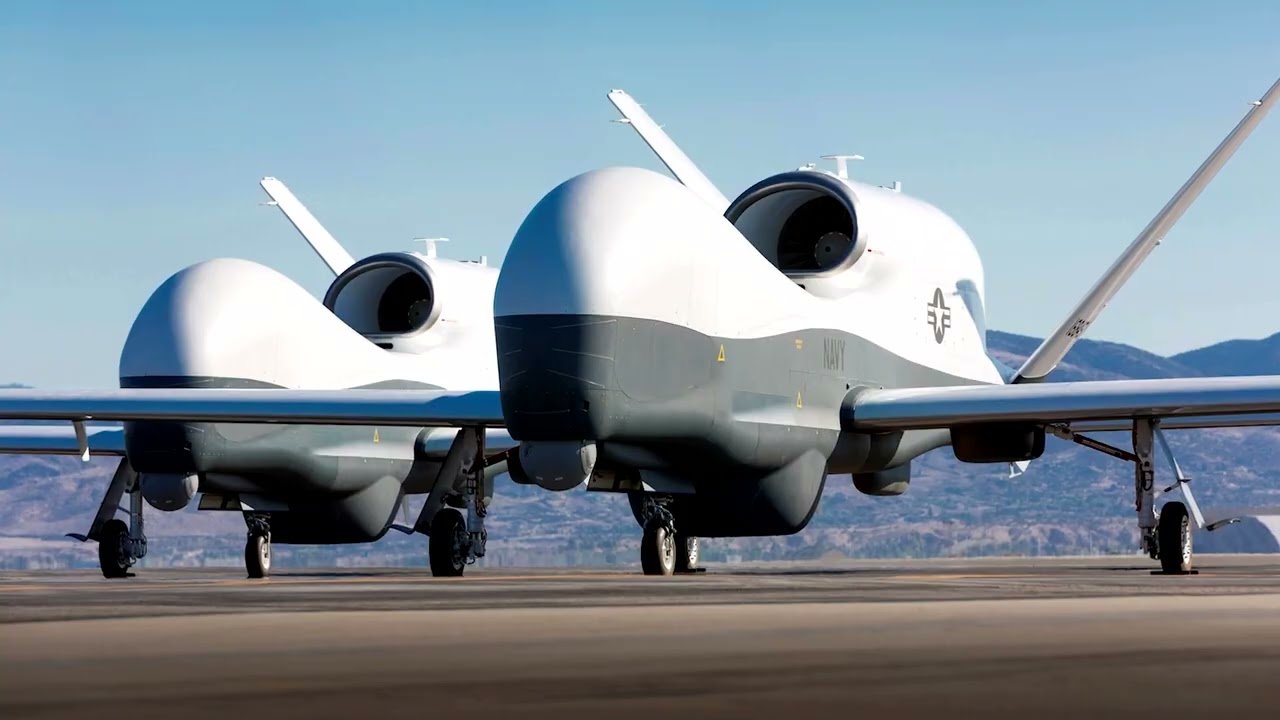
In parallel, the alliance committed $40billion over five years to counter-uncrewed aerial systems (C-UAS), reflecting the growing dominance of drones in modern warfare, particularly lessons drawn from Ukraine.
Sustained support for Ukraine
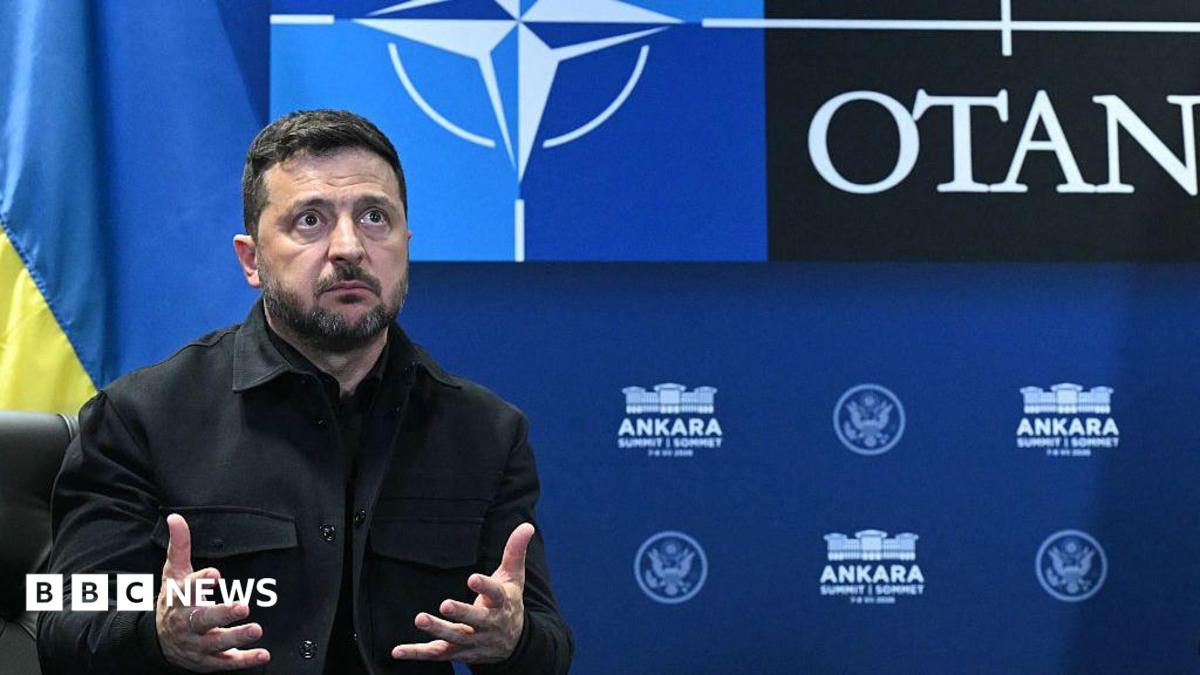
Ukraine remained a central focus of the summit. NATO allies pledged €70billion in military aid for 2026, covering weapons, training, and operational support, alongside a commitment to maintain at least equivalent funding levels into 2027.
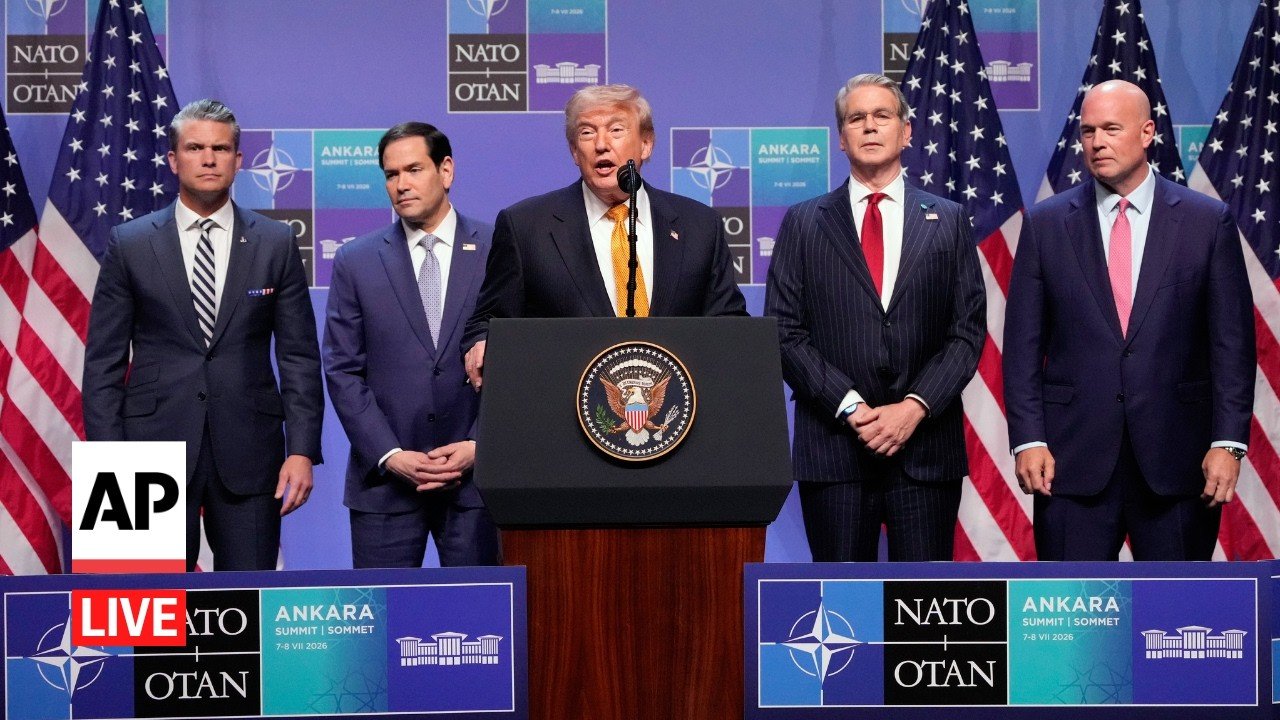
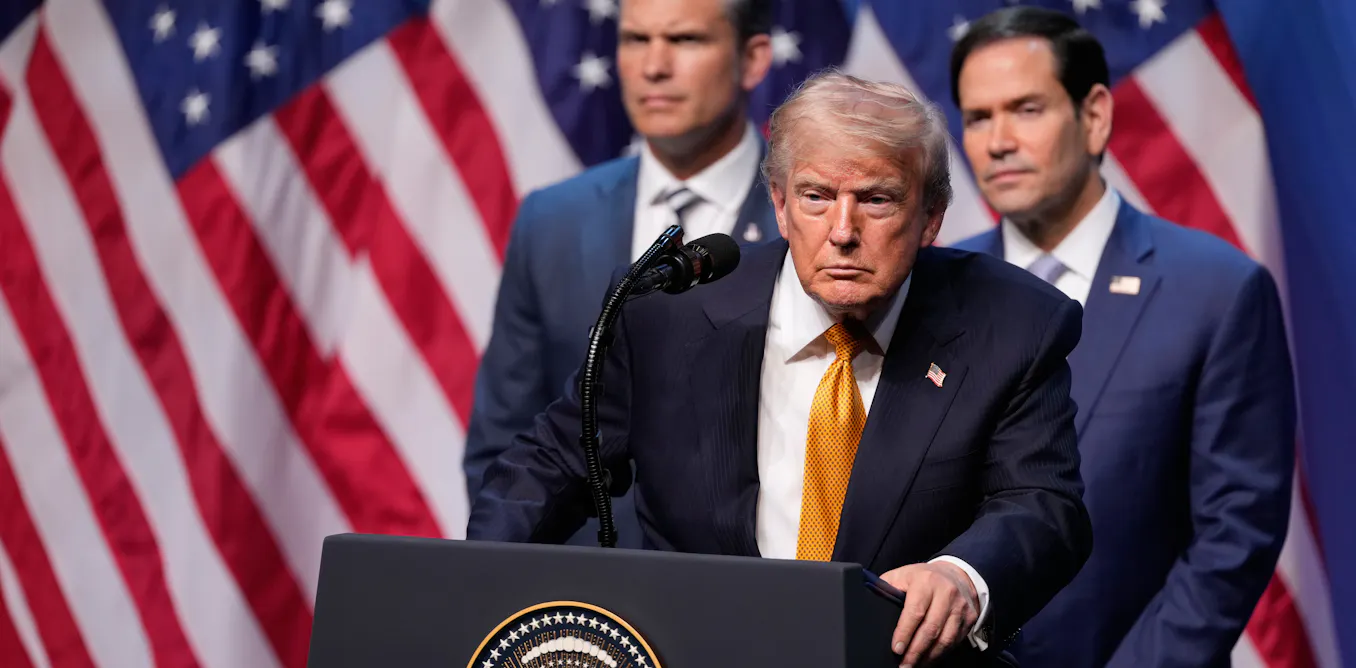
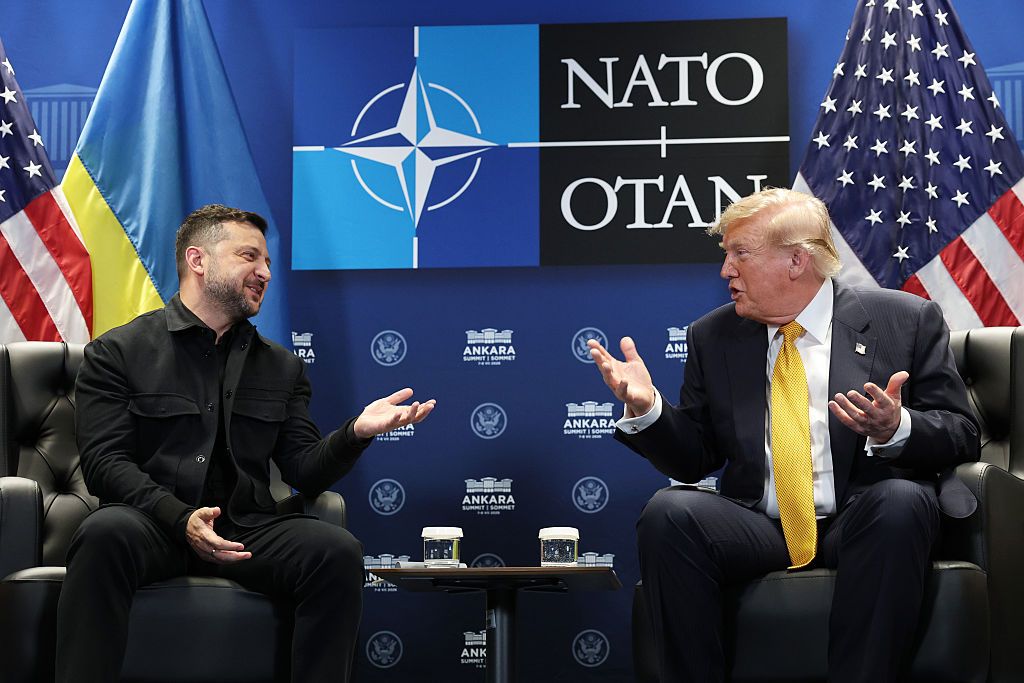
In a notable development, US President Donald Trump announced that Washington would allow Ukraine to domestically manufacture Patriot air defense systems under license—potentially accelerating Kyiv’s ability to defend against ongoing Russian missile and drone attacks while reducing reliance on Western supply chains.
Technology moves to the front line
The declaration marks NATO’s most explicit embrace yet of advanced technologies in warfare. Leaders confirmed the integration of artificial intelligence into operational planning and announced the development of a transatlantic “warfighting cloud”, aimed at enabling real-time data sharing, battlefield coordination, and interoperability across allied forces.
This reflects a broader doctrinal shift: future conflicts are expected to be decided not only by troop numbers or hardware, but by data speed, automation, and networked decision-making.
Burden-sharing and a stronger Europe
The summit highlighted a significant rebalancing within the alliance. Non-US members increased defense spending by $139billion in 2025 alone, reinforcing a push toward greater European and Canadian self-reliance.
The declaration explicitly endorses the idea of a “stronger Europe in a stronger NATO,” signaling that while the United States remains central, allies are expected to carry a larger share of the military and financial burden.
This trend builds on the 2025 Hague Summit’s long-term goal of pushing defense spending toward 5% of GDP among members, a target that remains politically contentious but increasingly central to NATO planning.
Russia, Iran, and expanding threat horizons
NATO formally reiterated that Russia represents the “principal and long-term threat” to Euro-Atlantic security, while also emphasizing persistent risks from terrorism.
Beyond Europe, the declaration adopts a firmer stance on the Middle East. It states that Iran must not acquire nuclear weapons and calls for the protection of maritime security in the Strait of Hormuz — a vital global energy corridor.
On the ground, NATO allies committed to deploying minesweepers to safeguard commercial shipping routes amid rising tensions with Tehran.
Complicating the picture, President Trump used the summit to announce that a US-Israel ceasefire with Iran had effectively ended following attacks on commercial vessels, with US drone and missile strikes resuming shortly after. The development underscored how rapidly escalating regional conflicts are intersecting with NATO’s broader strategic agenda.
Unity — with visible friction
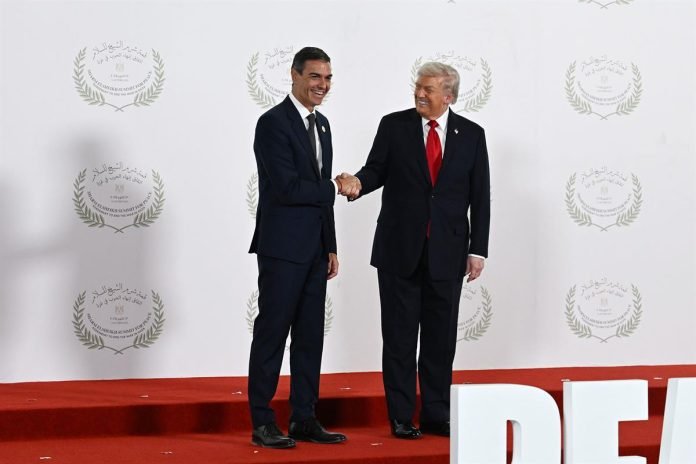
Despite the show of unity in the final communiqué, divisions among allies surfaced במהלך the summit. Trump publicly criticized Spain for restricting US access to its bases during operations linked to Iran, highlighting ongoing disagreements over how far NATO should be drawn into Middle Eastern conflicts.
Diplomatic tensions aside, NATO leadership emphasized that consensus on core principles — particularly collective defense and support for Ukraine — remains intact.
A symbolic and strategic summit
Hosted at Ankara’s Beştepe Presidential Complex, the summit also carried symbolic weight for Türkiye, which has positioned itself as an increasingly influential defense producer and geopolitical broker.
President Recep Tayyip Erdoğan reportedly presented attending leaders with commemorative firearms manufactured domestically, underscoring the country’s expanding defense industry.
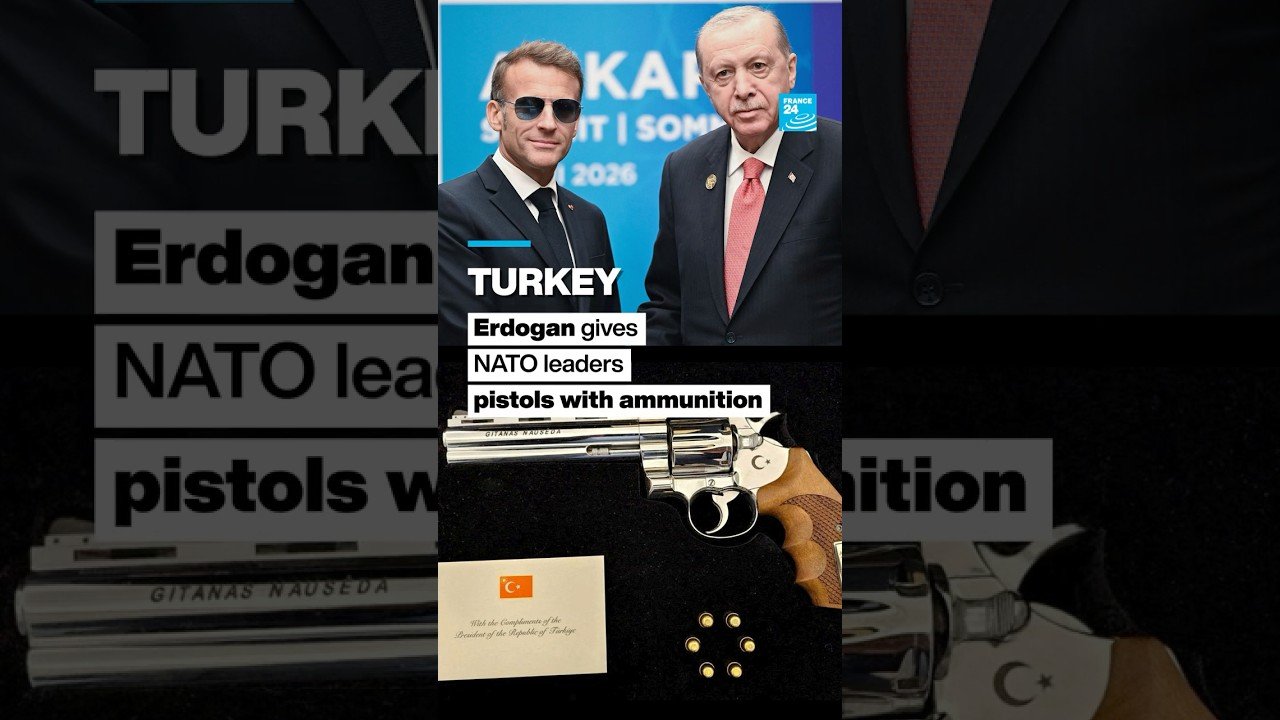
More substantively, the summit was accompanied by a Defense Industry Forum, reinforcing NATO’s push to align political commitments with industrial output.
The bigger picture
Taken together, the Ankara Summit marks one of NATO’s most consequential pivots since the Cold War. The alliance is not only increasing spending, but restructuring itself around sustained conflict readiness, technological integration, and supply chain resilience.
An illustrative example is the drone threat: rather than treating drones as a niche capability, NATO is now investing tens of billions to counter them at scale, integrating detection, electronic warfare, and interception systems across all member states. This reflects a broader realization that modern warfare is evolving faster than traditional military planning cycles.
With Russia entrenched as a long-term adversary and instability spreading across the Middle East, NATO’s latest strategy suggests the alliance is preparing not just to deter conflict — but to operate effectively within it if necessary.