







President Donald Trump announced a temporary three-day pause on scheduled 50% tariffs against Canada after declaring that the two countries have reached a tentative trade agreement, subject to final document signing. The last-minute delay was posted on Truth Social less than two hours before the crushing duties on roughly $20billion to $28billion worth of Canadian imports were set to take effect.
The tariffs were originally set to take effect at 12:01am ET on Wednesday, August 19, 2026. At 10:15pm ET Tuesday, Trump announced on Truth Social that he would pause the tariffs for three days.
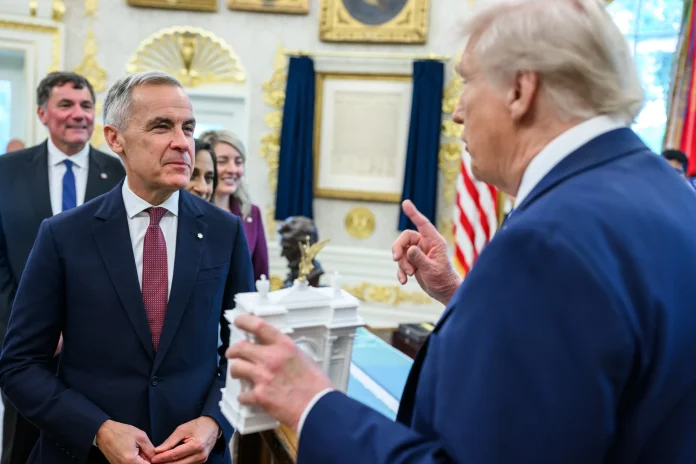
Canadian Prime Minister Mark Carney confirmed shortly afterwards that the US had agreed to suspend the tariffs until the end of day August 21, 2026. The new tariff deadline, if documents are not finalized, is 12:01am ET Saturday, August 22.
Key details of the tentative deal
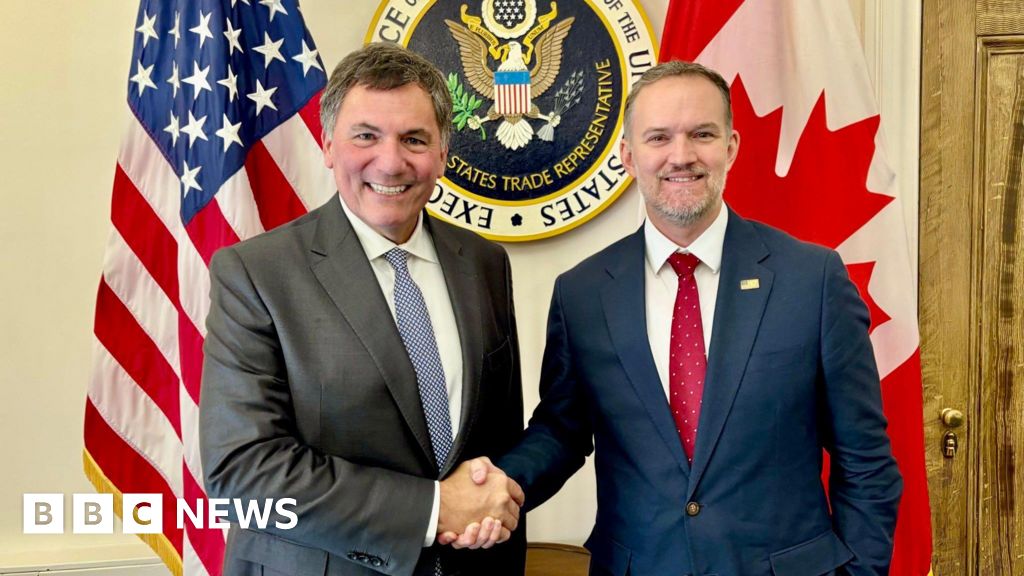
While official text is still being finalized, early statements from the White House and US Trade Representative Jamieson Greer outline major focus areas:
Agricultural access
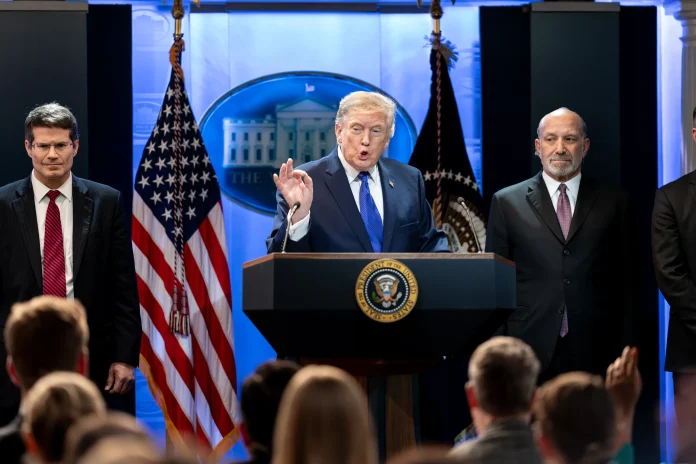
Trump stated repeatedly that Canadian tariffs on American agricultural goods will be “totally eviscerated down to zero,” providing a major boost to US farmers.
The tariffs will be non-existent for our farmers. Our farmers were paying tremendous tariffs into Canada, and those tariffs are going to be totally eviscerated. Down to zero.
President Trump told reporters on August 19.
However, Canadian officials have pushed back on the scope of concessions. Canada’s minister responsible for trade, Dominic LeBlanc, told reporters that Canada’s “agriculture sector will be well protected and we have maintained our tough line,” while a senior Canadian official explicitly said supply management was “not on the table” and Canada’s dairy system would remain protected.
Steel, aluminum, and automobiles
Multiple reports indicate the US is prepared to cut existing steel and aluminum tariffs on Canadian goods from 50% to 25% as part of the deal. Trump also hinted at reductions on auto tariffs, telling reporters: “We’re doing certain things. We’re giving, going to give something.”
Earlier reporting suggested the US is considering reducing its existing 25% tariff on Canadian vehicles down to 15%, depending on the volume of American-made content used in production, though final levels are still being decided.
Alcohol and dairy
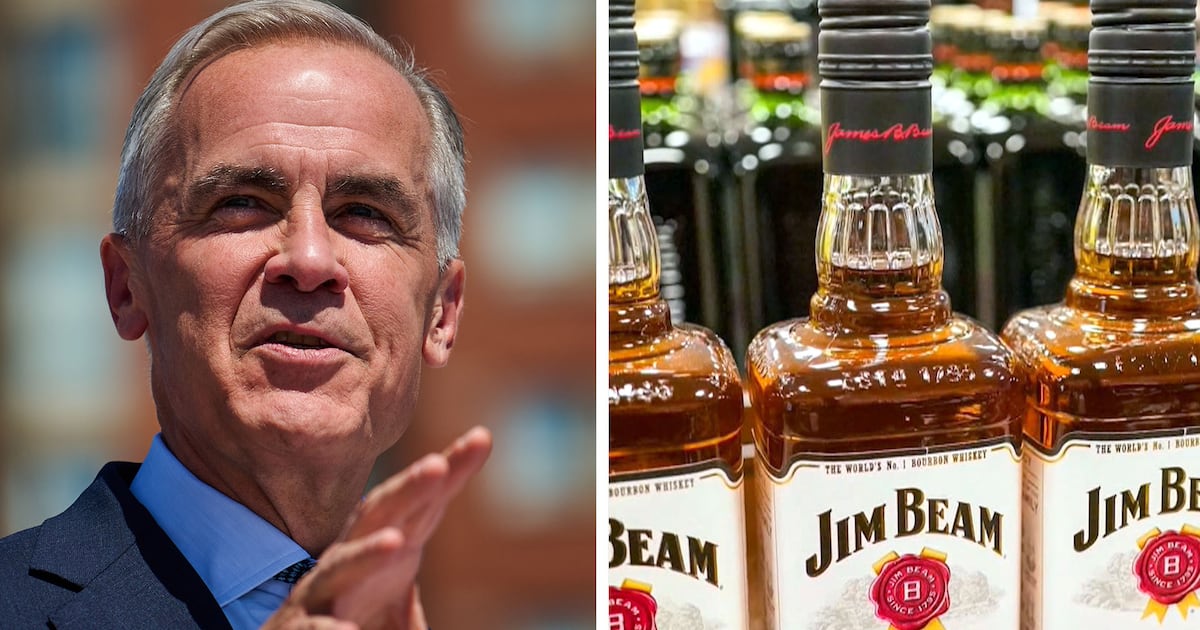
The agreement seeks to resolve long-standing irritants by expanding US cheese market access and ending provincial Canadian boycotts on American liquor. Prime Minister Carney has asked Canadian provinces to restock American alcohol on their shelves following the pause announcement.
On dairy, the White House publicly said Canada moved on three sectors, including dairy, with the US seeking changes to rules on the types of dairy products they could sell into Canada tariff-free.
Economic alignment and digital trade
US Trade Representative Jamieson Greer wrote in an X post that the deal “will include comprehensive market access for all American goods, economic security commitments, digital trade alignment, and many important provisions that will continue to protect our market and American workers, along with our Canadian partners”.
Congratulations Mr. President. The deal will include comprehensive market access for all American goods, economic security commitments, digital trade alignment, and many important provisions that will continue to protect our market and American workers, along with our Canadian… https://t.co/YSQ4rNmKAv
— United States Trade Representative (@USTradeRep) August 19, 2026
Keystone XL Pipeline
Trump hinted on Truth Social that the cross-border Keystone XL oil pipeline project, which was canceled in 2021, “may be awoken from the grave” as part of the broader economic alignment, though no formal commitment has been detailed in the emerging terms.
Canada’s response
Canadian Prime Minister Mark Carney confirmed that “substantial progress has been made” after intensive, last-minute phone calls with Trump. However, Carney cautioned in a public letter that “important work still remains to be done” before a final cross-border agreement is officially locked in.
My statement on ongoing Canada-U.S. trade negotiations: pic.twitter.com/rzWZJFYe8e
— Mark Carney (@MarkJCarney) August 19, 2026
A senior Canadian official called the emerging terms “a very good deal for Canada” while cautioning that negotiations were not complete.
Why the tariffs were looming
The Trump administration attempted to deploy Section 338 of the Tariff Act of 1930 — a Great Depression-era law never used before by any president — to levy the 50% taxes. The White House argued the aggressive measure was necessary to penalize Canada for what it deemed “discriminatory treatment” of American exports.
The postponed round of tariffs would have hit $20.2billion to $28billion of Canadian goods, ranging from hockey sticks and ice skates to honey, some dairy products, electronics, industrial machinery, furniture, and wine. Economists had warned that if the tariffs moved forward, they would severely disrupt integrated supply chains and drive up consumer prices in both nations.
What happens next
Negotiators now have until 12:01am ET Saturday, August 22, to finalize documents. If the paperwork is not completed by then, the 50% tariffs could snap back into effect. Both sides have signaled that talks remain “very sensitive and tense”, with Carney describing the negotiations in those terms while affirming progress.