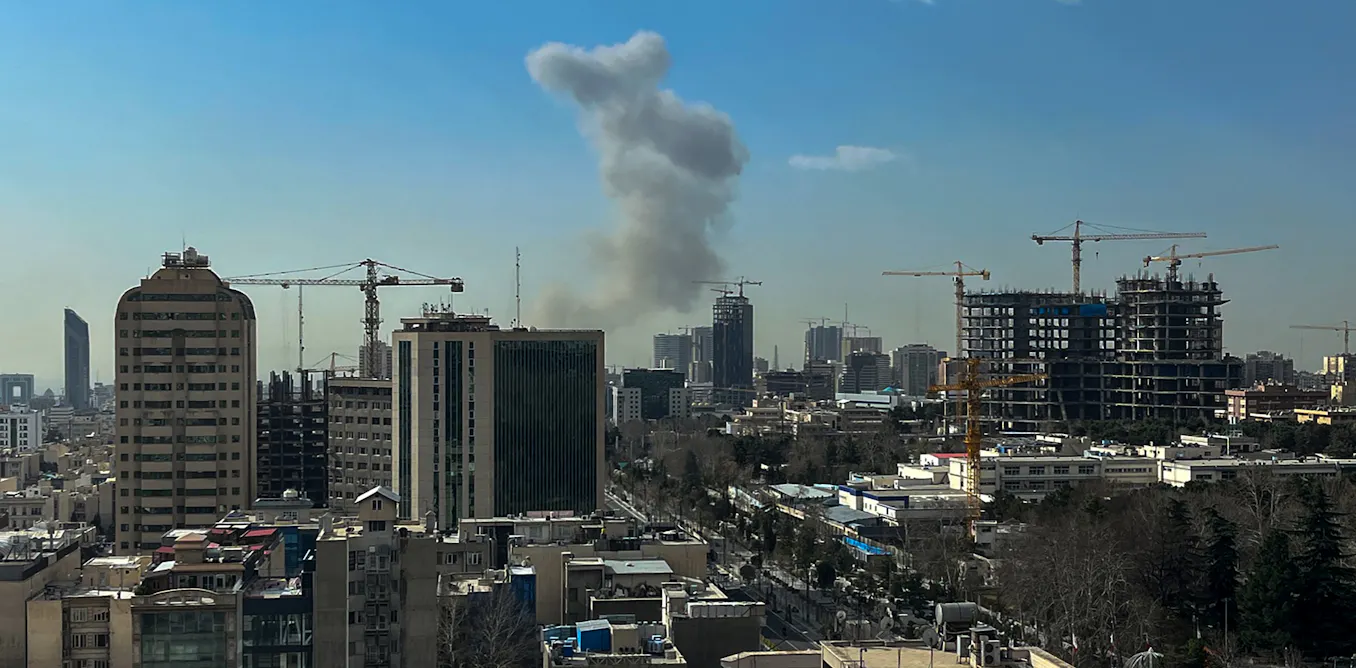
The Israel Defense Forces “fired the first shot” on Saturday morning, local time.
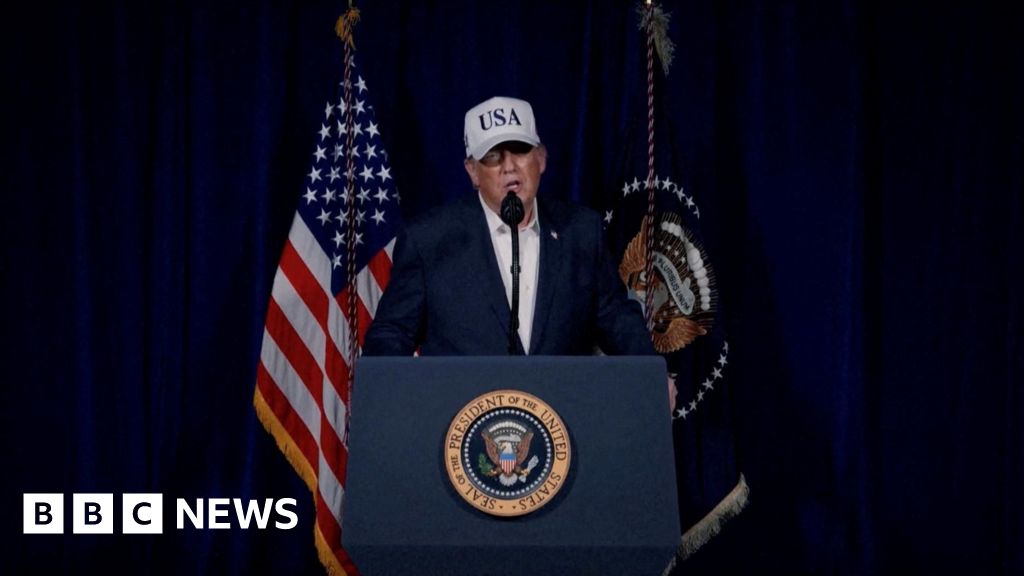
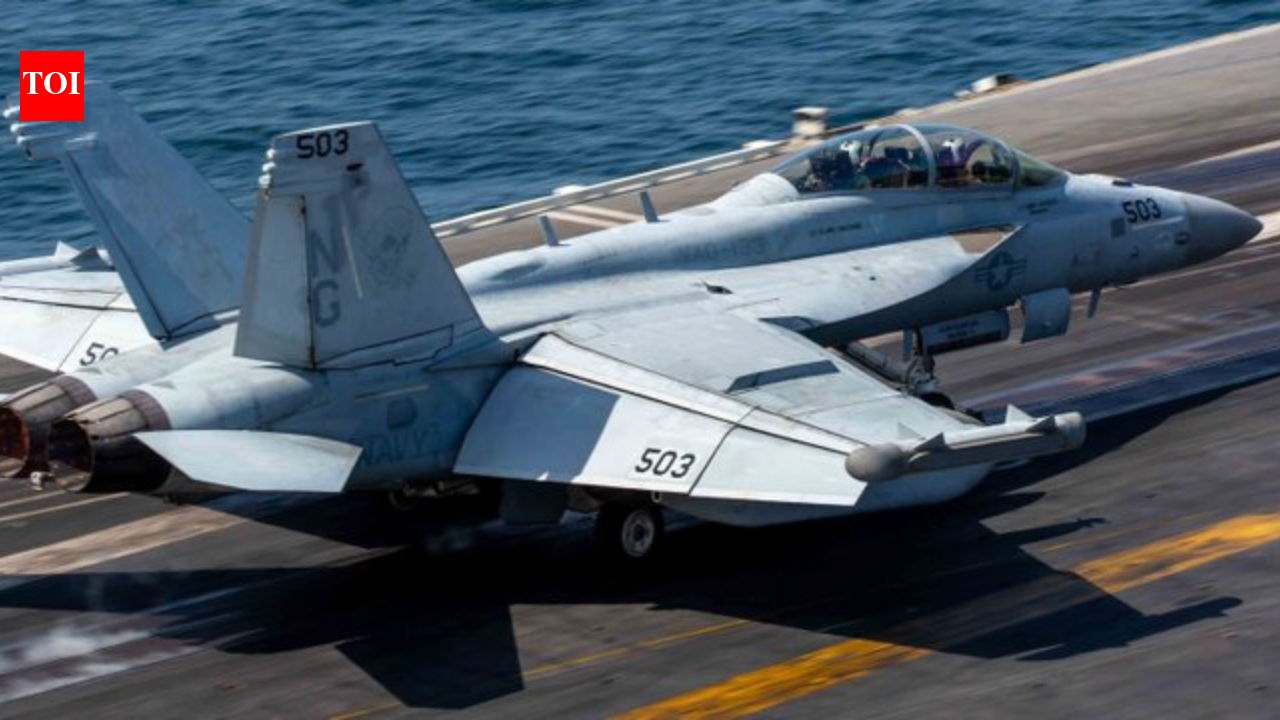
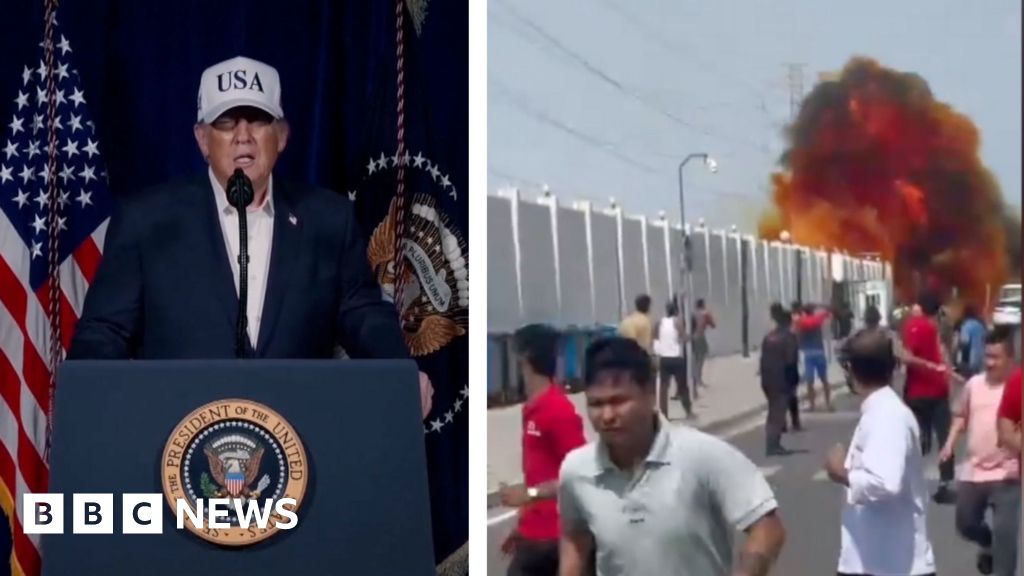
Just over an hour after Israel’s initial “pre-emptive strike,” President Donald Trump confirmed that the US military had begun “major combat operations.”
While the strikes were sequential, the IDF confirmed the campaign was the result of “months of close and joint planning,” allowing for “full synchronization” between the two militaries.
The operation was a unified effort to achieve shared goals.
Eliminating “imminent threats”
President Trump stated the operation aimed to defend the American people from “imminent threats” and “menacing activities” targeting US troops and bases. A coordinated “decapitation strike” targeted the Supreme Leader’s compound in Tehran.
Israeli Prime Minister Benjamin Netanyahu described the strikes as a “pre-emptive attack” to remove an “existential threat” and ensure Iran never obtains a nuclear weapon.
The operation specifically targeted Iran’s ballistic missile program, naval forces and regional proxy networks, known as the “Axis of Resistance,” to prevent further regional destabilization.
Both leaders explicitly framed the attack as an opportunity for the Iranian people to “take their destiny into their own hands” and topple the current government.
Both nations explicitly called for the Iranian people to topple the current government.
Immediate impact and casualties
Iranian state media confirmed the death of Ayatollah Ali Khamenei following a strike on his Tehran compound. Other high-ranking officials reported killed include the Defense Minister, the Commander of the Revolutionary Guard Corps and the Secretary of the Iranian Security Council.
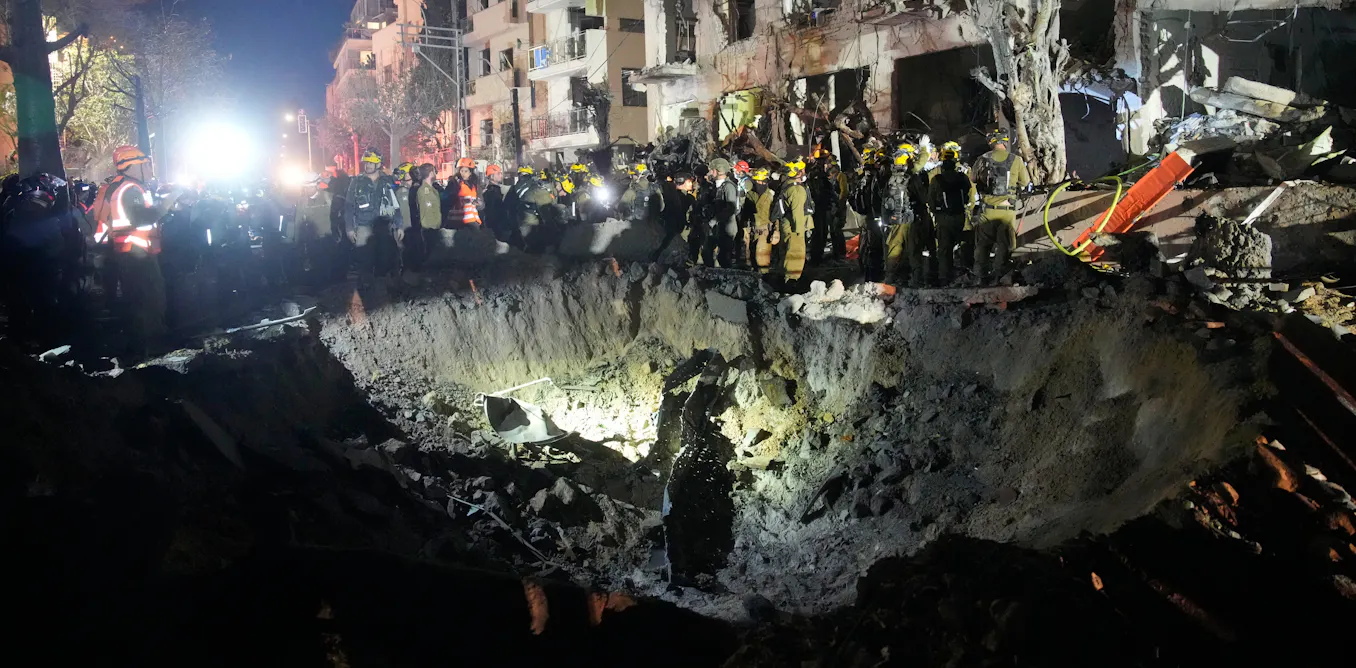
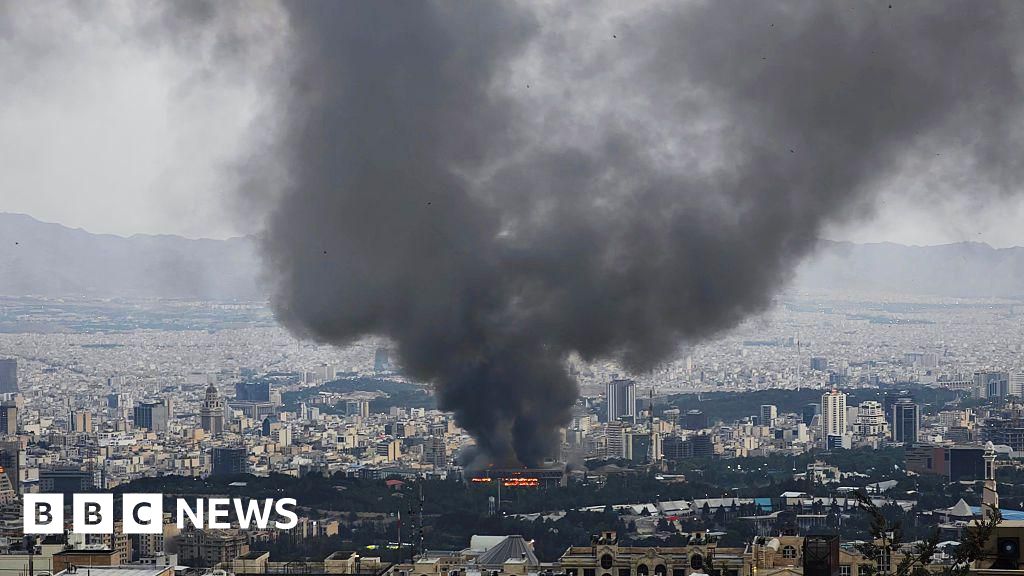
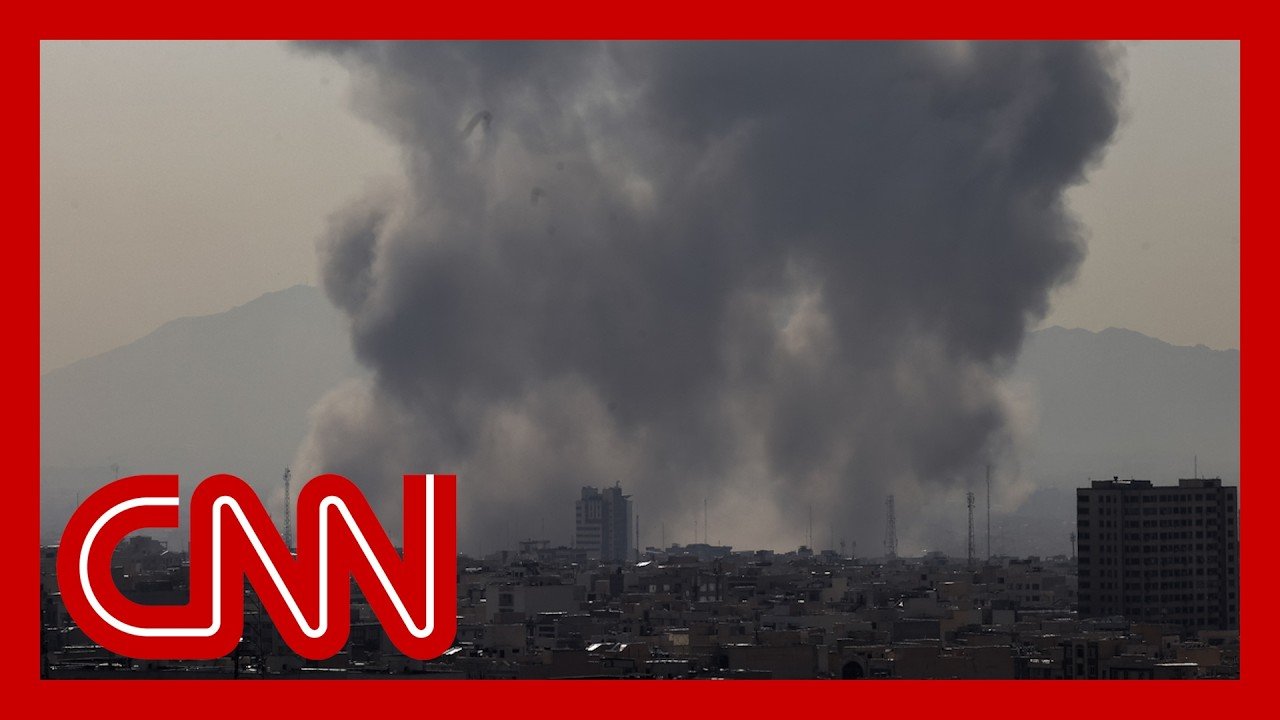
Over 500 targets were hit, including aerial defense systems, ballistic missile launchers and command centers.
Significant strikes were recorded in Tehran, Isfahan, Karaj, Kermanshah, Qom and Tabriz.
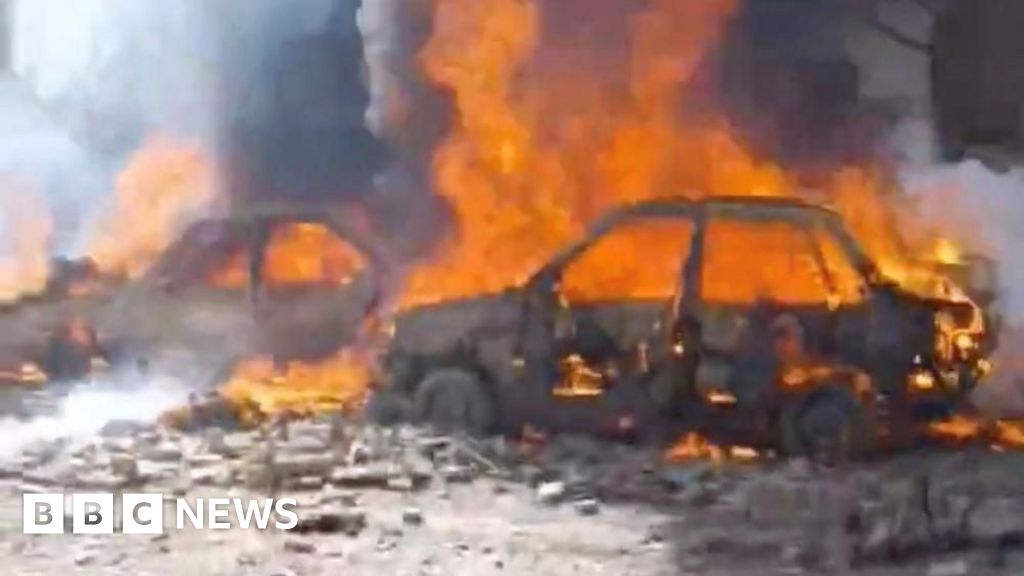
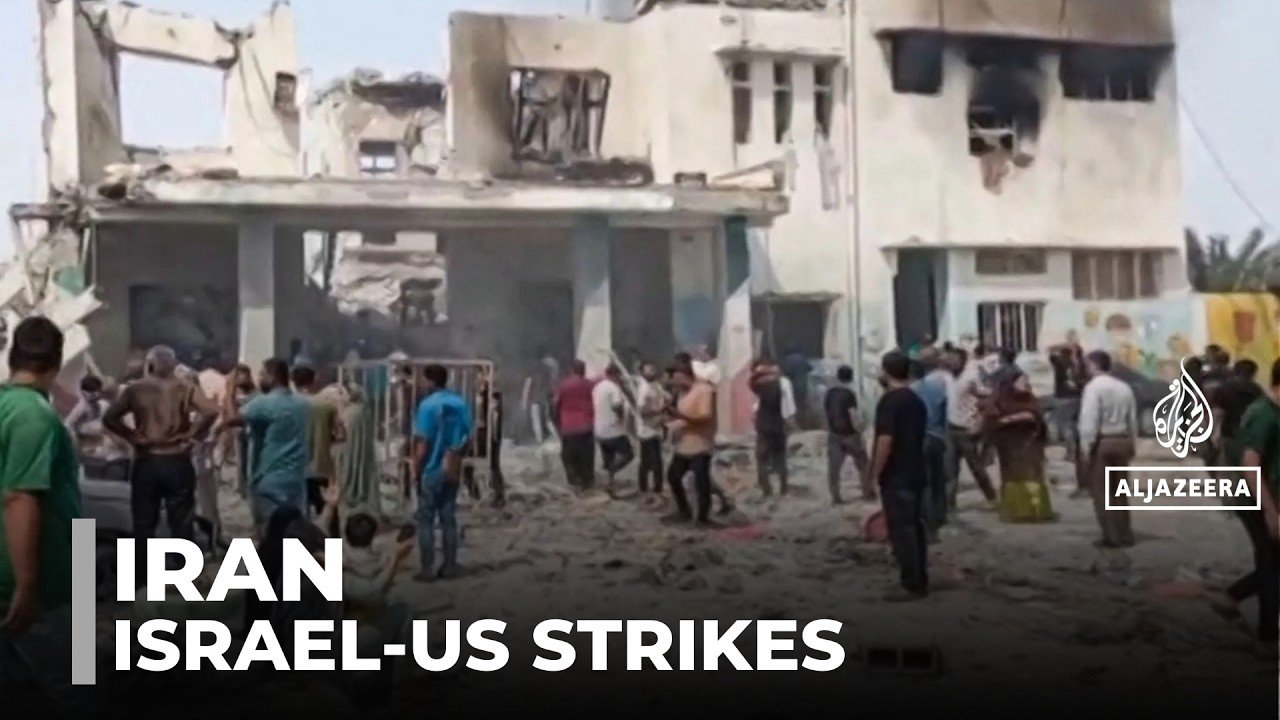
The Iranian Red Crescent reported over 200 people killed and approximately 750 injured across the country. A specific strike on a girls’ school in Minab reportedly killed at least 108 students.
President Donald Trump stated the operation aims at “eliminating imminent threats” and urged the Iranian people to “take over your government.”
National mourning declared in Iran
The Iranian government has declared 40 days of mourning and a 7-day public holiday following Khamenei’s death.
The Islamic Revolutionary Guard Corps described Khamenei’s death as “martyrdom” and vowed a “devastating” response against those responsible.
Iran launches unprecedented retaliatory strikes
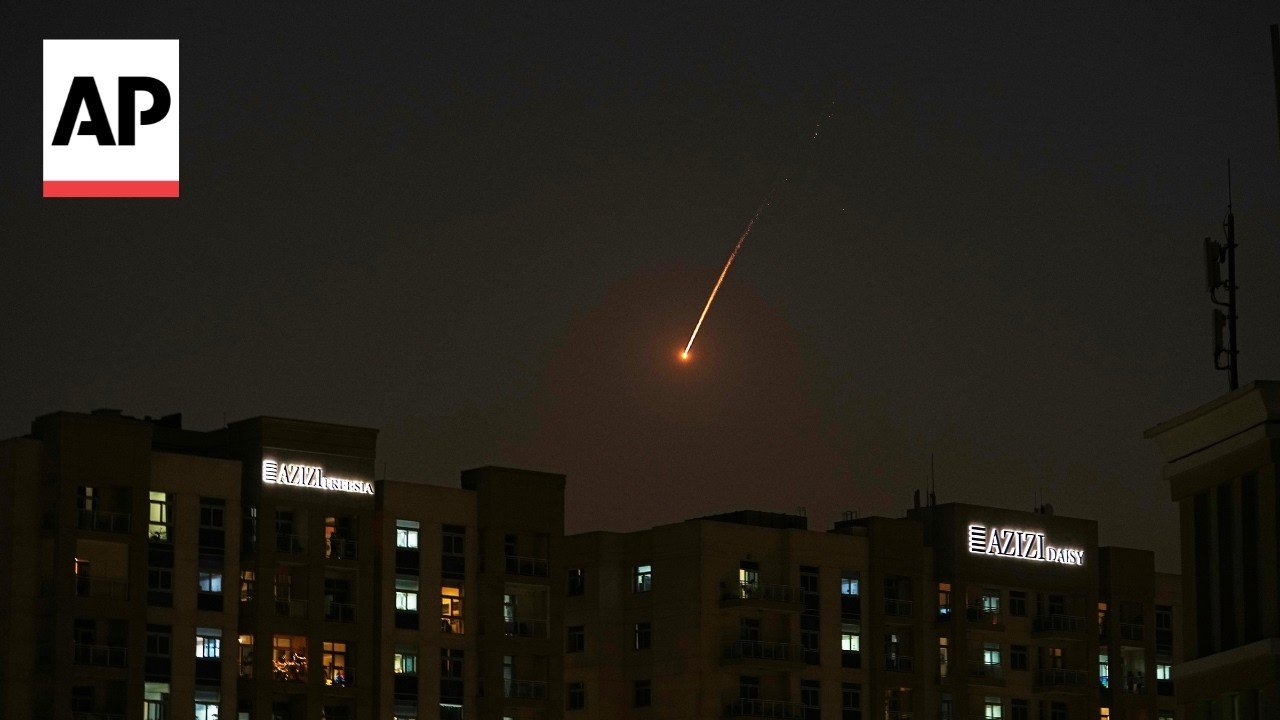
Iran launched an unprecedented wave of retaliatory strikes across the Middle East targeting Israel and US military bases.
Missiles and drones were fired at US assets in Bahrain, including the US Navy 5th Fleet; Kuwait, including Ali Al-Salem Air Base; Qatar, including Al Udeid Air Base; the UAE; and Jordan.
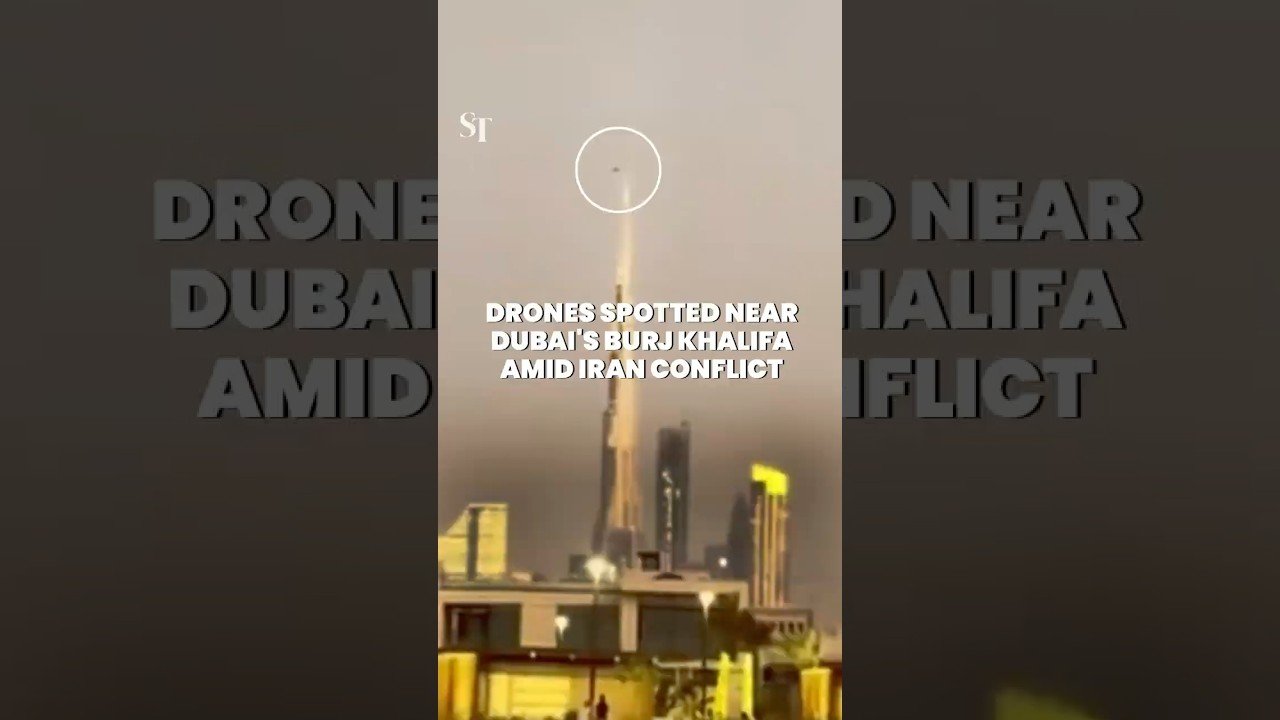
Iranian missiles hit civilian targets including luxury hotels in Dubai, the Fairmont and Burj Al Arab.
Most retaliatory strikes were intercepted by regional air defenses. The UAE reported intercepting over 130 missiles and 190 drones.
Multiple countries, including Iran, Israel, Iraq and the UAE, have closed or restricted their airspace, leading to widespread flight cancellations.
Oil prices have surged amid fears of a wider regional conflict and potential disruptions to the Strait of Hormuz.

Reactions from regional and international bodies
The use of force by the United States and Israel against Iran, and the subsequent retaliation by Iran across the region, undermine international peace and security.
The use of force by the United States and Israel against Iran, and the subsequent retaliation by Iran across the region, undermine international peace and security.
UN Secretary General, Antonio Guterres
I call for an immediate cessation of hostilities and de-escalation. Failing to do so risks a wider regional conflict with grave consequences for civilians and regional stability.
The UN Security Council held an emergency meeting. Secretary-General Guterres condemned the “military escalation” and “use of force,” warning that the strikes and Iranian retaliation risk “igniting a chain of events that no one can control.” He noted that sensitive diplomatic talks were “squandered” by the attack.
Russia and China strongly condemned the operation and called for an immediate ceasefire.
EU top officials, including Ursula von der Leyen, called the situation “greatly concerning” and urged “maximum restraint.” While the EU did not explicitly condemn the US-Israeli strikes, it called for a return to diplomacy to ensure “nuclear safety.”
In a joint statement, the United Kingdom, France and Germany refrained from directly commenting on the US-Israeli strikes but strongly condemned Iran’s retaliatory attacks on regional neighbors. They urged Iran to resume negotiations and stated the Iranian people should “determine their future.”
The 22-nation Arab League focused its condemnation on Iran’s retaliatory strikes, calling them a “blatant violation of sovereignty” against countries striving for stability.
Gulf states including Saudi Arabia, the UAE, Kuwait and Qatar denounced Iranian aggression targeting their territories. Oman, the primary mediator in nuclear talks, expressed “dismay” and urged the US not to get drawn further into the conflict.
Canada and Australia expressed explicit support for the military action. Canadian Prime Minister Mark Carney identified Iran as the “principal source of instability” in the region. Australian Prime Minister Anthony Albanese backed the effort to prevent Iran from obtaining nuclear weapons.

Read also: 2025 Iran-Israel’s 12-day war