US resumes testing of nuclear weapons

Jump to Timeline

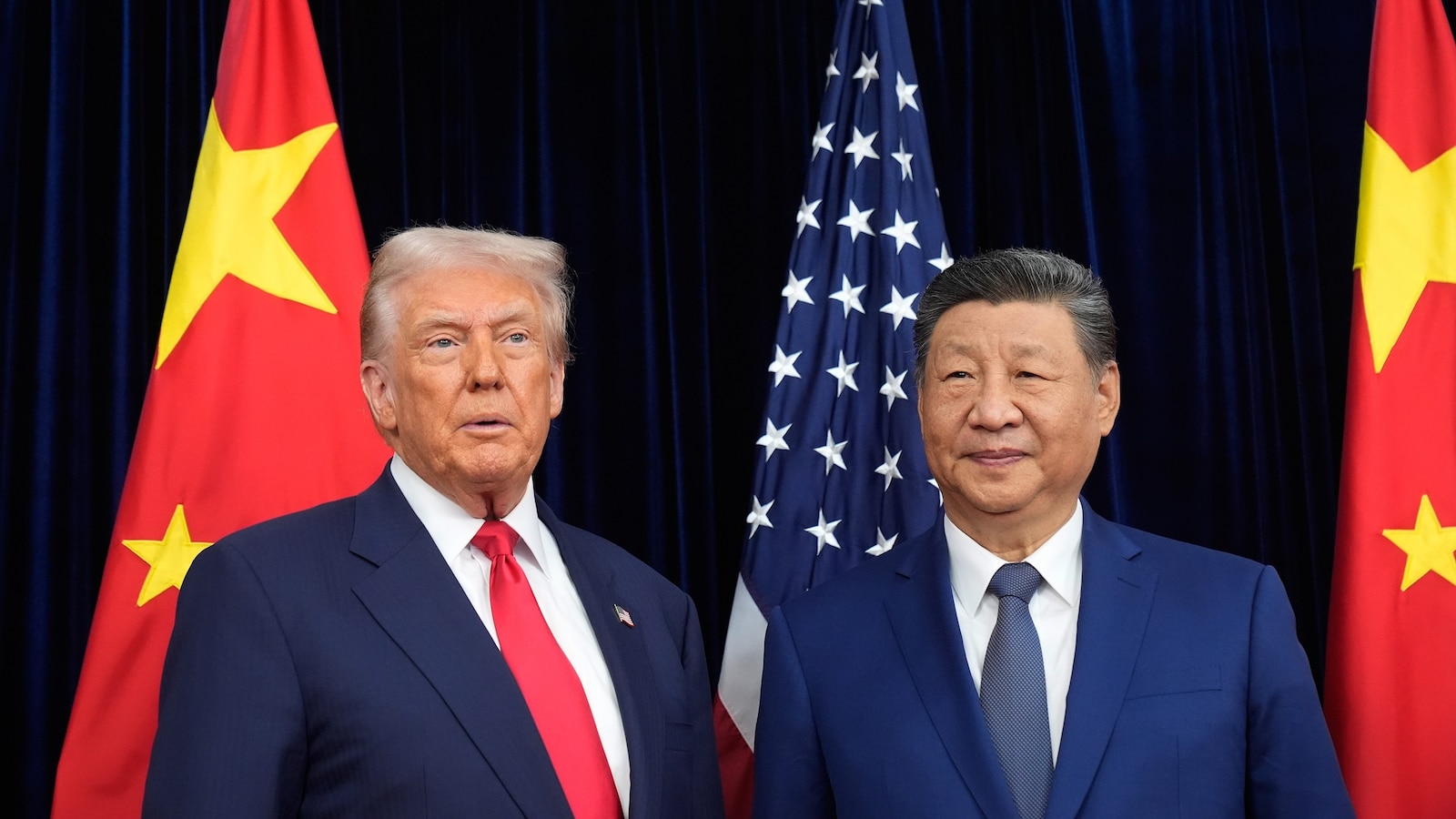
On October 30, 2025, President Donald Trump ordered the immediate resumption of nuclear weapons testing, ending a 33-year moratorium observed by the US since 1992. Trump instructed the Pentagon to begin testing on an equal basis with other nuclear-armed powers like Russia and China.

The president cited recent actions by rival nations, specifically claiming that they are already conducting tests. This follows reports of Russia testing nuclear-capable delivery systems such as the Poseidon underwater drone.

Initial confusion existed over whether the order referred to explosive nuclear detonations or system tests of delivery platforms like missiles. Energy Secretary Chris Wright later clarified that current plans involve noncritical system tests that do not feature nuclear explosions.

Trump also reiterated a desire for new negotiations to achieve eventual denuclearization, suggesting the testing order could be a negotiating tactic.

International treaties at stake

The move challenges the Comprehensive Nuclear-Test-Ban Treaty, which bans all atomic test explosions. While the US is a signatory to the treaty, it has never ratified it.

Experts from the Arms Control Association estimate it could take the US at least 36 months to prepare for actual underground explosive tests at the Nevada National Security Site. Lawmakers in Nevada, where previous tests were held, have introduced legislation to block the resumption of explosive testing.

Russia’s response

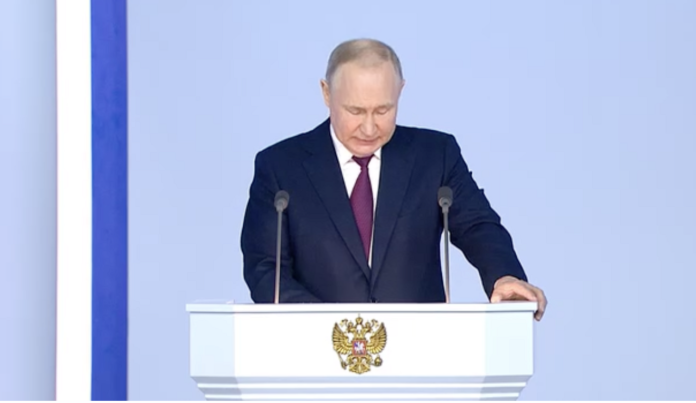
The Kremlin flatly denied Trump’s assertion that Russia is already conducting secret nuclear tests. President Vladimir Putin and Foreign Minister Sergey Lavrov both stated that Russia will only resume nuclear testing if the United States does so first.

Following Trump’s announcement, Putin instructed his Security Council and top officials to prepare proposals for Russia’s own potential nuclear tests to ensure it can respond immediately if a US detonation occurs. Kremling spokesman Dmitry Peskov emphasized that Russia is obliged to do so in order to maintain parity, calling nuclear balance the core of global security.

Peskov clarified that recent trials of the Burevestnik cruise missile and Poseidon underwater drone were tests of nuclear-powered delivery systems, not explosive nuclear warhead tests.

China’s response

Chinese Foreign Ministry spokeswoman Mao Ning and spokesperson Guo Jiakun flatly rejected Trump’s allegations that China has been conducting secret underground nuclear tests. Beijing reiterated its long-standing no first use nuclear policy and maintained that it has strictly adhered to the voluntary moratorium on nuclear testing since its last explosive test in 1996.

China urged the United States to earnestly abide by the Comprehensive Nuclear-Test-Ban Treaty and take concrete actions to safeguard global strategic balance rather than triggering a new arms race.

UN warns of global instability

The United Nations responded with deep concern, warning that resuming nuclear tests would jeopardize global stability and dismantle decades of progress in arms control. The UN views the US moratorium as a cornerstone of the Nuclear Non-Proliferation Treaty.

Experts at the UN fear that if the US conducts even a demonstration test, it will give other nations including Russia, China, and North Korea the political cover to follow suit, effectively ending the era of nuclear restraint.

Why it matters

Trump’s order marks the most significant shift in US nuclear policy in over three decades and risks reigniting a global arms race. The move has drawn sharp criticism from arms control advocates while raising questions about whether the order is a genuine preparation for testing or a negotiating tactic aimed at pressuring rivals into new disarmament talks.
youtube placeholder image


Read more:
Russia’s final break from nuclear treaty
2025 Russia–United States Summit
Russia launches nuclear-capable missile in strike

Key widely reported facts from verified sources including Reuters, CNN, Al Jazeera, BBC, The Guardian, NBC News, France 24, CBS News

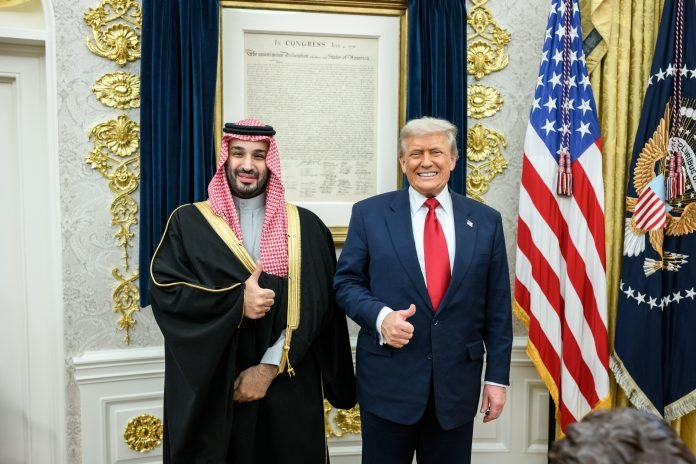
US and Saudi Arabia sign historic 30-year nuclear deal

From a strategic perspective, the agreement effectively blocks competitors like China and Russia from securing a nuclear foothold in the region.
Read more

Norway joins France’s nuclear umbrella as ninth member

Norway has become the ninth country to join France’s “Forward Deterrence” initiative, as part of a growing European effort to strengthen regional security.
Read more

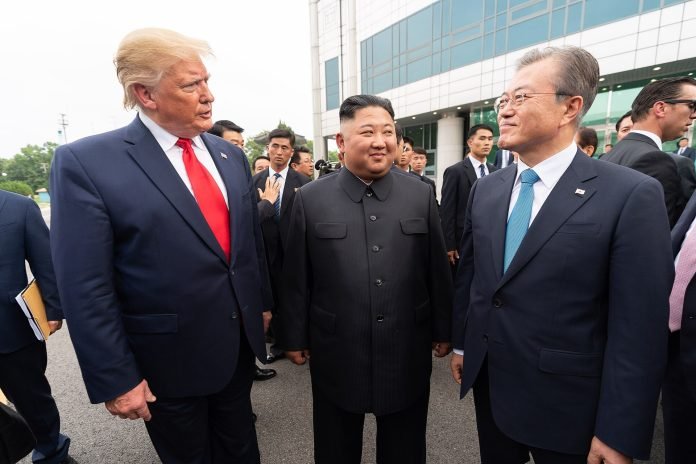
Kim Jong Un re-elected and uses Iran war to justify nuclear weapons program

Outside observers typically characterize North Korean elections as "show elections" designed to project a veneer of democratic legitimacy.
Read more

North Korea tests missiles following US-South Korea annual “Freedom Shield” drill

Kim Yo-jong had warned of "unimaginably terrible consequences" labeling the U.S-South Korea drills as provocative war rehearsals.
Read more

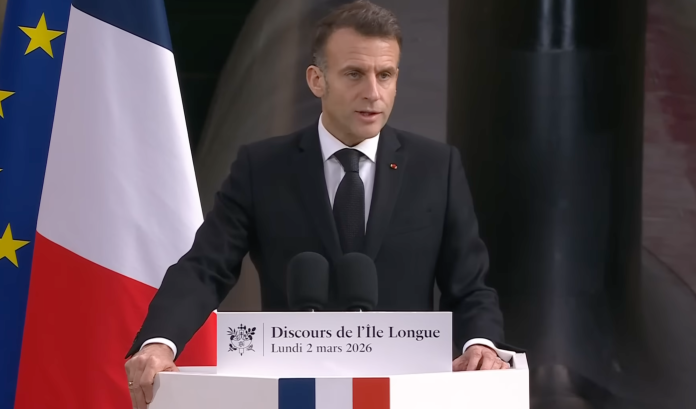
France extends nuclear umbrella to Europe in major strategic shift

Macron unveils France's new nuclear doctrine, extending a "forward deterrence" umbrella to European allies while expanding its stockpile.
Read more

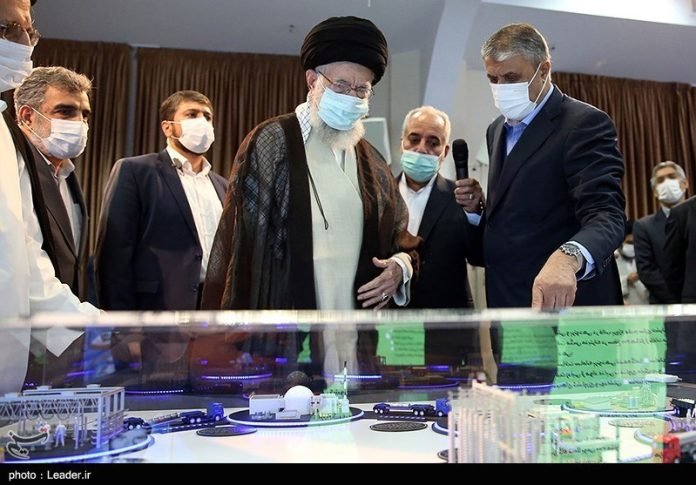
Why did US-Iran nuclear talks fail?

The discussions ultimately failed to bridge fundamental disagreements over uranium enrichment and ballistic missiles.
Read more

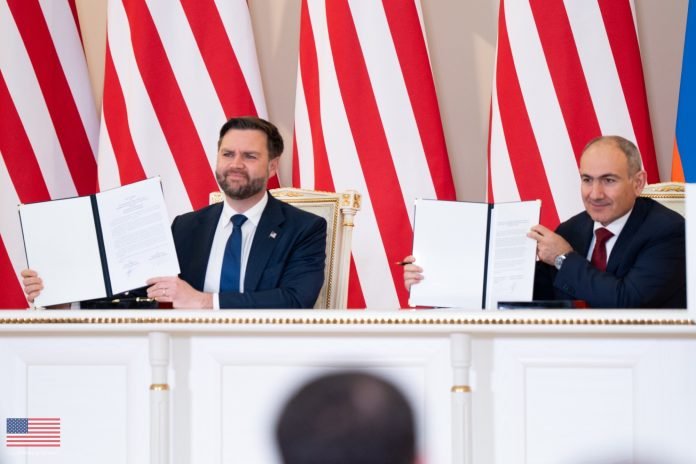
US and Armenia sign landmark nuclear cooperation deal

On Feb 9, 2026, US Vice President J.D. Vance and Armenian Prime Minister Nikol Pashinyan signed a landmark civil nuclear cooperation agreement.
Read more

Russia signals restraint after New START expires; Trump wants new pact

Trump has pushed for any new deal to include China alongside Russia, viewing Beijing's growing arsenal as a key factor.
Read more

Russia launches nuclear-capable missile in strike

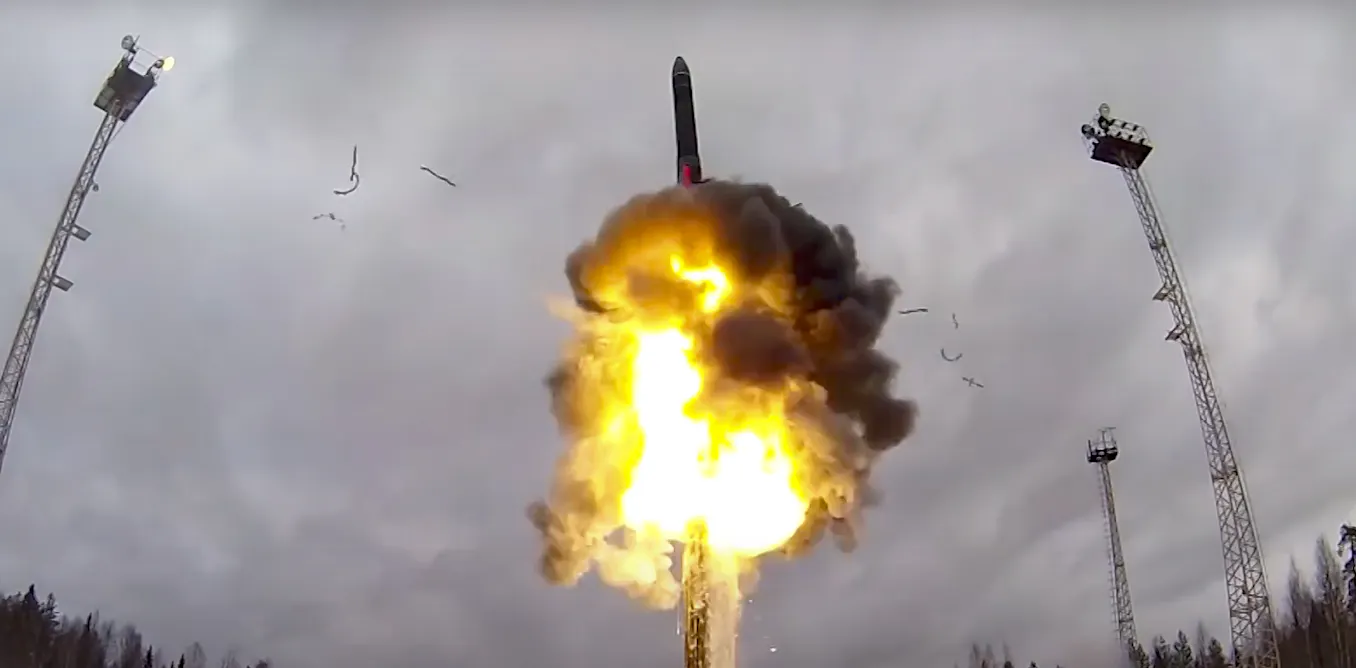
In early January 2026, Russia conducted its second-ever combat launch of the Oreshnik, a nuclear-capable, hypersonic intermediate-range ballistic missile, targeting the western Ukrainian city of Lviv. 
Read more

Russia’s final break from nuclear treaty

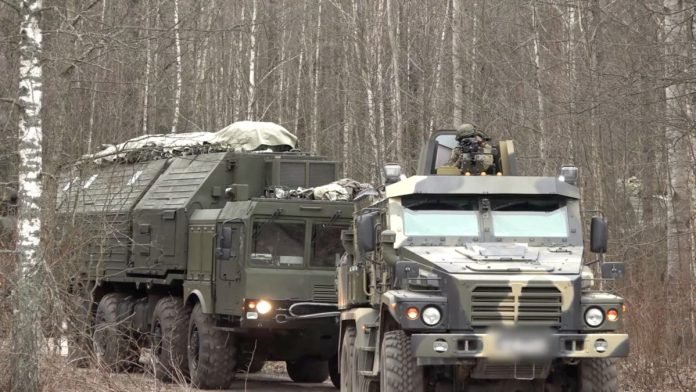
Russia officially declared that it would no longer abide by its self-imposed moratorium on the deployment of intermediate-range missiles, marking its final break from the INF Treaty.
Read more
Timeline

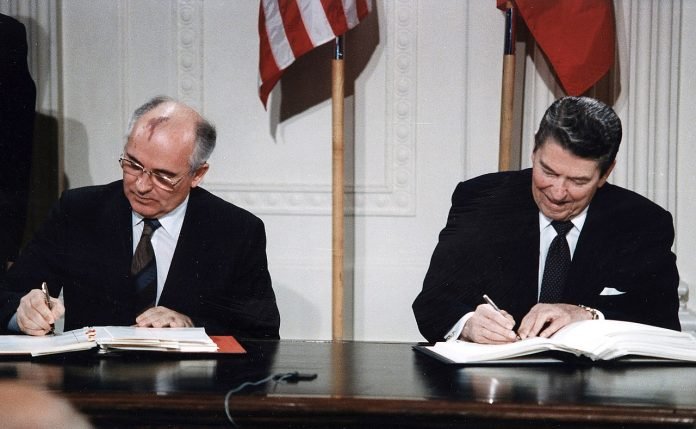
Dec 1987: The Intermediate-Range Nuclear Forces (INF) Treaty is signed, banning ground-launched missiles with ranges between 500 and 5,500 km.

Aug 2, 2019: The United States formally withdraws from the INF Treaty, citing Russian non-compliance.

Aug 2019 – 2020: Russia declares a unilateral moratorium, promising not to deploy these missiles as long as the U.S. does not deploy similar systems in Europe or Asia.

Feb 2023: Russia suspends its participation in New START, the last remaining major nuclear arms control treaty, though it initially pledges to follow numerical warhead limits.

July 24, 2025: Tensions escalate as the U.S. repositions nuclear submarines and confirms plans for the deployment of Typhon and Dark Eagle missiles in Germany by 2026.

Aug 4–5, 2025: Russia officially lifts its self-imposed ban. The Foreign Ministry states it “no longer considers itself limited by anything” regarding intermediate-range missile deployment.

Sep 2025: President Putin proposes a one-year mutual extension of New START limits beyond their 2026 expiration.

Nov 2025: Russia test-fires the Oreshnik intermediate-range ballistic missile in combat against Ukraine, signaling the active service of previously banned missile classes.

Jan 2026: New START expires on Feb 5, 2026, marking the end of the final legal framework limiting the world’s two largest nuclear arsenals.

Opinion & Analysis

You may also be interested in

LEAVE A REPLY

Please enter your comment!
Please enter your name here