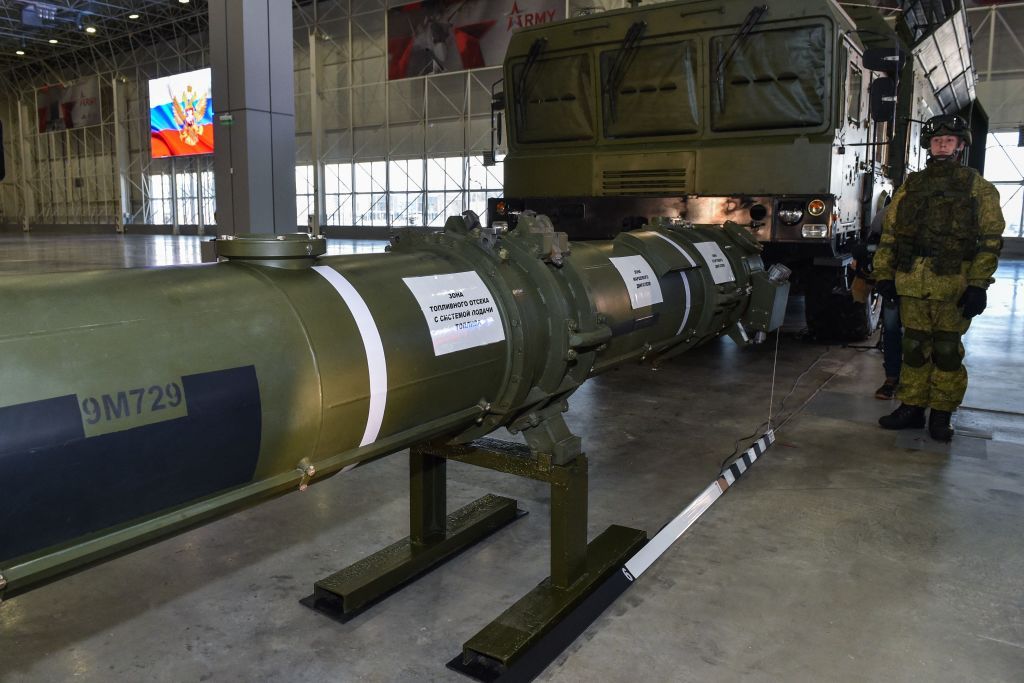
Russia formally ended its self-imposed moratorium on deploying intermediate-range missiles in August 2025, signalling a further escalation in strategic tensions with the United States and a definitive break from Cold War-era arms control norms.
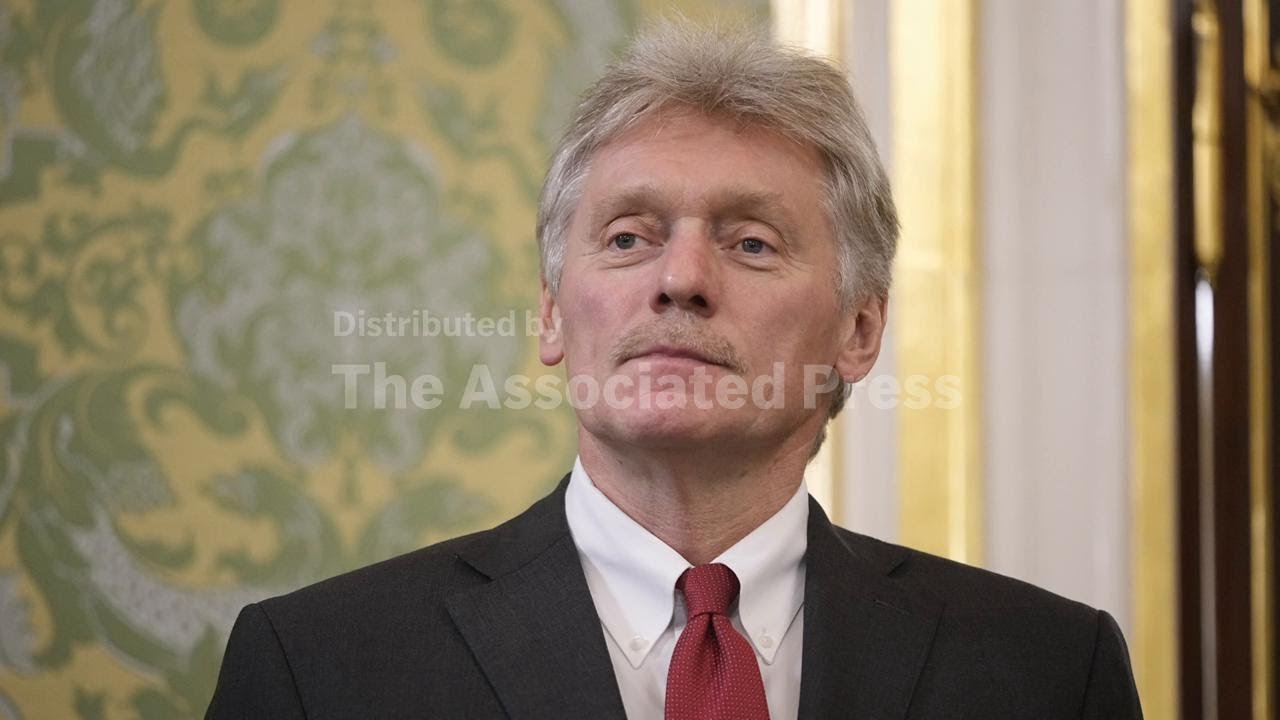
On 4 August 2025, Russia’s Foreign Ministry announced that it would no longer adhere to its voluntary ban on deploying ground-launched intermediate-range missiles, citing deteriorating security conditions.
The move effectively closes the chapter on the 1987 Intermediate-Range Nuclear Forces (INF) Treaty, which had prohibited missiles with ranges between 500 and 5,500 kilometres for over three decades.
Moscow said the “conditions for maintaining its unilateral moratorium have ceased to exist,” pointing to what it described as growing direct threats to its national security.
Russian officials specifically referenced US deployments of Typhon missile systems in the Philippines and plans to station “Dark Eagle” missiles in Germany as key triggers for the decision.
The announcement came amid heightened tensions between Washington and Moscow, including recent US military repositioning in response to increasingly confrontational rhetoric from Russian officials.
What led to this
The INF Treaty formally collapsed in 2019 after the United States withdrew, accusing Russia of violating the agreement through the development of prohibited missile systems. Russia denied the allegations but exited the treaty shortly after.
Despite the collapse, President Vladimir Putin had pledged that Russia would not deploy intermediate-range missiles unless the United States did so first, effectively maintaining a unilateral restraint for several years.
That position shifted in 2025 as US deployments in Europe and Asia moved forward, prompting Moscow to declare that continued adherence to the moratorium was no longer viable.
Broader implications
The end of the moratorium removes one of the last remaining informal constraints on a class of weapons once central to Cold War nuclear strategy.
Analysts warn the development increases the risk of a renewed arms race, particularly in Europe and the Indo-Pacific, where both sides may now expand missile deployments without treaty-based limitations.
Read more:
2025 Russia–United States Summit
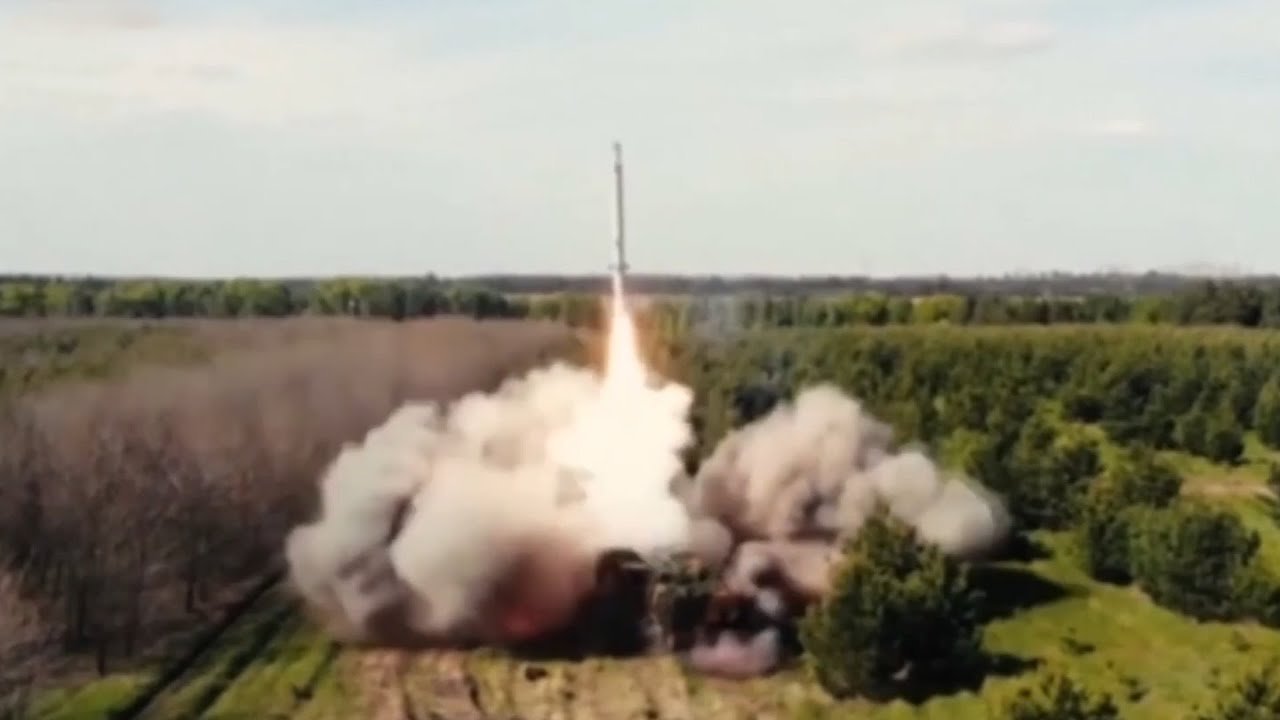
Russia launches nuclear-capable missile in strike