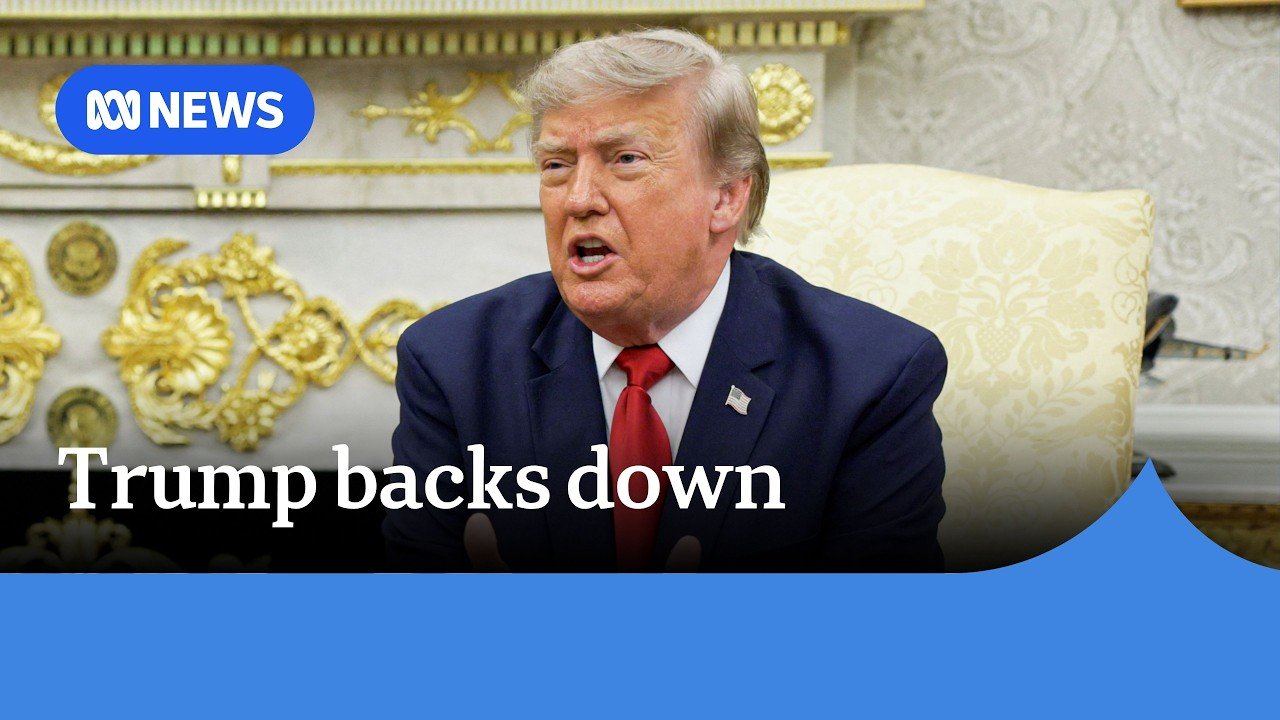


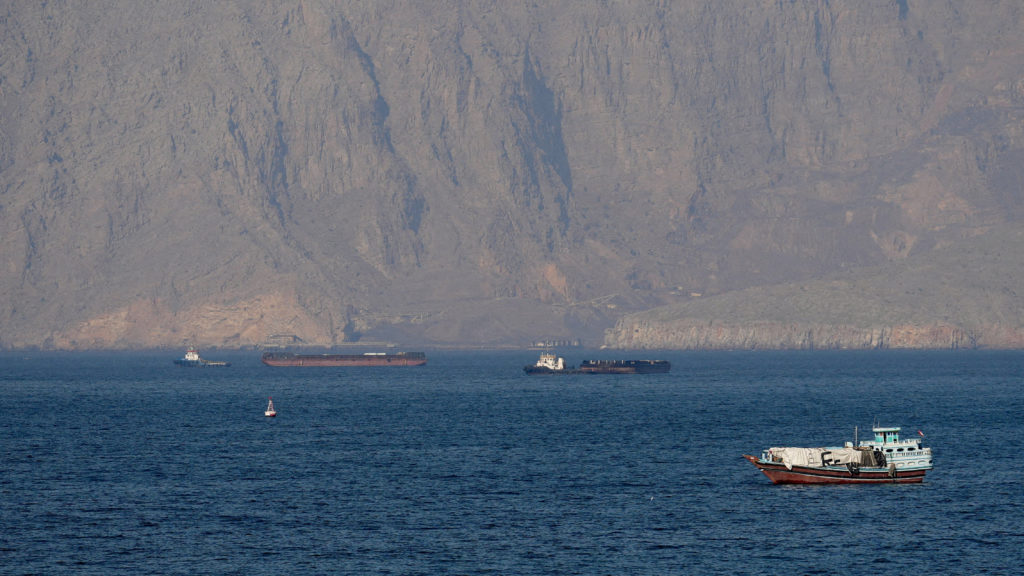
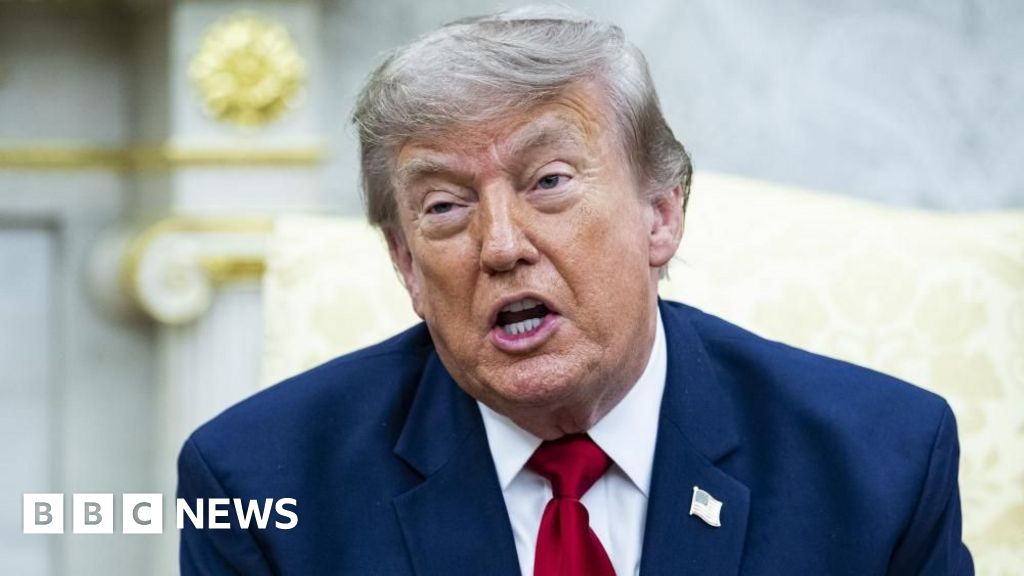
President Donald Trump has abandoned his 20% “United States Reimbursement Fee” on cargo transiting the Strait of Hormuz, replacing it with promised “massive” trade and investment deals from Gulf states following intense regional lobbying.
The reversal came even as the US tightened a naval blockade on Iranian ports and intensified airstrikes inside Iran, sending oil prices to a one‑month high and pushing commercial transits through the chokepoint to their lowest level in weeks.
The policy U‑turn: from 20% toll to Gulf investment pledges
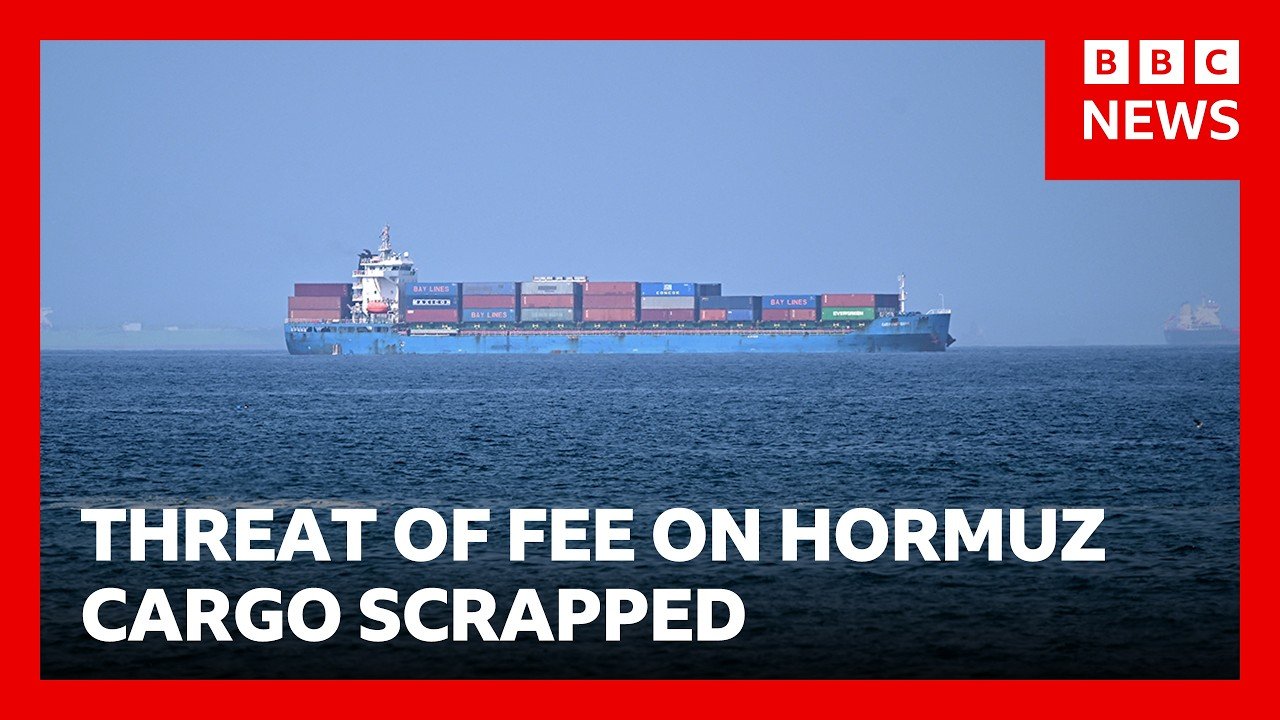
On 13 July 2026, Trump floated a 20% fee on cargo moving through the Strait of Hormuz, framing it as compensation for the US acting as “guardian” of the waterway amid the escalating conflict with Iran.
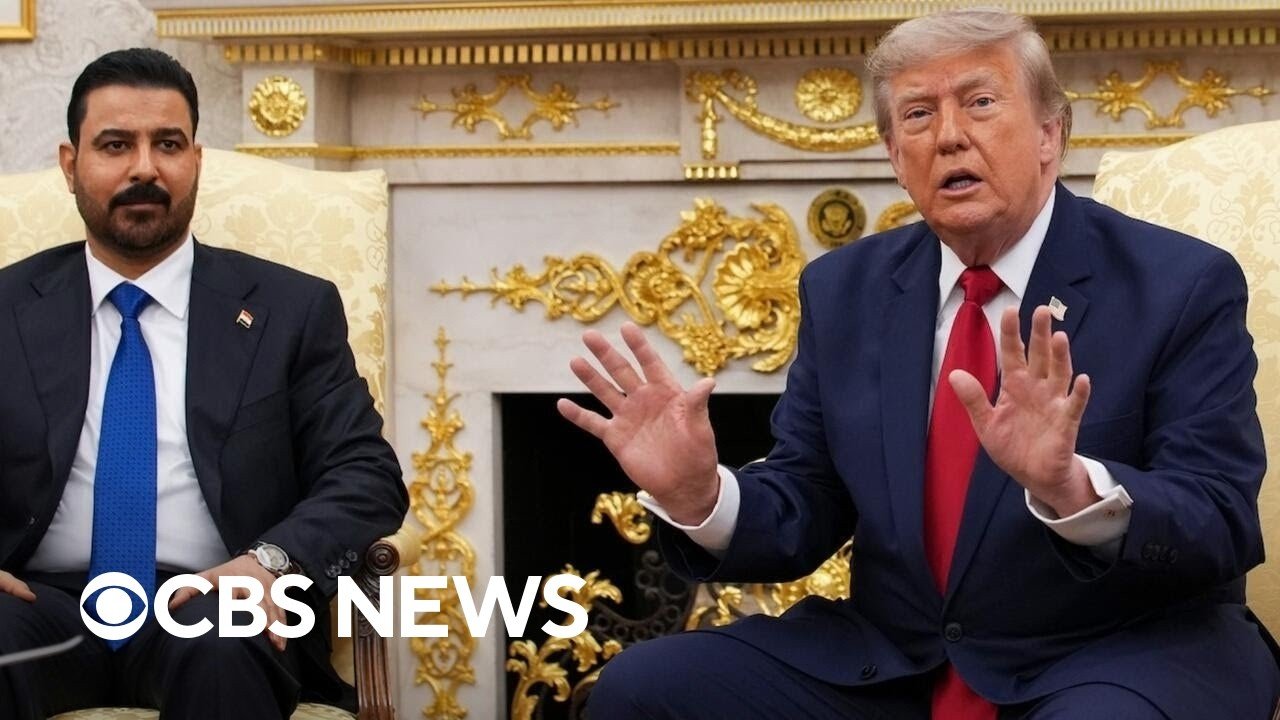
One day later, Trump posted on Truth Social that he was dropping the fee after “highly productive conversations with Middle East leadership,” and would instead pursue “Trade and Investment Deals that the various Gulf States will be making into the United States.
Trump said investments would be “MASSIVE” and “extraordinarily good for them, and their future,” but provided no details on which countries, sectors, or dollar values were involved.
In remarks to reporters, Trump said he ultimately did not believe any nation should charge mandatory fees on international straits, even as he had initially justified the toll as a “reimbursement” for US security efforts.
Legal and diplomatic backlash to the toll idea
The initial fee proposal triggered immediate pushback on legal and diplomatic fronts. The UN’s shipping agency stated there was “zero legal basis” for imposing mandatory transit tolls on natural international waterways like Hormuz, underscoring that the strait is governed by transit‑passage rights under international law.
Trump cited calls from “kings and emirs” across the Gulf — countries including Saudi Arabia, the UAE, Qatar, Bahrain and Kuwait — as decisive in changing his approach, with leaders reportedly offering direct US investment as an alternative to paying per‑vessel fees.
War footing: blockade, airstrikes and Iranian retaliation
Even as the fee plan was scrapped, the military campaign against Iran intensified:
- Naval blockade reinstated: The US reimposed a full naval blockade on vessels bound to or from Iranian ports and coastal areas, effective 2000 GMT on 14 July, after lifting it in June under a short‑lived memorandum of understanding.
- Sixth night of major strikes: US Central Command confirmed a sixth consecutive night of large‑scale airstrikes into southern Iran, targeting coastal defenses, cruise‑missile storage, air‑defense sites and, according to Iranian state media, civilian infrastructure including bridges, an airport and a train station.
- Iranian counter‑attacks: Iran has responded with missile and drone strikes against US assets and allies in the region, including attacks directed at the US Fifth Fleet footprint in Bahrain and prompting defensive responses from Kuwait and Qatar.
- Maritime interdictions: US forces have boarded vessels in the Gulf of Oman and disabled an empty oil tanker that ignored warnings while heading toward Iran, signaling an active enforcement posture around Iranian maritime traffic.
Shipping and energy markets under strain
Despite Trump’s declaration that the Strait of Hormuz is “open” to non‑Iranian traffic, market and shipping data tell a different story:
- Transits collapse: Maritime intelligence reports show commercial shipping through the strait has slowed to a crawl, with daily transits far below the pre‑conflict average of about 138 passages a day as carriers price in war risk and route disruptions.
- Oil price spike: Brent crude climbed to its highest level in four weeks, above $86 a barrel, while US WTI topped $79, as traders reacted to the reinstated blockade and renewed US–Iran strikes.
- Supply context: Analysts note that while the market initially feared a loss of up to 20 million barrels per day if Hormuz were effectively closed, alternative routes, covert crossings, emergency releases and extra supply from other producers have so far cushioned the shock—though continued disruption keeps upside risks alive.
Trump’s ultimatum and the diplomacy window
In a 14 July Fox News interview, Trump warned that “next week” the US would begin hitting Iran’s power plants and bridges unless Tehran returned to negotiations, echoing earlier threats that were later delayed or softened.
Alongside the fighting, Iran released a detained American citizen charged with spying, described by officials as a goodwill move, even as hardline elements within the IRGC continue to push for a harder line.
The White House maintains it remains open to diplomacy, but analysts and regional officials express growing skepticism that talks can gain traction while large‑scale strikes and a naval blockade are in place.
What’s still unclear (and worth watching)
Several key details remain unreported or ambiguous in available coverage:
- Which Gulf states, how much, and in what sectors? Trump has not named the countries behind the promised investment deals, nor specified amounts, timeframes, or whether commitments are binding.
- Legal mechanics of the blockade: While the US cites security and enforcement of sanctions, the precise legal justification for boarding and disabling commercial tankers in the Gulf of Oman has not been fully laid out in public statements.
- Duration and triggers for hitting power/bridges: Trump’s “next week” threat lacks a specific date or clear conditions that would call it off, raising questions about whether it is a negotiating lever or a prelude to a new escalation phase.