Behind enemy lines: Epic rescue of US F-15E Strike Eagle crew

Jump to Timeline

On April 3, 2026, an F-15E Strike Eagle (call sign “Dude 44”) was shot down by Iranian air defenses during a combat mission over southwestern Iran. The aircraft was reportedly struck by a shoulder-fired, heat-seeking missile, resulting in its complete destruction.

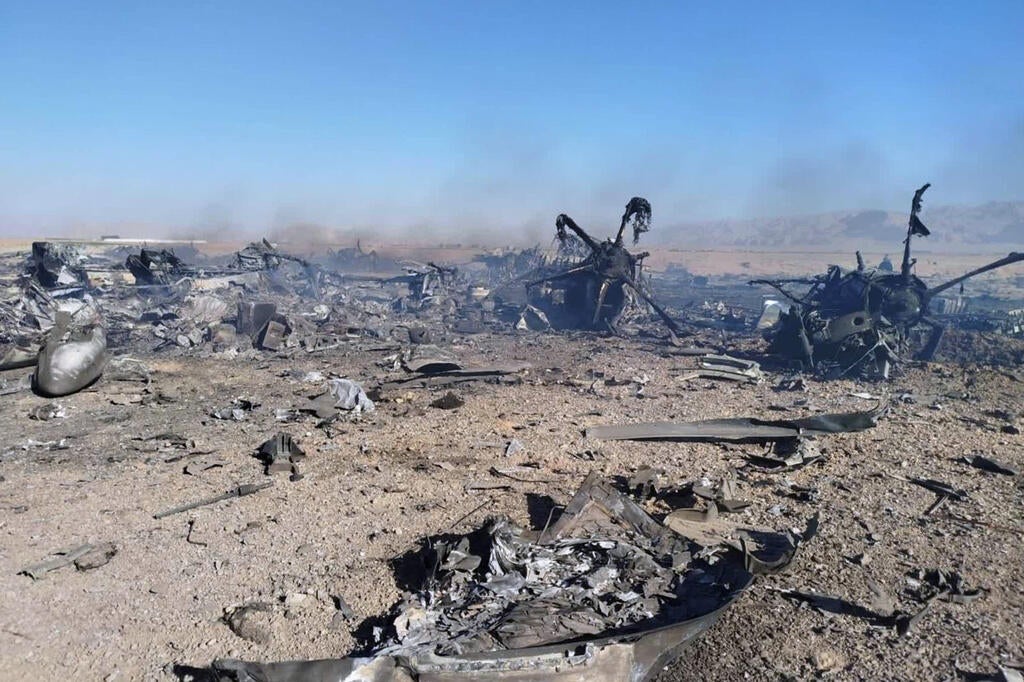
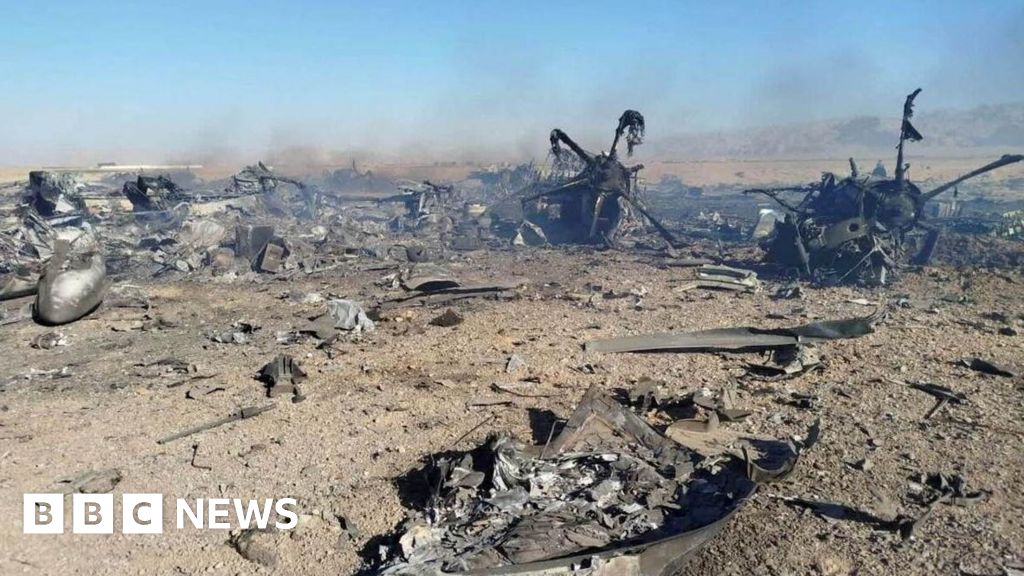
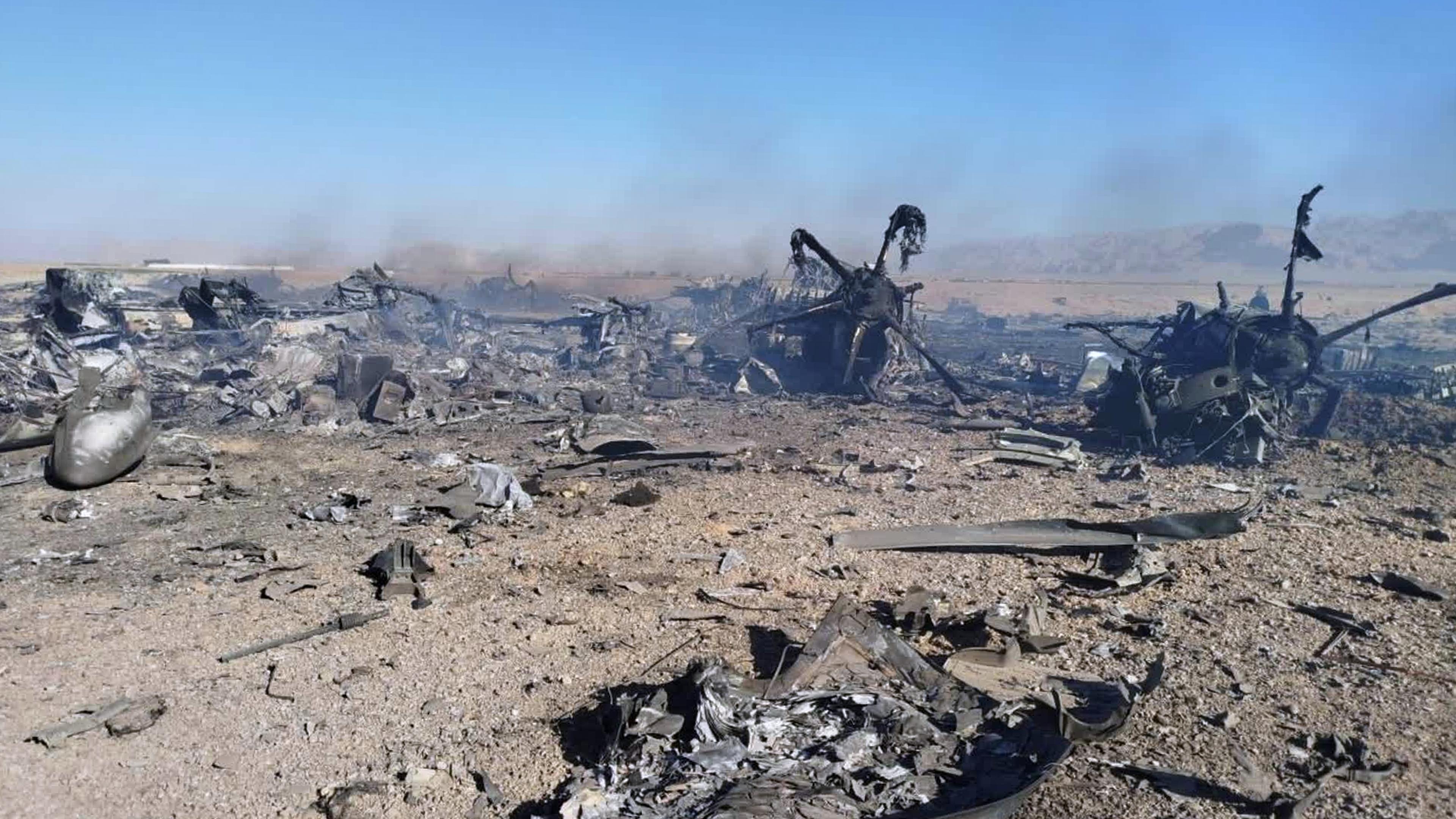
Iranian state media later released images and video showing wreckage scattered across a remote area of Isfahan Province. Among the identifiable debris were a wingtip and a vertical stabilizer bearing markings of the 494th Fighter Squadron, based at RAF Lakenheath in the United Kingdom.

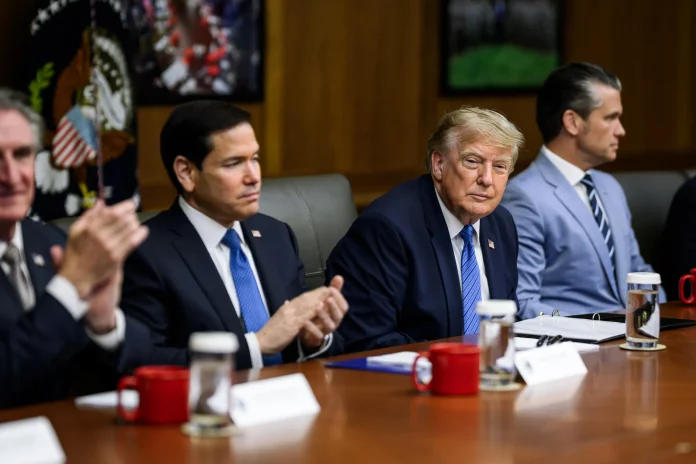
The US military subsequently executed a high-risk combat search and rescue (CSAR) mission inside Iranian territory to recover the two crew members. President Trump described the operation as one of the “most daring” in American history. The CSAR unfolded in two distinct phases — one for the pilot and another for the weapons systems officer (WSO) — with teams operating deep inside hostile territory.

The pilot was rescued within hours of the crash.

The WSO (Weapons Systems Officer), identified as an Air Force colonel, evaded capture for more than 48 hours while wounded. He concealed himself in a mountain crevice on a 7,000-foot ridge in Kohgiluyeh and Boyer-Ahmad Province, where he reportedly treated his own injuries and provided intelligence on nearby Iranian positions to guide rescuers.

Although no American lives were lost, several personnel, including helicopter crew members and the rescued airman, sustained injuries during firefights and the final extraction.

How was the mission carried out?

Reports from BBC News and The New York Times indicate that the successful rescue ended one of the most perilous episodes of the ongoing five-week conflict in the region.

The operation involved 155 aircraft, including 4 bombers, 64 fighters, 48 refuelling tankers, and 13 rescue aircraft. Elite forces from Army Delta Force and Navy SEAL Team Six were deployed for the ground extraction.

The CIA executed a wide-scale deception campaign, spreading false information inside Iran and deploying aircraft to seven different locations simultaneously to confuse Iranian search teams.

Two MC-130J transport aircraft suffered mechanical failure or were damaged on the ground in Iran. US forces were forced to blow up the disabled planes and several helicopters to prevent sensitive equipment from falling into enemy hands.

How did the world react?

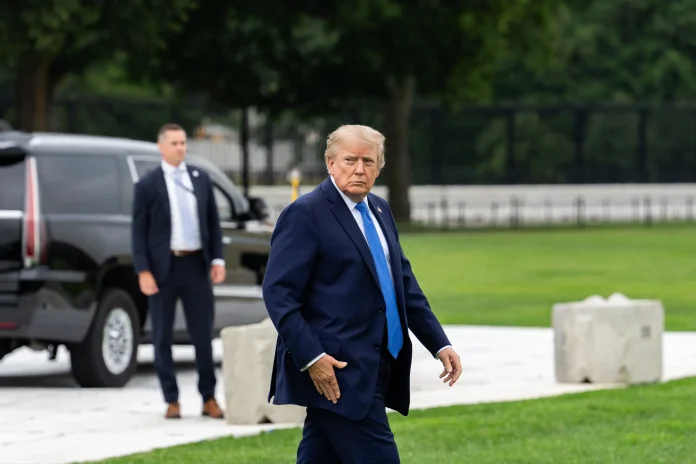
US President Trump hailed the mission as “one of the most daring” in history. He praised the “genius” of the plan and emphasized that “God was watching us,” framing the recovery of both airmen as a massive victory for American resolve. He reacted with “fury” toward media leakers, specifically targeting those who reported the second airman’s location while the mission was still live, calling for them to be jailed for “endangering the operation”.

Images of the rescued Air Force colonel reunited with his family became a powerful symbol of national relief, boosting domestic support for the military’s capabilities.

Tehran characterized the mission as a “humiliating disaster” for the US They focused heavily on the destruction of the MC-130J transport planes and helicopters, claiming American forces were forced to flee while burning their own equipment. Iranian officials accused the US of using the rescue as a “smokescreen” to steal enriched uranium from Isfahan, a claim the Pentagon flatly denied.

Leaders from the UK, Germany, and Italy expressed relief that the airmen were safe but used the event to urgently call for a ceasefire, fearing that such high-stakes incursions could trigger a full-scale regional war.

Russia dismissed the rescue as a “propaganda stunt” and argued that the downing of the F-15 proved Iranian air defenses were still a formidable threat despite weeks of US bombing.

Military analysts at The Guardian and The New York Times noted a “bittersweet” reality: while the personnel were saved, the material cost—losing an F-15E, an A-10, and multiple transport aircraft—revealed significant vulnerabilities in operating deep within Iranian territory.
youtube placeholder image

Key widely reported facts from verified sources including NYTimes, BBC, The Washington Post, WSJ, Reuters, Financial Times, NBC News

US launches “Operation Economic Outcast,” widening Iran sanctions to five new sectors

The US launched Operation Economic Outcast against Iran that expands secondary sanctions risk across five critical sectors and targets nearly 60 entities.
Read more

Trump declares ‘Economic D-Day’ on Iran in unprecedented sanctions escalation

US President Donald Trump has launched what he calls an “Economic D-Day” against Iran, vowing the “most crushing economic operation ever taken against any country”.
Read more

Trump threatens to bomb Oman as US-Iran ceasefire collapses

Trump posted an AI-generated image on his Truth Social platform labeling the Strait of Hormuz as "NEW US TERRITORY."
Read more

US-Iran peace deal collapses as 60-day deadline expires

Both Washington and Tehran have ruled out extending the deal, with President Donald Trump declaring that Iran must "put up the white flag of surrender".
Read more

Trump and Iran trade claims over Strait of Hormuz as shipping traffic collapses

Washington says its naval blockade has secured the strategic waterway while Tehran insists no vessel may pass without its approval.
Read more

“Deeply Duplicitous”: Trump issues ‘last chance’ warning to Iran

After Iran denied holding talks, Trump publicly lashed out, calling the Iranian leadership "unbelievably duplicitous" and insists talks are ongoing.
Read more

Trump meets Zelenskyy and Netanyahu before Lindsey Graham funeral

The overlap highlighted Graham’s standing as a longtime foreign-policy hawk, bringing together leaders tied to two of the world’s most consequential conflicts.
Read more

House votes to curb Trump’s Iran war powers, but Senate blocks the move

Trump framed the war powers vote as an attack on ongoing diplomacy, while critics said Congress was overdue to reassert its constitutional role over war-making decisions.
Read more

Trump threatens major strike as Red Sea conflict widens

Trump signaled that he sees little room for compromise at this stage, saying Iran is “not ready” and has not “received enough pain yet”.
Read more

Former Iranian President rejects allegations of Israeli Plot

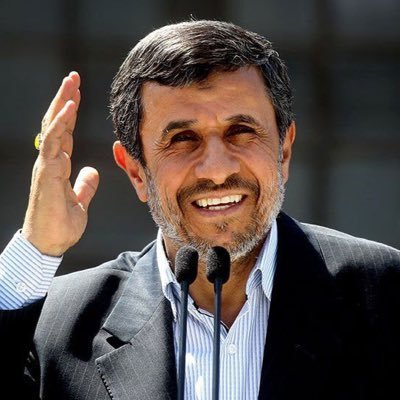
Former Iranian President Mahmoud Ahmadinejad denied allegations that he was recruited by Israeli intelligence as part of a regime-change plot.
Read more
Timeline

Apr 3: An F-15E Strike Eagle (call sign “Dude 44”) from the 494th Fighter Squadron is shot down by an Iranian shoulder-fired missile over southwestern Iran.

The pilot (Dude 44A) is successfully rescued by two U.S. helicopters within 7 hours. During the extraction, one helicopter is hit by small arms fire, wounding crew members.

An A-10 Thunderbolt II providing air cover for the rescue is hit by Iranian fire; the pilot flies the damaged plane out of Iranian airspace before ejecting and being rescued.

The weapons systems officer (WSO, Dude 44B) lands deep in the Zagros Mountains, roughly 200 miles inside Iran, and begins evading capture.

Apr 4: The WSO, a colonel, survives in a mountain crevice at 7,000 feet, treating his own injuries while dodging IRGC search teams and local nomadic tribesmen.

The CIA launches a deception campaign, spreading false reports within Iran that the airman had already been found to divert Iranian forces.

The U.S. mobilizes a massive fleet of nearly 176 aircraft, including fighters, tankers, and bombers, to secure the airspace and block Iranian convoys.

Apr 5: U.S. Special Operations forces (including SEAL Team Six) conduct a final high-risk extraction.

During the extraction, two MC-130J transport planes become stuck in mud or suffer mechanical failure. U.S. forces blow them up along with several helicopters to prevent sensitive tech from being captured.

The WSO is safely transported to Kuwait for medical treatment.

Apr 6: President Trump holds a White House briefing, calling the mission “very historic” and praising the “genius” of the joint military and intelligence response.

Apr 8: The Pentagon announces a ceasefire with Iran, ending the 39-day conflict shortly after the rescue’s completion.

Opinion & Analysis

You may also be interested in

LEAVE A REPLY

Please enter your comment!
Please enter your name here