Russia launches nuclear-capable missile in strike

Jump to Timeline

In early January 2026, Russia carried out its second known combat launch of the Oreshnik, a nuclear-capable hypersonic intermediate-range ballistic missile, striking western Ukraine as tensions with the West deepened and peace efforts showed signs of movement.

Russia’s Defense Ministry said on 9 January 2026 that it had fired the missile at targets in western Ukraine, including drone-production and energy infrastructure. The strike was widely seen as a warning signal from President Vladimir Putin at a moment when US-led diplomatic efforts were gaining traction. It was only the second time Moscow had used the Oreshnik in the war.

Alleged drone strike on Putin’s residence

Moscow said the attack was retaliation for an alleged Ukrainian drone strike on one of Putin’s residences in late December 2025. Kyiv denied the accusation, and US intelligence reportedly did not support Russia’s claim.

Around the same time, Russia said it had deployed the missile system in Belarus, with President Alexander Lukashenko saying up to 10 such systems could eventually be stationed there, sharply cutting warning times for European capitals.

Deadly simultaneous attacks

The missile struck the Lviv State Aviation Repair Plant, about 40 miles from the Polish border, a sensitive NATO frontier. Ukrainian assessments suggested the warhead used in the strike was inert, indicating the attack was intended more as a political message than a destructive battlefield strike. Mayor Andriy Sadovyi said a critical infrastructure site had been hit but reported no casualties or injuries in Lviv.

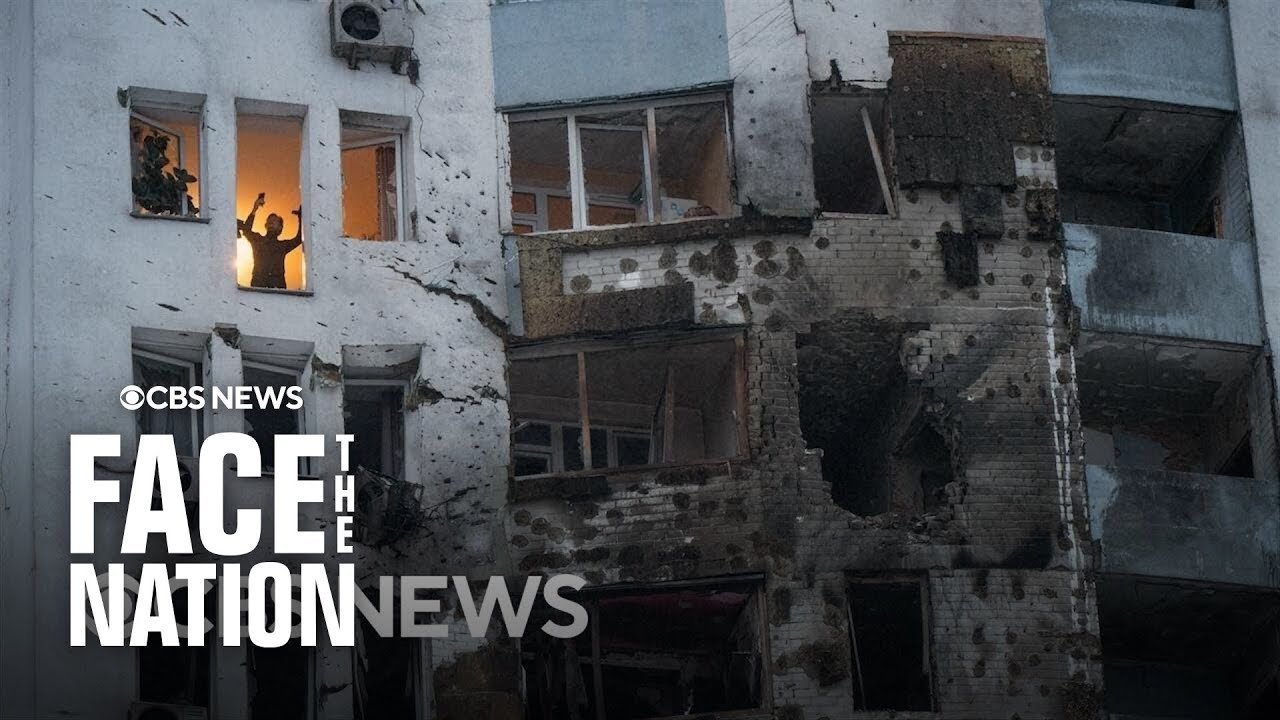
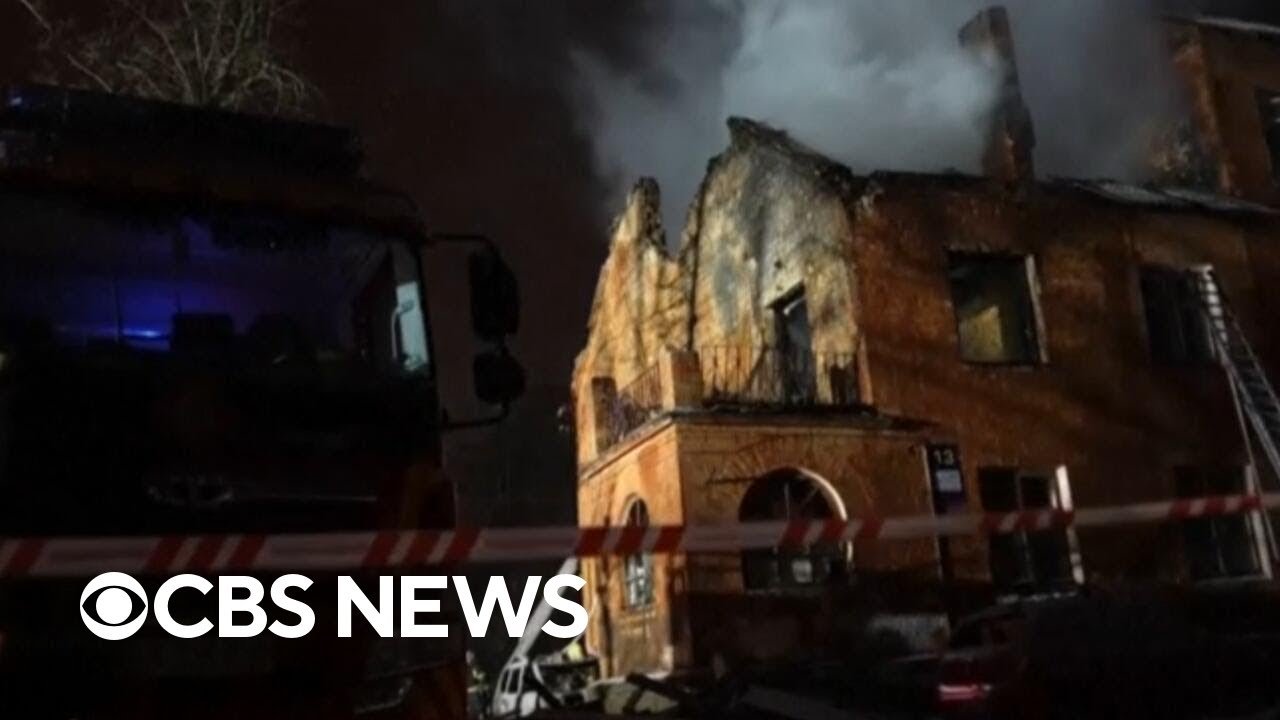
The Oreshnik strike was part of a much broader overnight barrage that included more than 240 drones and missiles. In Kyiv, at least four people were killed and more than 20 injured. Among the dead was emergency medic Serhiy Smoliak, who was reportedly killed in a second “double-tap” strike while helping survivors.

Ukraine’s reaction

Ukraine’s Foreign Minister Andrii Sybiha called the attack a grave threat to European security and dismissed Russia’s explanation as fantasy. President Volodymyr Zelenskyy said the world needed a clear response, arguing that Russia should face consequences every time it chooses destruction over diplomacy.

Global condemnation

The strike drew swift condemnation from major powers. At an emergency UN Security Council meeting, US Deputy Ambassador Tammy Bruce called it a dangerous and inexplicable escalation, while Britain’s acting ambassador James Kariuki described the launch as reckless and warned of the risk of miscalculation. Britain, France, and Germany issued a joint statement calling the attack escalatory and unacceptable, and EU foreign policy chief Kaja Kallas said it showed Putin did not want peace. NATO Secretary General Mark Rutte said the alliance would not be intimidated.

The attack also sharpened debate in Washington over tougher sanctions. President Donald Trump signaled support for a hard-hitting sanctions package aimed at countries that buy Russian oil, including China and India. The proposed legislation, known as the Sanctioning Russia Act, would give him authority to impose tariffs of up to 500 percent on imports from countries doing business with Russia’s energy sector.

The bigger context

The strike came after Russia formally said in August 2025 that it no longer considered itself bound by the self-imposed moratorium on intermediate-range missiles. It also followed Trump’s October order for the US military to prepare to resume nuclear weapons testing after a 33-year pause, underscoring the wider deterioration in strategic stability.
youtube placeholder image

Key widely reported facts from verified sources including NYTimes, The Guardian, Reuters, The Washington Post, Euronews, ABC News, NBC News, Al Jazeera, PBS

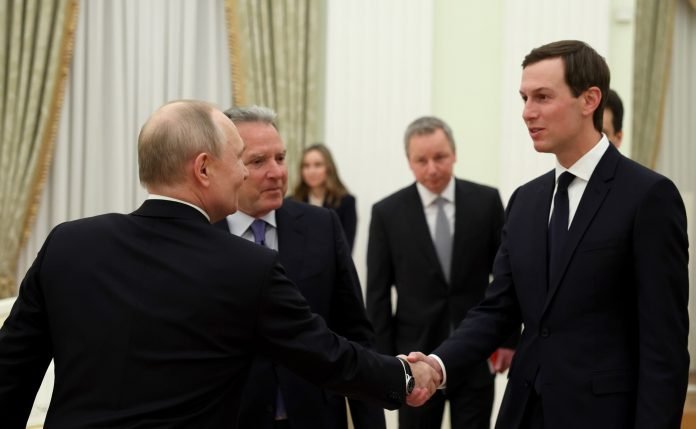
Trump and Putin agree to direct US–Russia talks after envoy shuttle diplomacy

Trump and Putin agree to direct US–Russia talks after envoys shuttle between Moscow and Kyiv; peace plan stalls on territory and security guarantees.
Read more

Trump meets Zelenskyy and Netanyahu before Lindsey Graham funeral

The overlap highlighted Graham’s standing as a longtime foreign-policy hawk, bringing together leaders tied to two of the world’s most consequential conflicts.
Read more

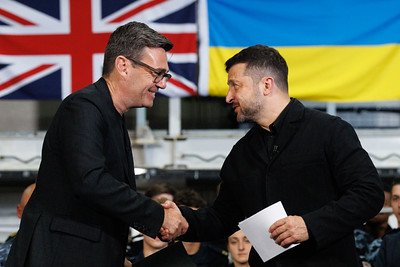
Zelenskyy meets Burnham in Portsmouth as UK doubles down on Ukraine support

PM Burnham used his first meeting with President Zelenskyy to reaffirm what Downing Street called “unwavering” support for Ukraine.
Read more

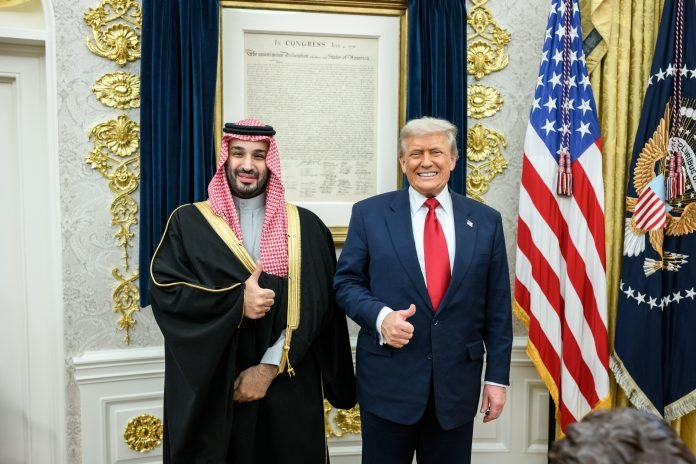
US and Saudi Arabia sign historic 30-year nuclear deal

From a strategic perspective, the agreement effectively blocks competitors like China and Russia from securing a nuclear foothold in the region.
Read more

Zelenskyy reshuffles government to turn battlefield momentum into political leverage

Supporters argue the shake-up is a necessary wartime reset that brings “new energy".
Read more

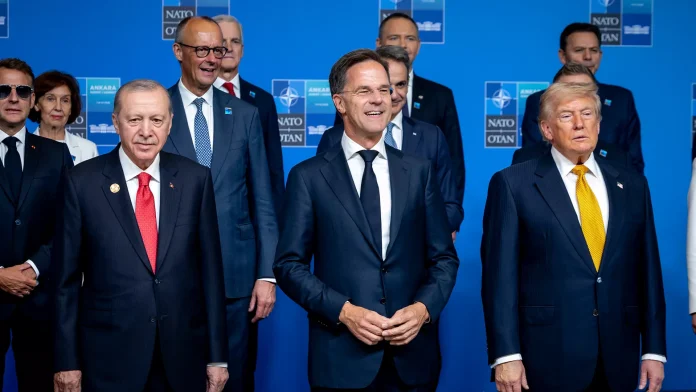
NATO’s Ankara Declaration signals shift to wartime readiness, massive spending, and AI-driven defense

At the center of the declaration is a clear shift toward what officials increasingly describe as a "wartime industrial base".
Read more

IOC eases Russian suspension, but key Olympic restrictions remain

The decision clears a potential route for Russian athletes to return to international competition and qualify for the Los Angeles 2028 Olympic Games.
Read more

Russia turns to fuel imports as wartime strikes trigger nationwide gasoline shortage

Russia is facing its most severe fuel disruption in years, with the Kremlin now confirming it is in active discussions to import gasoline.
Read more

Norway joins France’s nuclear umbrella as ninth member

Norway has become the ninth country to join France’s “Forward Deterrence” initiative, as part of a growing European effort to strengthen regional security.
Read more

Kim Jong Un re-elected and uses Iran war to justify nuclear weapons program

Outside observers typically characterize North Korean elections as "show elections" designed to project a veneer of democratic legitimacy.
Read more
Timeline

Aug 4, 2025: Russia officially announces it will no longer abide by the Intermediate-Range Nuclear Forces (INF) Treaty.

Aug 15: President Trump and President Putin meet in Anchorage, Alaska, to discuss Ukraine, but no formal progress is made on nuclear extensions.

Aug 23: Russia announces plans to deploy the Oreshnik hypersonic missile system to Belarus by year-end.

Sep 2025: Putin proposes a one-year voluntary extension of New START limits; Trump calls it a “good idea,” but formal negotiations never follow.

Oct 31 to Nov 1: President Trump orders the immediate resumption of U.S. nuclear weapons testing after a 33-year moratorium, citing Russian and Chinese advances.

Dec 17: Putin confirms the Oreshnik system will enter combat duty by year-end; General Gerasimov confirms an Oreshnik-equipped brigade is formed in Belarus.

Dec 30: The Russian Ministry of Defense reports that Oreshnik missiles stationed in Belarus have officially entered combat duty.

Jan 8, 2026: Russia launches an Oreshnik missile strike on Lviv, Ukraine, marking the first time Lviv is hit by a ballistic missile in the conflict.

Jan 26: Deputy Chairperson Dmitry Medvedev reiterates Putin’s offer to informally adhere to New START limits for one more year, but only if the U.S. reciprocates.

Feb 5: The New START Treaty is set to expire, which would leave the U.S. and Russia without legally binding limits on strategic nuclear forces for the first time since the 1970s.

Opinion & Analysis

You may also be interested in

LEAVE A REPLY

Please enter your comment!
Please enter your name here